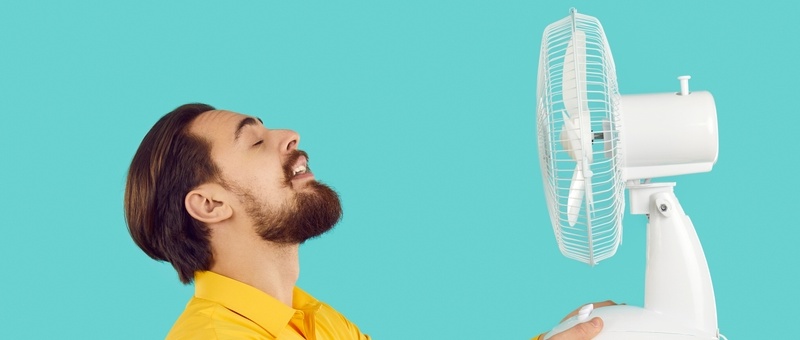
How to stay cool indoors this summer
Peer reviewed by Dr Colin Tidy, MRCGPLast updated by Victoria RawLast updated 1 Jul 2025
Meets Patient’s editorial guidelines
- DownloadDownload
- Share
- Language
- Discussion
- Audio Version
- Add to preferred sources on Google
The UK is not exactly renowned for its blazing hot summers, so most of us welcome with open arms a rise in mercury levels. Others find warmer weather uncomfortable and, for some people, the heat can even pose a health hazard.
Air conditioning is a luxury most of us don’t have, so it’s important to find ways to keep yourself and your home cool during summer – especially if you are more vulnerable to the ill-effects of the heat.
The problem with hot weather
When a heatwave strikes, there are several things to look out for. As you get warmer, your body produces more sweat to cool you down. If you don’t drink enough to replace the fluid and salts you’ve lost, you can soon overheat and become dehydrated.
Dehydration and dizziness
Dr Keith Hopcroft, a GP based in Chelmsford, Essex, UK explains that hot weather makes you sweat and flush, which can lead to dehydration and a drop in blood pressure.
He says: “This in turn may cause dizziness, especially on standing, and adds to the general ‘draining’ effect of the heat.”
This can happen to anyone, but if you have heart issues or cardiovascular disease, falling blood pressure could be potentially dangerous. Overheating can also make symptoms of breathlessness worse.
Heat exhaustion
More significantly, dizziness can be a sign of heat exhaustion – which can strike if you spend too much time in excessive heat. It’s generally associated with being outdoors in very hot weather, but it can also happen if you’re indoors and unable to keep cool.
If you think someone has heat exhaustion, make sure they find somewhere cool to lie down with their feet raised, and encourage them to drink plenty of water. It will also help to apply a cold, wet flannel or cloth on their face or neck. Most people will start to feel better within an hour or so. If they don't - or if they develop any of the symptoms of heatstroke below - get medical help.
Heatstroke
A more severe consequence of warm weather is heatstroke, a medical emergency which can cause organ damage if not treated promptly.
If you suspect that someone has heatstroke, call 999 or the emergency number for your country immediately.
Symptoms of heatstroke include:
Severe, throbbing headache.
Feeling very sick and being sick (vomiting).
Fast pulse (which can be weak or very strong and 'bounding' along).
Shallow, rapid breathing.
Very hot, flushed skin.
Weak or cramping muscles.
No sweating despite being very hot.
Dizziness, feeling faint or fainting.
Confusion and agitation.
Seizures.
Sometimes collapse and loss of consciousness.
Why are some people more vulnerable?
The elderly are particularly susceptible to feeling unwell in the hot weather, especially if they are frail and live alone or in a care home. Some tend to wear layers of clothing, even in the heat, and could be less likely to keep their fluid levels up, putting them in harm’s way when temperatures rise.
Conditions that usually affect older people – such as Parkinson’s and Alzheimer’s disease – can make you even more vulnerable to the effects of a heatwave.
Certain medical conditions, too, can increase your likelihood of experiencing heat-related problems. If you have diabetes, hot weather can make it harder to control blood glucose levels. And, if you’re on insulin treatment, the heat will cause your body to absorb the insulin you inject more quickly. This can send your blood glucose levels spiralling downwards – known as hypoglycaemia, or a hypo.
A heatwave can also spell bad news if you have impaired kidney function, which affects the body’s ability to filter and excrete excess fluid and waste products. As a result, many people with kidney disease have to restrict the amount they drink and can’t simply reach for a nice cold drink to cool themselves down in hot weather.
Tips for keeping cool
There are steps you can take at home to ensure you stay well. Public Health England (PHE) have released their own guidance to help you stay cool during the warm weather.
Cool down your living space
Hopcroft advises you keep your rooms well ventilated and get your hands on as many fans as you can.
"Using fans is most effective when the weather is under 35ºc," he says. "Remember to close blinds or curtains when rooms face the sun. Dark curtains and metallic blinds can actually make rooms hotter, but this is unavoidable in some homes. Try to open windows when the air feels cooler - for example at night."
You should also eliminate any unnecessary sources of heat, such as heaters, and electrical equipment which isn't being used or lights which get very warm.
Top up your drinks
The most important thing is to make sure you’re drinking enough. Go easy on the alcohol, which can dehydrate you even more. Cold soft drinks or water are best.
It’s not just what you drink that can have an effect on your fluid balance, but what you eat, too. Try to eat a healthy diet and keep an eye on your salt intake, as too much salt can make you even thirstier, raise blood pressure and lead to fluid retention.
Going outdoors
Some homes may be uncomfortably hot and it may be cooler to be outside in the shade. If you do venture outside, wear sunscreen and avoid exposure to the sun when it’s at its hottest – between 11am and 3pm. Although getting exercise is beneficial for all-round health, doing so outdoors in the heat could speed up dehydration, so take a cold drink with you.
All in all, there’s no need to panic at the thought of a bout of hot weather.
As Hopcroft points out: “Coping with the heat just requires a dose of common sense.”
Patient picks for Summer health
General health and lifestyle
How to cope in the outdoors with a heatwave
As soon as the temperatures soar, it becomes the main topic of conversation. But, despite all the moaning and groaning about not being able to sleep, it can be nice to get out into the sun - as long as you do so safely. We've got all the tips to stay safe outdoors during a heatwave.
by Lawrence Higgins

General health and lifestyle
Springtime gardening: tips to prevent strains and sprains
During winter, we generally don’t need to do much to our gardens to keep them in check. As spring arrives, however, young shoots and flower buds start to open, and we suddenly notice - especially the more green-fingered among us - that we’d better start giving our outdoor spaces some much-needed TLC. After several months of reduced activity, suddenly returning to tasks such as weeding, planting, and digging can place unexpected strain on your body. In this guide, we explore how to ease safely back into gardening and reduce your chance of injury through targeted preparation and exercise.
by Victoria Raw
Frequently asked questions
Can certain medications worsen the effects of hot weather?
The article highlights that individuals with specific health conditions, such as diabetes, need to be cautious. It mentions that insulin absorption can increase in heat, potentially leading to hypoglycaemia. While the article doesn't list other specific medications, it implies that existing health conditions that are often managed with medication can increase vulnerability.
Are there any specific concerns for babies or young children during hot weather?
The article specifically mentions that the elderly are particularly susceptible to feeling unwell in hot weather. While it does not explicitly discuss babies or young children, it generally advises caution for vulnerable groups, implying that those unable to regulate their temperature effectively, or communicate their discomfort, would be at higher risk.
How can I tell the difference between feeling light-headed and a more serious heat-related problem?
Dizziness can be caused by dehydration and a drop in blood pressure due to sweating in hot weather, which is a 'draining effect' of the heat. However, it can also be a symptom of heat exhaustion. If accompanied by other symptoms like headache, confusion, heavy sweating, nausea, cramps, a fast pulse, or extreme thirst, it's more likely to be heat exhaustion. If these symptoms worsen or include severe headache, vomiting, very hot and dry skin (no sweating), confusion, seizures, or loss of consciousness, it could be heatstroke, which is a medical emergency.
Can exercising indoors still be risky during a heatwave?
The article primarily warns against exercising outdoors in the heat due to increased dehydration risk. However, it clarifies that heat exhaustion can occur 'if you’re indoors and unable to keep cool', implying that strenuous activity indoors without adequate cooling or hydration could also be risky.
What should I do if I suspect someone has heatstroke but they are unconscious?
The article states that if you suspect someone has heatstroke, you should call 999 or your local emergency number immediately. Symptoms of heatstroke can include collapse and loss of consciousness, so medical attention would be urgent in this situation.
Is it better to stay indoors or go outside during a heatwave?
The article suggests that 'some homes may be uncomfortably hot and it may be cooler to be outside in the shade.' It advises that if you do venture outside, you should wear sunscreen and avoid direct sun exposure between 11 am and 3 pm.
About the authorView full bio

Allie Anderson
Freelance Journalist
NCTJ
Allie Anderson is an NCTJ-qualified journalist with many years of experience writing and editing for a range of publishers.
About the reviewerView full bio

Dr Colin Tidy, MRCGP
General Practitioner, Medical Author
MBBS, MRCGP, MRCP (Paediatrics), DCH
Dr Colin Tidy is an NHS Doctor, based in Oxfordshire.
Article history
The information on this page is peer reviewed by qualified clinicians.
Article also available in English, German, Spanish, French, Italian, Portuguese, Hindi, Hebrew, Arabic, and Swedish.
Next review due: 2 Jul 2028
1 Jul 2025 | Latest version
13 Aug 2020 | Originally published
Authored by:
Allie Anderson
Join the conversation
Share your thoughts or experiences with others in our patient communities.

Ask, share, connect.
Browse discussions, ask questions, and share experiences across hundreds of health topics.

Feeling unwell?
Assess your symptoms online for free
Sign up to the Patient newsletter
Your weekly dose of clear, trustworthy health advice - written to help you feel informed, confident and in control.
By subscribing you accept our Privacy Policy. You can unsubscribe at any time. We never sell your data.
More in general health and lifestyle
- Updated5 natural ways to reduce inflammation
- Are skincare products putting you at risk of sunburn?
- Does SPF moisturiser give you enough sun protection?
- Four-in-one pill could prevent heart problems
- Health checks you can do at home
- How air pollution affects your health
- How to deal with empty nest syndrome at Christmas
- How to get the most out of your remote GP appointment
- How to manage breastfeeding when you return to work
- How to protect your heart during the winter
- How to stay healthy and safe when pregnant at Christmas
- Itchy skin at night this summer? Here's why
- New Year Resolutions: how to make environmentally friendly lifestyle changes
- Real stories: How to manage endometriosis and your career
- The Patient Charter: Your rights, NHS pledges and responsibilities
- What is #MedSafetyWeek and MHRA Yellow Card scheme?
- What is a fit note and when do you need one?
- What is office chair butt - and how do you prevent it?
- What is video physiotherapy and who can it help?
- Why are men less likely to wear sun cream?