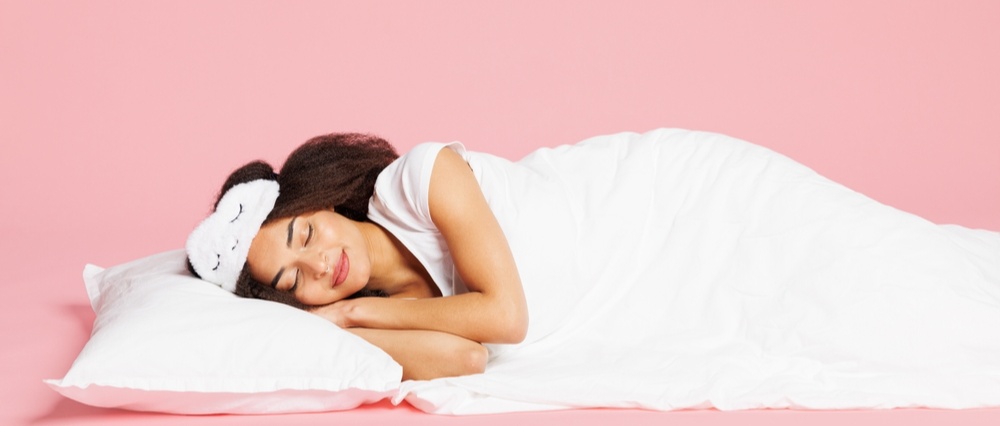
Does getting good sleep really improve your skin?
Peer reviewed by Dr Colin Tidy, MRCGPLast updated by Lynn StephenLast updated 3 Sept 2026
Meets Patient’s editorial guidelines
- DownloadDownload
- Share
- Language
- Discussion
- Audio Version
- Add to preferred sources on Google
Sleep is where your body and mind recharges, restores, and heals itself. During good sleep, your body prevents and repairs skin cell damage, significantly improving not only your skin's appearance but its strength and ability to protect against harmful external elements. On the other hand, poor sleep can increase inflammation, which can make certain skin conditions worse.
Sleep schedule and skincare
As a society, we are generally willing to invest in cosmetic products that promise clearer or more youthful-looking skin. In the UK alone, the skincare market is worth over £3 billion, with non-medicated face care holding the highest value.
Yet, having an expensive skincare routine has limited benefits if you're not getting enough good-quality sleep. Having a good sleep schedule is one of the best steps you can take to achieve healthy skin.
During sleep, your body restores and repairs itself from the stressors of the day. This includes your skin - the largest organ in the human body - as part of your body's own nightly, regenerative skincare routine. This can have a positive impact on inflammatory skin complaints such as acne, eczema, and rosacea. In terms of aesthetic improvements, good-quality sleep also counts as 'beauty sleep' because it can significantly improve the appearance of your skin.
According to the Sleep Foundation, a good-quality night's sleep includes sleeping for roughly 7-9 hours,1 waking up no more than once, falling asleep within 20 minutes if you do wake up, and feeling rested and energised in the morning.
As you sleep
By sleeping for long enough and without too much disturbance, your body is able to go through distinct stages that contribute to healthy skin, as well as to your overall health. These stages are part of what's known as circadian rhythms - periods of different biological activity controlled by your biological clock.
Stages of sleep skincare
These include:
Somatotropin production - this human growth hormone (HGH) is largely produced during the first few hours of sleep, also known as the slow-wave sleep phase. It helps to repair skin cell damage, and low levels are associated with dry, thin, and pale skin.2
Melatonin production - the levels of this hormone increase over the next couple of hours. Melatonin works as an antioxidant, reducing skin ageing3 by fighting free radicals. These are unstable atoms that can damage cells.
Collagen production - this protein is triggered during the final sleep stage, known as rapid eye movement (REM) sleep. Collagen helps to make your skin smooth and minimise fine wrinkles. There is a strong correlation4 between low collagen production and aged skin.
Of course, getting good-quality sleep does much more than support your skincare routine.
According to Dr Tess McPherson, senior clinical lecturer for paediatric dermatology at Oxford and British Society of Paediatric Dermatology (BSPD) member, sleep is the cornerstone of your functioning immune system and inflammatory pathways. Everything to do with how you function is connected to this - including your skin, mental health, and protection against diseases.
This means that your sleep schedule also impacts medical skin conditions, such as skin rashes. As poorer sleep is linked to greater inflammation, it can make inflammatory conditions worse.
Poor sleep hygiene, poor skin
If your current sleep schedule involves poor-quality sleep, this can significantly affect your skin, and the impact can be immediate.
Long-term effects of a poor sleep schedule
Consistently experiencing poor-quality sleep takes its toll.
One study6 of good sleepers and poor-quality sleepers found that:
Poor sleepers had significantly higher signs of skin ageing.
Good sleepers had 30% greater recovery of their skin barrier - the outermost layer of skin cells that helps to retain moisture and protect your skin from harsh external elements such as ultraviolet (UV) rays and pollutants.
At 24 hours after exposure to UV light, good sleepers had significantly better recovery from erythema - a type of skin rash caused by injured or inflamed blood capillaries.
Good sleepers also reported a better perception of their physical attractiveness.
This demonstrates how the impact can be both aesthetic and medical - sleep affects not only how your skin looks, but also its ability to protect itself and recover from skin irritations.
Skin appearance and ageing
During the night, levels of the stress hormone cortisol rise. During inadequate sleep, there is a greater rise in these levels which can trigger inflammation7 - a protective immune system response to harmful substances and tissue damage. This breaks down the proteins that keep your skin smooth and glowing.
Poor sleep hygiene is also associated with skin dehydration and decreased elasticity,8 which can lead to fine lines and wrinkles. Increased sweat production during your sleep acts as a natural skin moisturiser, helping to avoid this. Poor sleep can also lower your skin pH levels, which may in turn cause dry skin.
Furthermore, having a weaker skin barrier increases your chance of damage from UV rays. As well as wrinkles, liver spots, and leathery skin, this may lead to serious issues such as eye damage or melanoma - the most dangerous type of skin cancer.
Skin irritations and diseases
McPherson says that people with skin diseases such as eczema have skin barrier issues and inflammatory issues. This causes itchiness and irritation that often leads to disrupted, poor-quality sleep.
"In turn, poorer sleep makes eczema more inflamed and can be a factor that makes people more resistant to treatment," she adds. "In this sense, people with skin conditions such as eczema can get locked in a vicious cycle."
Research9 has also found a similar pattern for people who have rosacea - a skin condition where blood vessels are visible on the face and acne-like spots can appear - and for people with acne.10 While poor sleep is not a direct cause of these skin issues, it does appear to aggravate them. In addition, many people experience stress due to their skin's appearance, which can further raise cortisol levels, making inflammation worse.
How to get a better sleep routine
McPherson advises that people with medical skin issues need appropriate skin treatment. She also has practical advice that may improve quality of sleep.
This includes:
Don't keep your phone near your bed. Do switch off notifications.
Don’t use your phone directly before sleep - the brightness of a phone light is like having a shot of caffeine when it comes to staying awake.
Implement a simple wind-down routine.
Don't have caffeine too close to bedtime.
Do exercise and move about a lot in the day.
Do ensure your surroundings are dark and quiet.
In her book Skin Conditions in Young People, McPherson discusses how young people are particularly vulnerable to entering a "vicious and unhealthy psychological cycle" involving poor sleep patterns, worsening skin conditions, and related anxiety.
Anxiety around a poor sleep schedule can happen at any age. McPherson shares the following tips that may help if sleep has become an anxiety-inducing event.
McPherson recommends:
If you're unable to sleep, get up and do something - this could help break the cycle of anxious thoughts.
Don't scroll through your phone - certain things you read can increase anxiety and keep your brain from entering rest mode.
Try slow breathing techniques - breathing out for longer than you breathe in can help trigger a state of physical and mental relaxation.
Patient picks for Sleep and insomnia
Healthy living
Gratification snoozing: the viral sleep trend that could be making you more tired
Getting enough quality sleep is one of the best things you can do for your health. So naturally, social media has found a way to interfere with it. The latest viral craze, ‘gratification snoozing’, involves setting multiple alarms throughout the night so you can enjoy the feeling of falling back asleep. But while it may sound satisfying, this trend could be doing more harm than good. Here’s why experts say gratification snoozing isn’t the sleep hack it’s claimed to be - and what you should do instead to wake up feeling genuinely refreshed.
by Victoria Raw
Healthy living
How to fall asleep fast: 5 simple methods for speedy sleep
If you're struggling to sleep, you're not alone. Here are some popular methods to help you unwind and snooze off faster.
by Victoria Raw
Further reading and references
- Hirshkowitz M, Whiton K, Albert SM, et al; National Sleep Foundation's sleep time duration recommendations: methodology and results summary. Sleep Health. 2015 Mar;1(1):40-43. doi: 10.1016/j.sleh.2014.12.010. Epub 2015 Jan 8.
- Borlu M, Tanriverdi F, Koc CA, et al; The effects of severe growth hormone deficiency on the skin of patients with Sheehan's syndrome. J Eur Acad Dermatol Venereol. 2007 Feb;21(2):199-204. doi: 10.1111/j.1468-3083.2006.01898.x.
- Hardeland R; Aging, Melatonin, and the Pro- and Anti-Inflammatory Networks. Int J Mol Sci. 2019 Mar 11;20(5):1223. doi: 10.3390/ijms20051223.
- Varani J, Dame MK, Rittie L, et al; Decreased collagen production in chronologically aged skin: roles of age-dependent alteration in fibroblast function and defective mechanical stimulation. Am J Pathol. 2006 Jun;168(6):1861-8. doi: 10.2353/ajpath.2006.051302.
- Sundelin T, Lekander M, Kecklund G, et al; Cues of fatigue: effects of sleep deprivation on facial appearance. Sleep. 2013 Sep 1;36(9):1355-60. doi: 10.5665/sleep.2964.
- Oyetakin-White P, Suggs A, Koo B, et al; Does poor sleep quality affect skin ageing? Clin Exp Dermatol. 2015 Jan;40(1):17-22. doi: 10.1111/ced.12455. Epub 2014 Sep 30.
- Wright KP Jr, Drake AL, Frey DJ, et al; Influence of sleep deprivation and circadian misalignment on cortisol, inflammatory markers, and cytokine balance. Brain Behav Immun. 2015 Jul;47:24-34. doi: 10.1016/j.bbi.2015.01.004. Epub 2015 Jan 29.
- Jang SI, Lee M, Han J, et al; A study of skin characteristics with long-term sleep restriction in Korean women in their 40s. Skin Res Technol. 2020 Mar;26(2):193-199. doi: 10.1111/srt.12797. Epub 2019 Nov 6.
- Wang Z, Xie H, Gong Y, et al; Relationship between rosacea and sleep. J Dermatol. 2020 Jun;47(6):592-600. doi: 10.1111/1346-8138.15339. Epub 2020 Apr 14.
- Schrom KP, Ahsanuddin S, Baechtold M, et al; Acne Severity and Sleep Quality in Adults. Clocks Sleep. 2019 Dec 6;1(4):510-516. doi: 10.3390/clockssleep1040039. eCollection 2019 Dec.
About the authorView full bio

Amberley Davis
Senior writer
BA (Hons), CPD
Amberley is a senior writer with Patient and has written extensively on a range of health and wellbeing topics.
About the reviewerView full bio

Dr Colin Tidy, MRCGP
General Practitioner, Medical Author
MBBS, MRCGP, MRCP (Paediatrics), DCH
Dr Colin Tidy is an NHS Doctor, based in Oxfordshire.
Article history
The information on this page is peer reviewed by qualified clinicians.
Article also available in English, German, Spanish, French, Italian, Portuguese, Hindi, Hebrew, Arabic, and Swedish.
Next review due: 2 Sept 2029
3 Sept 2026 | Latest version
4 Mar 2022 | Originally published
Authored by:
Amberley Davis
Join the conversation
Share your thoughts or experiences with others in our patient communities.

Ask, share, connect.
Browse discussions, ask questions, and share experiences across hundreds of health topics.

Feeling unwell?
Assess your symptoms online for free
Sign up to the Patient newsletter
Your weekly dose of clear, trustworthy health advice - written to help you feel informed, confident and in control.
By subscribing you accept our Privacy Policy. You can unsubscribe at any time. We never sell your data.
More in healthy living
- 5 ways to look after your mental health this Christmas
- NewBiohacking - where to start, and where to stop
- Can you really be fit and fat?
- Does the moon really affect us?
- Everything you need to know about the Hot Girl Walk
- Exercise snacking - how small bursts of movement can boost your mindset
- How does Wegovy work for weight loss?
- How obesity affects joint health - and what you can do about it
- How to deal with stress through exercise
- How to talk to people about your mental health
- Is Christmas music good or bad for your mental health?
- Nurturing intimacy: 6 tips for long-term relationships
- What is the 6-6-6 walking challenge?
- What the World Cup can teach us about staying active
- What to do if your weight is getting you down
- What to do when your child can't sleep
- Why being kind helps others and benefits you too
- Why we should be making mental health New Year resolutions
- NewYoung-onset dementia - what you need to know