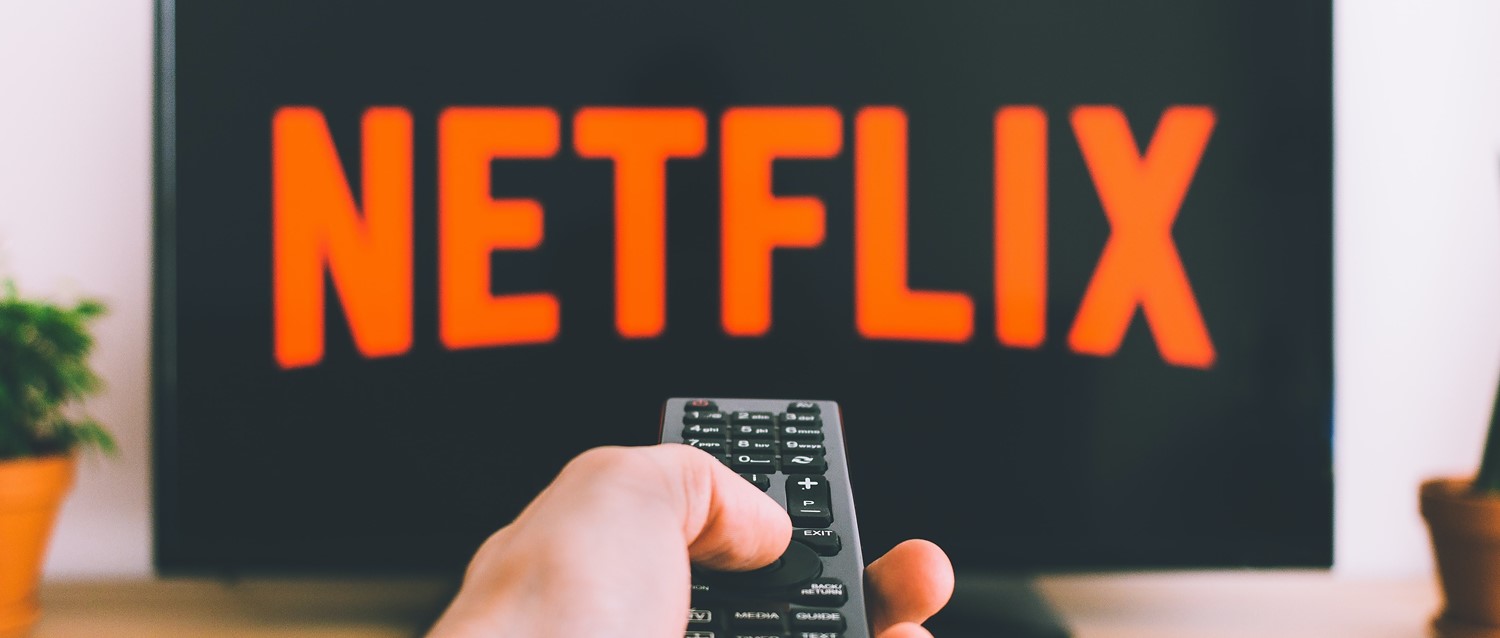
Können Horrorfilme Stress reduzieren?
Begutachtet von Dr Krishna Vakharia, MRCGPZuletzt aktualisiert von Lydia SmithZuletzt aktualisiert 31. Okt 2023
Erfüllt die redaktionelle Richtlinien
- HerunterladenHerunterladen
- Teilen
- Language
- Diskussion
- Audio-Version
- Zu bevorzugten Quellen bei Google hinzufügen
Wenn wir an entspannende Aktivitäten denken, ist es wahrscheinlich nicht das, was einem in den Sinn kommt, sich hinzusetzen und einen Film über einen Serienmörder zu sehen, der ein Opfer mit einer Axt verfolgt. Trotzdem lieben viele von uns Horrorfilme zu schauen – und obwohl das kontraintuitiv klingt, finden manche sogar, dass diese helfen, Stress abzubauen.
Unterstützung bei psychischen Problemen für Erwachsene und Kinder
Online-CBT und psychologische Therapie für Erwachsene und Kinder im Alter von 8 bis 17 Jahren. Die akkreditierten Fachkräfte von Onebright unterstützen Menschen mit Angstzuständen, Depressionen und anderen emotionalen Herausforderungen.
Scary films provide a sense of control
Lee Chambers, a psychologist and wellbeing consultant, says watching horror films can reduce anxiety and stress in several ways - and it's to do with how we perceive what's happening in front of us.
"While our conscious perception is able to understand that what we are seeing is simulated, our amygdala detects fear and prepares us for threatening situations," he explains."This ability to experience negative emotions in a safe and controlled environment can become a playpen to explore limits and reactions in."
Watching scary films may also provide a sense of relief because they provide a sense of well-defined fear with a clear source and an element of control. Unlike in real life, we are able to pause films when they become too much. We can hide behind our hands or turn the TV off to return to our familiar environment.
"There is no doubt that being in a comfortable and safe environment plays a role in how people can experience fear in a controlled way. You control how much you want to watch," says Chambers. "And there's even a case to say that you can gain a feeling of mastering and controlling your fear as you go through the movie and repeatedly test your fear response."
Expositionstherapie
Horror films can also help us to face our fears in a safe, controlled environment. Essentially, by watching a horor film we are engaging in a form of exposure Therapie, a psychological treatment developed to help people confront their worries and phobias. It is based on the theory that exposing yourself to things you are afraid of can help break patterns of avoidance and fear.
"Some individuals report that facing fear while in comfort gives them valuable exposure, coping strategy practice and a feeling of control," says Chambers. "Even though watching horror films is generally edge-of-seat stuff, we often find a place where we know that the outcomes are out of our control, and that it is likely that justice will prevail in the end."
Yuko Nippoda, a psychotherapist and spokesperson for the UK-Rat für Psychotherapie (UKCP), adds that testing our fear limits within safe boundaries can also help to reinforce our sense of safety.
"When people watch scary films, they might overlap the image of the danger of the outside world with their own life and they know they're safe as long as they are at home," she says. "Then their sense of safety is reinforced. Let's imagine there is a big storm, but we feel safe inside the house. The sense of security reduces stress."
Fear-enjoyment complex
Margee Kerr, a sociologist and author of Scream: Chilling Adventures in the Science of Fear, has carried out research on the 'fear enjoyment complex'. She suggests that fun-yet-scary experience may be able to help us change what we register as stressful, while providing a confidence boost.
To explore this idea, Kerr carried out a study in a haunted attraction in Pennsylvania. More than 260 guests were asked to fill in a survey about their expectations and how they were feeling before and after they headed into the haunted house1. Their brainwave activity was also tracked.
The results showed the guests experienced higher moods straight after the scary activity - and the more scary their experience, the better they felt. While some said they had challenged personal fears, others stated they had learned more about themselves.
Kerr and her colleagues also found that the euphoria people feel after engaging in fear-inducing activities "could help individuals to cope with subsequent stressors" by reducing the brain's responses to things that make us scared.
Distraction vs preparation
In real life, the triggers for Angstzustände can feel relentless. Whether it's work, family or COVID-19, it's easy to get caught up in an endless cycle of worry. For people with an Angststörung, there may not be a single cause.
However, horror films offer a clearly defined threat with a definite end. They can keep us distracted from everyday worries and provide temporary relief from ängstlich thoughts. "Horror films can also induce a level of presence that suspends many anxiety symptoms,” explains Chambers.
"There is also the potential to feel a sense of relief that you are not the victim, or feel that you can learn from the victim's situation about how to avoid potential real-life threats."
During the COVID-19 pandemic, horror's ability to relieve stress was put to the test. A 2020 study published in the BMJ found stress, anxiety and Depressionen were all significantly higher in those that took part compared with previous published numbers - 64% of participants reported symptoms of depression and 57% reported symptoms of anxiety2.
Yet despite this, horror films were popular in 2020 - but not only because they provided a distraction from the real-world disaster of COVID unfolding outside. The pandemic thriller Contagion became one of the most-watched films on iTunes, with some researchers attributing this to our desire to be prepared.
According to a University of Chicago study, scary films can act as simulations of actual experiences from which individuals can gather information and prepare themselves for the real thing3. Scary films like Contagion, the researchers found, may help audiences "practise effective coping strategies" that may well be put to the test in reality.
A sense of relief
And finally, horror films can trigger our fight or flight response, which can lead to a sense of relief or satisfaction afterwards. This state of high alert is characterised by the release of stress hormones such as cortisol and adrenaline, leading to an increased heart rate, higher blood pressure and faster breathing. It's a biological response to a perceived threat, allowing us to react quickly.
When watching scary films, research shows the content can trigger our fear response. Yet when the threat is gone - when the film comes to a conclusion - we calm down. Often, we experience a feeling of relief or even pleasure.
"Some people get enjoyment from frightening films. The physiological response we get from being scared, stimulating the release of adrenaline and dopamine, increases our arousal and can create a euphoric or thrilling feeling," says Chambers.
Can horror films trigger anxiety?
However, it's important to be mindful that not everyone finds horror films enjoyable. For some, scary films can trigger worries or Trauma, depending on the content. While films can create excitement, they can also cause Stress.
"For certain Angststörungen and some people who have experienced trauma, these types of entertainment can be triggering and increase our fear of being afraid," says Chambers.
Ultimately, not everyone derives joy from triggering fear and experiencing an adrenaline rush. It can depend on the person, their life experiences, background and their reaction to environmental stimuli. So before putting on a horror film with friends, it might be best to check if everyone is OK with it.
Weiterführende Lektüre
Patientenauswahl für Stressbewältigung
Psychische Gesundheit
Kann Bewegung helfen, sich weniger gestresst zu fühlen?
Most people are aware of the wisdom that exercise helps stress - but, too often, pressuring yourself to exercise can become a source of stress in itself. Here's how to get past that barrier.
von Abi Millar

Psychische Gesundheit
Welche Lebensmittel können Stress und Angst reduzieren?
Anxiety can be complex and hard to navigate, but by making small swaps to what you eat, you could see big improvements in your mental wellbeing. With the help of a food scientist and nutrition coach, we unpack the best foods for anxiety to help put you back in control.
von Lynn Stephen
Über den AutorVollständige Biografie anzeigen
Aktualisiert von

Lydia Smith
Feature-Autorin
BA, MA, MSc
Lydia Smith ist eine preisgekrönte Journalistin und Feature-Autorin, die umfangreich über Frauengesundheit und psychische Gesundheit geschrieben hat. Derzeit studiert sie für einen MSc in Psychologie.
Verfasst von
Lydia Smith
Feature-Autorin
BA, MA, MSc
Lydia Smith ist eine preisgekrönte Journalistin und Feature-Autorin, die umfangreich über Frauengesundheit und psychische Gesundheit geschrieben hat. Derzeit studiert sie für einen MSc in Psychologie.
Über den RezensentenVollständige Biografie anzeigen

Dr Krishna Vakharia, MRCGP
Chief Medical Officer für Gesundheit, Optum UK
MBChB, MRCGP(2013), BMedSci (hons), DFSRH, DRCOG, PGDipDerm (Distn)
Dr. Krishna Vakharia ist eine NHS-Hausärztin. Sie ist auch regelmäßige Prüferin für das postgraduale Diplom in Praktischer Dermatologie an der Cardiff University und zudem Chief Medical Officer für Gesundheit bei Optum UK.
Artikelverlauf
Artikel auch verfügbar in Englisch, Deutsch, Spanisch, Französisch, Italienisch, Portugiesisch, Hindi, Hebräisch, Arabisch, und Schwedisch.
Next review due: 31 Oct 2026
31. Okt 2023 | Neueste Version
1. Nov 2021 | Ursprünglich veröffentlicht
Verfasst von:
Lydia Smith
Nehmen Sie an der Diskussion teil
Teilen Sie Ihre Gedanken oder Erfahrungen mit anderen in unserem Patientengemeinschaften.

Fragen, teilen, verbinden.
Durchsuchen Sie Diskussionen, stellen Sie Fragen und teilen Sie Erfahrungen zu Hunderten von Gesundheitsthemen.

Fühlen Sie sich unwohl?
Bewerten Sie Ihre Symptome online kostenlos
Abonnieren Sie den Patienten-Newsletter
Ihre wöchentliche Dosis klarer, vertrauenswürdiger Gesundheitsberatung - geschrieben, um Ihnen zu helfen, sich informiert, selbstbewusst und in Kontrolle zu fühlen.
Durch das Abonnieren akzeptieren Sie unsere Datenschutzrichtlinie. Sie können sich jederzeit abmelden. Wir verkaufen Ihre Daten niemals.