
Warum Sitzen unserer Gesundheit schadet - und wie 22 Minuten Bewegung helfen könnten
Begutachtet von Dr Colin Tidy, MRCGPZuletzt aktualisiert von Victoria RawLast updated 28. Jan. 2026
Erfüllt die Anforderungen des Patienten Richtlinien des Patienten
- HerunterladenHerunterladen
- Teilen
- Language
- Diskussion
- Audio-Version
- Add to preferred sources on Google
Für viele von uns bedeutet ein Arbeitstag, mehrere Stunden am Stück vor einem Computer zu sitzen - und das hat ernsthafte Auswirkungen auf unsere Gesundheit. Aber Forschungsergebnisse legen nahe, dass 22 Minuten mäßige bis intensive Bewegung pro Tag die negativen gesundheitlichen Auswirkungen eines sitzenden Lebensstils verringern können.
In diesem Artikel:
Video picks for Übung und körperliche Aktivität
Lesen Sie unten weiter
Why is sitting so bad for our health?
Centuries ago, a working day meant heading out with spears to hunt for food. Now, we've swapped the hunter-gatherer lifestyle for desk jobs with comfortable chairs. Unfortunately, this sedentary behaviour - spending long periods of time sitting down - can harm our health. Doing nothing for a lot of the day raises your chance of Fettleibigkeit, Typ-2-Diabetes und Herzerkrankungen.
It's not known exactly why sitting down for prolonged periods is so bad for us. Research suggests that by not using our muscles as often, the function of our blood vessels might be affected, which can impact Zucker regulation and Blutdruck. One study linked prolonged sitting to a slower metabolism - the process by which the body breaks down and uses energy - and reduced blood flow.
Sitting down all day has also been linked to musculoskeletal disorders, such as Rückenschmerzen, tight muscles and Gelenkschmerzen. Hours of sitting can lead to tight hip flexor muscles - the ones at the top of your legs - which can affect your movement and balance, and lead to aches, pains and even falls.
How to counteract the effects of prolonged sitting
Zurück zum InhaltResearch published by the British Journal of Sports Medicine (BJSM) has found that engaging in 22 minutes of moderate to vigorous körperliche Aktivität per day may reduce your likelihood of health problems.
A study of a group of 50+ year olds across Norway, Sweden, and the US found that exercising for 22 minutes even benefitted those who were sedentary for 12 or more hours per day.
It's not always possible to go to a Fitnessstudio class, especially during a busy work day. So what can you do to be more active if you have a sedentary job?
Go for a walk
Heading out for a brisk Spazierengehen on your lunch break is a good way to get moving. Fresh air is invigorating and being around nature can help boost our psychisches Gesundheitsproblem.
Walk instead of taking the car, or take the stairs rather than a lift.
Try an exercise video
There are loads of different Bewegung videos online, from dance workouts to yoga. Find one that suits your needs - for example, low impact exercise.
Invest in a standing desk
Some people use standing desks, which can help you burn calories and improve your posture. However, regular activity - such as exercising - offers better benefits than replacing prolonged sitting with prolonged standing.
Have walking meetings
Sitting at a desk or in a stuffy boardroom doesn't always foster creativity and productivity. Holding walking meetings outside - if the weather allows - is a good way to be active, while reaping the stimulating benefits of being nach draußen.
Stand up and move regularly
Whether it's getting a glass of water or a Kaffee, make sure you stand up, stretch and move around frequently. It can help to set a timer if you find it difficult to remember when you're absorbed in your work.
Lesen Sie unten weiter
How much exercise should you aim for a day?
Zurück zum InhaltAdults should do at least 150 minutes of moderate intensity activity a week - such as brisk walking, dancing, water aerobics or riding a bike - or 75 minutes of vigorous activity such as Laufen or swimming. It's important to do strengthening activities that work your muscles and to spread exercise evenly over the week.
Patient picks for Übung und körperliche Aktivität
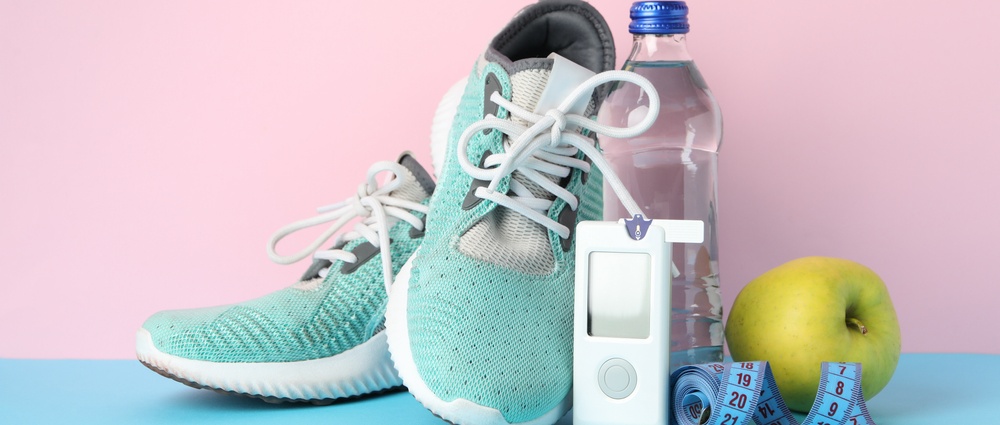
Diabetes
Typ-2-Diabetes mit Bewegung managen
Exercise helps lower blood sugar levels, improves insulin effectiveness, and supports achieving a healthy weight - all vital components for managing type 2 diabetes. Being regularly active also helps boost your mental wellbeing and energy levels. Read on to find out how to exercise safely and effectively with type 2 diabetes.
von Lawrence Higgins

Gesundes Leben
Was ist somatische Übung? Erforschung der Verbindung zwischen Geist und Körper
Introduced in the 1970s by philosopher Thomas Hanna, somatics refers to a discipline that explores the relationship between your mind and body though movement. Somatic exercise is a sensory practice that promotes mindful movements to enhance your awareness of your body’s internal sensations.
von Victoria Raw
Lesen Sie unten weiter
About the authorView full bio

Lydia Smith
Feature-Autorin
BA, MA, MSc
Lydia Smith ist eine preisgekrönte Journalistin und Feature-Autorin, die umfangreich über Frauengesundheit und psychische Gesundheit geschrieben hat. Derzeit studiert sie für einen MSc in Psychologie.
About the reviewerView full bio

Dr Colin Tidy, MRCGP
Allgemeinmediziner, Medizinischer Autor
MBBS, MRCGP, MRCP (Paediatrics), DCH
Dr. Colin Tidy ist ein NHS-Arzt mit Sitz in Oxfordshire.
Artikelverlauf
Die Informationen auf dieser Seite werden von qualifizierten Klinikern begutachtet.
Next review due: 29 Jan 2029
28. Jan. 2026 | Neueste Version
8. Nov 2023 | Ursprünglich veröffentlicht
Verfasst von:
Lydia Smith

Fragen, teilen, verbinden.
Durchsuchen Sie Diskussionen, stellen Sie Fragen und teilen Sie Erfahrungen zu Hunderten von Gesundheitsthemen.

Fühlen Sie sich unwohl?
Bewerten Sie Ihre Symptome online kostenlos
Abonnieren Sie den Patienten-Newsletter
Ihre wöchentliche Dosis klarer, vertrauenswürdiger Gesundheitsberatung - geschrieben, um Ihnen zu helfen, sich informiert, selbstbewusst und in Kontrolle zu fühlen.
By subscribing you accept our Datenschutzrichtlinie. Sie können sich jederzeit abmelden. Wir verkaufen Ihre Daten niemals.