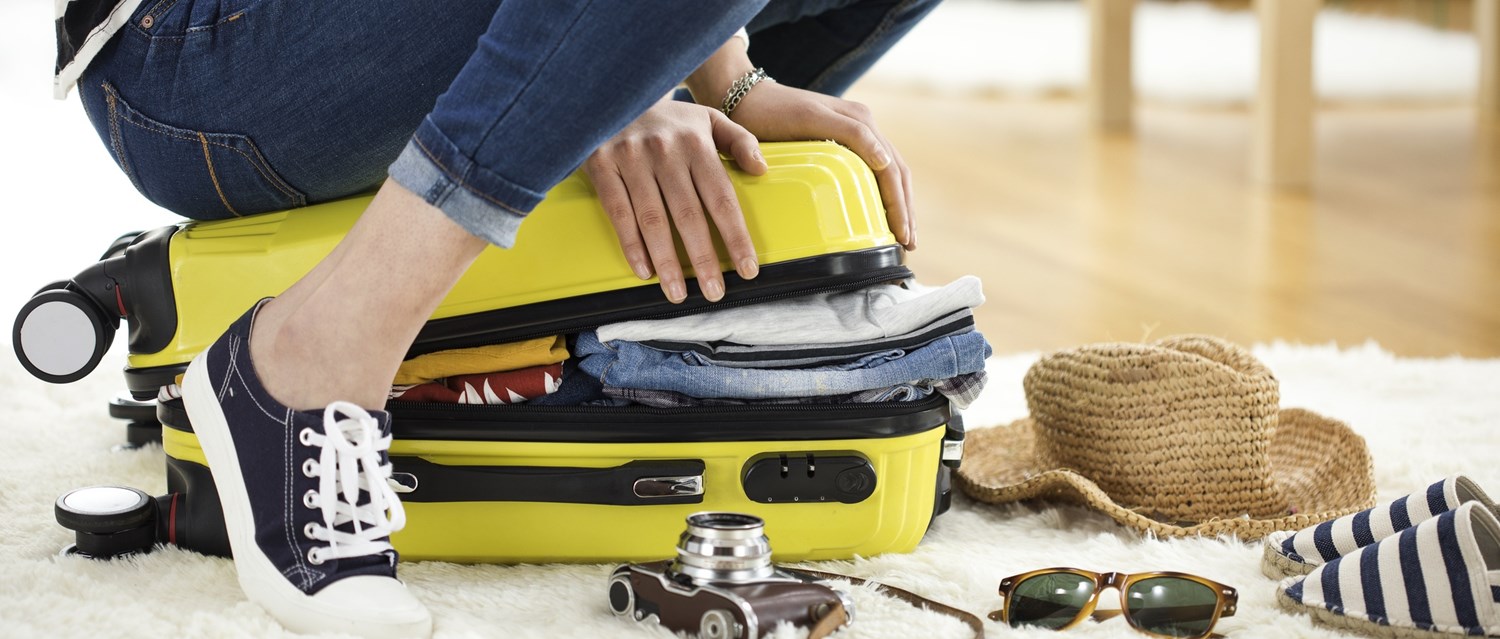
Holiday first aid kit essentials
Peer reviewed by Dr Sarah JarvisLast updated by Danny ChadburnLast updated 19 Oct 2017
Meets Patient’s editorial guidelines
- DownloadDownload
- Share
- Language
- Discussion
- Audio Version
- Add to preferred sources on Google
Having the right first aid items to hand when you go on holiday can prevent a simple accident from turning into a catastrophe. So what shouldn’t you leave home without?
"For most adults, an off-the-shelf kit with the basics is fine, but if there are young children, older people or anyone with specific needs, it makes more sense to create your own," says pharmacist Sultan Dajani from the Royal Pharmaceutical Society. If you're travelling to remote or undeveloped parts of the world, you may also need items such as malaria tablets, a water purification kit, syringes and a thermometer.
Wherever you're going, never leave out items in the hope of getting them cheaper abroad, as it may be too late. "A first aid kit is for emergencies and prompt treatment can prevent infection or a trip to A&E. Plus, language difficulties could mean you end up with inappropriate medication," warns Dajani.
Here are the basics to include in your holiday first aid kit.
Pain relief
Ibuprofen, aspirin or paracetamol will treat headaches and minor pains, but codeine is illegal in some countries and may be confiscated or even lead to your arrest if you don't have proof of prescription. Check the regulations of the country you're travelling to with the embassy in the UK. Also make sure you have something appropriate for everyone, including children, pregnant women or anyone with a specific condition; ibuprofen can bring on asthma in some people and should also be avoided by those with stomach ulcers.
Antihistamine tablets and cream
Tablets are a must for allergic reactions such as prickly heat rash or itchy insect bites. Ask for non-drowsy versions, so you don't miss out on your holiday. An antihistamine cream is great for soothing bites or rashes too.
Diarrhoea tablets
Food poisoning microbes grow and reproduce faster in hot weather, making the holiday trots more likely. However, some pharmacists advise letting the illness run its course, rather than taking tablets, to allow the microbes to pass out of your system.
Oral rehydration salts
Take during a bout of diarrhoea to restore the balance of fluids and natural salts in your body. This is especially important for young children and the elderly who are more vulnerable to dehydration.
Anti-sickness tablets
Whether it's caused by food poisoning or motion sickness, nausea and vomiting are best treated with anti-emetic tablets that dissolve under your tongue. If it's food poisoning, try to wait for a day to allow some of the harmful microbes to leave your body. You could also try travel sickness bands or patches, and remember you may need them for some holiday activities such as sailing or train journeys.
Indigestion tablets
Sometimes confused with heart attack symptoms, indigestion is more likely on holiday as you're eating a lot of different foods.
A mixed box of plasters
If you're going to be doing lots of walking, add in a few blister plasters too.
Antiseptic cream
Vital for preventing infection in cuts and grazes, especially in hot environments where germs multiply fast.
Wound dressings and bandages
Bigger cuts, lacerations and minor burns need a sterile dressing to help prevent infection, while bandages can support sprains or to add pressure to wounds over a sterile dressing, stemming any bleeding.
Instant ice pack
Pop one into your beach bag or day pack to treat sprains instantly. Prompt treatment can reduce inflammation, swelling and pain.
Aftersun cream or aloe vera lotion
When it comes to sunburn, prevention is always better than cure. Make sure you have the right level of SPF sun cream for your skin and holiday destination - including appropriate protection for children - cover up with a hat, and avoid the sun when it's strongest. But if you do get burned, try to keep out of the sun, apply aftersun or aloe vera lotion every hour or so, and drink plenty of water.
Other items
It's also worth packing scissors (but not in your hand luggage!) to cut bandages or tape, tweezers for removing splinters or grit from a wound, an eyewash solution for washing sand or dirt out of your eye - make sure the solution is in date to avoid infection - and an anaesthetic throat spray to soothe sore throats caused by allergies to pollen, dry air, or a virus.
Smart tips for packing
Check you have enough of any prescription medication - make sure you see your GP well in advance to ask for enough to cover your holiday and when you return - plus proof of prescription from your pharmacy or GP.
Make sure any medication is within the date on the bottle or pack and that it's in good condition. Blister packs are better than loose tablets, which may absorb moisture from the air and become ineffective.
Keep painkillers, prescription meds and a few plasters in your hand luggage and pack the rest in your suitcase. If it goes AWOL, you're still covered.
Make sure your first aid kit is kept in a dark, waterproof container that's out of reach of children.
Get travel insurance. A European Health Insurance Card entitles you to state medical treatment in the EU, but this may only cover basic care and leave you liable for more expensive treatments like X-rays. Check it also covers any activities you're doing, like golf or scuba diving.
Patient picks for Travel advice

Travel and vaccinations
What jet lag really does to your body
Jet lag can certainly put a dampener on a holiday but it may also have negative health implications for people who regularly experience it. We explore how holidaymakers and frequent flyers can minimise jet lag's effects.
by Léa Surugue

Travel and vaccinations
Health issues to be aware of when you fly
Whether your holiday plans involve a trip to an exotic city or a sunny summer on a foreign beach - you'll probably be getting there by plane. And whilst airplanes are a generally safe way of travelling - there are health issues that you should consider before you board. Here we look at what you can do to help make sure your flight is healthy and stress free.
by Michael Merschel
About the author

Danny Chadburn
Head of Content
Danny was the previous Head of Content at Patient.
About the reviewerView full bio

Dr Sarah Jarvis
Clinical Consultant
MA (Cantab), BM, BCh (Oxon), DRCOG, FRCGP, MBE
After training in medicine at Cambridge and Oxford, Dr Sarah Jarvis MBE became a GP.
Article history
The information on this page is peer reviewed by qualified clinicians.
Article also available in English, German, Spanish, French, Italian, Portuguese, Hindi, Hebrew, Arabic, and Swedish.
19 Oct 2017 | Latest version
Join the conversation
Share your thoughts or experiences with others in our patient communities.

Ask, share, connect.
Browse discussions, ask questions, and share experiences across hundreds of health topics.

Feeling unwell?
Assess your symptoms online for free
Sign up to the Patient newsletter
Your weekly dose of clear, trustworthy health advice - written to help you feel informed, confident and in control.
By subscribing you accept our Privacy Policy. You can unsubscribe at any time. We never sell your data.
More in travel and vaccinations
- Do planes and trains make us sick?
- Everything you need to know about the rabies jab
- Festival abroad? Have fun and stay safe
- Getting malaria tablets from your pharmacist
- Health issues to be aware of when you fly
- How do you prevent altitude sickness?
- How long before you travel should you get vaccinated?
- How to deal with holiday anxiety
- How to have a healthy flight
- How to overcome a fear of flying
- How to stay healthy on holiday
- How to travel safely during pregnancy
- LGBTQ+ travel: how to stay safe
- Should you worry about side effects with malaria tablets?
- The essential adventure travel kit
- The food and drink to avoid on holiday if you’re pregnant
- What jet lag really does to your body
- What side effects are associated with the yellow fever vaccine?
- Why you always seem to get sick on holiday
- Will Brexit affect my travel insurance?