
Was ist der Unterschied zwischen einer Nebenwirkung und einer Arzneimittelallergie?
Fachlich geprüft von Dr Krishna Vakharia, MRCGPZuletzt aktualisiert von Victoria RawZuletzt aktualisiert 24 Okt 2024
Erfüllt die Anforderungen des Patienten Richtlinien des Patienten
- HerunterladenHerunterladen
- Teilen
- Language
- Diskussion
- Audio-Version
- Zu bevorzugten Quellen bei Google hinzufügen
Viele meiner Patienten verwechseln Nebenwirkungen oder Unverträglichkeiten mit Allergien. Nebenwirkungen können mit der Zeit nachlassen, und es gibt Maßnahmen, die Sie ergreifen können, um die Wahrscheinlichkeit ihres Auftretens zu verringern. Aber wenn Sie eine allergische Reaktion haben, müssen Sie das Medikament absetzen und es nicht erneut einnehmen.
Last year in England, more than 1 billion prescriptions were issued. That's an awful lot of medicines, and an awful lot of potential for side effects as well as allergies.
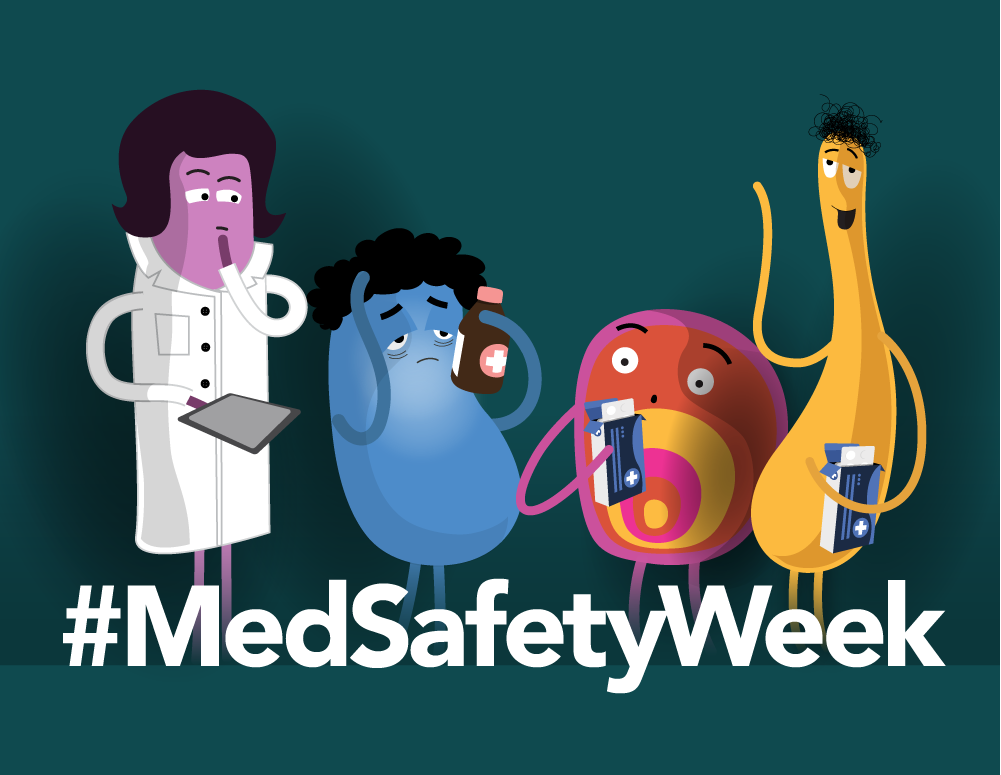
#MedSafetyWeek is an annual campaign organised by the Medicines and Healthcare products Agency (MHRA). This encourages you to report any suspected side effects from medicines, a medical device incident, or if you believe a product isn't working as intended. Das MHRA Yellow Card Scheme helps to detect and resolve potential safety issues with medicines and healthcare products.
#MedSafetyWeek 2024 (4.-10. November)
How to tell if you have a drug allergy
A drug allergy is your immune system's reaction to a medicine. It's important to be aware of Allergien, because if you take the same medicine again, the reaction could be worse.
Antibiotika - particularly Penicillin - are a good example. The first allergic reaction many people have is an itchy rash. But once your body is primed to recognise something as an enemy, your Immunsystem reacts more strongly.
In worst case scenarios, it could result in a potentially life-threatening reaction called Anaphylaxie. This is a sudden itchy rash - like nettle rash - that's accompanied by wheezing, Herzklopfen, Schwindel, swelling around the mouth, the lips and the tongue, and more.
Ausschläge are usually due to allergy, and if you develop a rash shortly after starting a medicine it should always be checked out.
If you've ever been told you're allergic to any medicine, tell your doctor or pharmacist before they issue a new medicine.
How to tell if it's a side effect?
Side effects, rather than allergies, are far more common. Among the most common examples are:
Sich krank und/oder Durchfall - with antibiotics like erythromycin, statins, some painkillers and Antidepressiva medicines.
Needing to pee more often - with 'water' tablets for high blood pressure or heart failure, and some medicines for Typ-2-Diabetes.
Müdigkeit - with strong painkillers, some Antihistaminika or depression tablets and beta-blockers for abnormal heart rhythms.
Muscle aches - with Statine.
With most medicines, side effects tend to be worse just after you start the tablets, and often settle within days or weeks at most. There are exceptions. With the blood pressure-lowering ACE-Hemmer, dry Husten - or even swelling around the face and lips (Angioödem) - can develop more than one year after starting.
Read the leaflet
It's worth talking with your pharmacist and reading the patient leaflet for a full list of recognised side effects. However, it's important to remember that many side effects are very rare - they all have to be listed for legal reasons, even if most people don't get them.
Check the label of your medicine - some tablets may cause side effects if taken on an empty stomach, but will be fine with food.
Nehmen Sie niemals das verschriebene Medikament einer anderen Person ein und teilen Sie Ihres nicht mit anderen. Bewahren Sie alle Medikamente außerhalb der Sicht- und Reichweite von Kindern auf. Lesen Sie immer die Packungsbeilage (PIL) oder die Anweisungen, die mit einem Medikament oder medizinischen Gerät geliefert werden. Diese enthalten wichtige Informationen über mögliche Nebenwirkungen, Risiken und die korrekte Anwendung des Produkts.
Ask the pharmacist
I'm a huge fan of community pharmacists. This is yet another time they can be invaluable. Your community pharmacist really is the expert where medication is concerned.
They can tell you if a symptom is likely due to your medicine, whether it's likely to settle and what you should do. They can also advise on possible interactions between drugs you're taking. Do remember that herbal remedies and even food supplements can cause side effects or interact with prescribed medicines, so let your pharmacist know everything you're taking.
If you're having any symptoms you think might be related to your medicine, speak to your pharmacist first, unless it's a medical emergency. As with a GP appointment, it helps to be prepared. Make a list of any symptoms you have as well as any medicines you take - and that includes medicines bought over the counter. Even anti-inflammatory drugs like Ibuprofen, available without prescription, can cause tummy pain and bleeding.
Depending on what medicines you take, you may be able to book a review of your medicines with your pharmacist using Patient Access.
What about 'natural' remedies?
Many people assume that 'natural’ supplements or remedies are safe and don't have side effects. However, everything that has a positive effect can have a negative effect as well. The list is endless, but some examples include St John's wort, used for Depressionen, und Aspirin - whether prescribed or taken for pain.
If you're taking the blood-thinner Warfarin - commonly used if you have an abnormal heart rhythm called Vorhofflimmern - you need to be particularly careful. It interacts with a host of prescribed medicines, supplements, and even food and drink - including Alkohol, Brussels sprouts, and curly kale.
It's important to have regular blood tests when you're taking warfarin, but it's also a good idea to have a chat with your pharmacist about possible interactions, especially if your blood tests aren't stable.
How to report side effects
If you get any side effects, talk to your doctor, pharmacist, or nurse. This includes any possible side effects not listed on this page or the information that comes with the medicine. You can also report side effects yourself - or on behalf of someone you’re caring for - using the Medicines and Healthcare products Regulatory Agency (MHRA) Gelbe Karte Schema.
Every report counts, and helps the MHRA monitor the safety of medicines and prevent future harm to others. You can also download the MHRA Yellow Card App in the Google Play or Apple App Store.
By reporting side effects you can help provide more information on the safety of this medicine.
Dank an das Magazin My Weekly, in dem dieser Artikel ursprünglich veröffentlicht wurde.
Patientenauswahl für Allergien
Allergien, Blut und Immunsystem
Sind private Allergietests sinnvoll?
Allergien und Unverträglichkeiten nehmen zu, insbesondere gegenüber Lebensmitteln. Über vier von zehn Erwachsenen im Vereinigten Königreich sind betroffen. Aber wenn Sie vermuten, dass Sie eine Allergie oder Unverträglichkeit haben, wie können Sie herausfinden, was die Ursache ist? Leider bietet der NHS nur eine begrenzte Anzahl von Allergietests an. Tests können privat durchgeführt werden, aber eine Internetsuche nach „Allergietest“ ergibt über eine Million Ergebnisse, von denen viele ziemlich teuer sind. Aber sind diese überhaupt lohnenswert? Wir werfen einen Blick auf die Beweise.
von Dr. Gurvinder Rull, MBBS

Allergien, Blut und Immunsystem
Kokosnussallergie: Kann Kokosnussöl Ihre Haut jucken lassen?
Kokosnuss ist in einer Vielzahl von Produkten enthalten, sei es in Lebensmitteln oder in der Haarpflege. Obwohl eine Kokosnussallergie sehr selten ist, kann sie für diejenigen, die darunter leiden, sehr belastend sein. Glücklicherweise gibt es Behandlungsmöglichkeiten.
von Emily Jane Bashforth
Über den AutorVollständige Biografie anzeigen

Dr. Sarah Jarvis
Klinische Beraterin
MA (Cantab), BM, BCh (Oxon), DRCOG, FRCGP, MBE
Nach ihrer medizinischen Ausbildung in Cambridge und Oxford wurde Dr. Sarah Jarvis MBE Hausärztin.
Über den RezensentenVollständige Biografie anzeigen

Dr Krishna Vakharia, MRCGP
Chief Medical Officer für Gesundheit, Optum UK
MBChB, MRCGP(2013), BMedSci (hons), DFSRH, DRCOG, PGDipDerm (Distn)
Dr. Krishna Vakharia ist eine NHS-Hausärztin. Sie ist auch regelmäßige Prüferin für das postgraduale Diplom in Praktischer Dermatologie an der Cardiff University und zudem Chief Medical Officer für Gesundheit bei Optum UK.
Artikelverlauf
Die Informationen auf dieser Seite werden von qualifizierten Klinikern begutachtet.
Artikel auch verfügbar in Englisch, Deutsch, Spanisch, Französisch, Italienisch, Portugiesisch, Hindi, Hebräisch, Arabisch, und Schwedisch.
Nächste Überprüfung fällig: 24. Okt. 2027
24 Okt 2024 | Neueste Version
4. Mai 2020 | Ursprünglich veröffentlicht
Verfasst von:
Dr. Sarah Jarvis

Fragen, teilen, verbinden.
Durchsuchen Sie Diskussionen, stellen Sie Fragen und teilen Sie Erfahrungen zu Hunderten von Gesundheitsthemen.

Fühlen Sie sich unwohl?
Bewerten Sie Ihre Symptome online kostenlos
Abonnieren Sie den Patienten-Newsletter
Ihre wöchentliche Dosis klarer, vertrauenswürdiger Gesundheitsberatung - geschrieben, um Ihnen zu helfen, sich informiert, selbstbewusst und in Kontrolle zu fühlen.
Durch das Abonnieren akzeptieren Sie unsere Datenschutzrichtlinie. Sie können sich jederzeit abmelden. Wir verkaufen Ihre Daten niemals.
Mehr zu Allergien, Blut und Immunsystem
- Sind alle Heuschnupfenbehandlungen gleich?
- Bluttest könnte Eierstockkrebs zwei Jahre früher erkennen
- Kann ein neuer Bluttest Lungenkrebs frühzeitig erkennen?
- Überprüfen Sie die Pollenbelastung in Ihrer Region
- Kokosnussallergie: Kann Kokosnussöl Ihre Haut jucken lassen?
- Könnten Sie allergisch gegen die Sonne sein?
- Kuhmilchallergie: Welche milchfreien Alternativen sind für Kinder geeignet?
- Wie man die Symptome einer Katzenallergie loswird
- Wie Sie Ihr Immunsystem auf natürliche Weise stärken können
- Wie man sich auf eine Blutuntersuchung vorbereitet
- Ist es eine Kuhmilchallergie oder Laktoseintoleranz?
- Personalisierter Bluttest erkennt Rückkehr von Brustkrebs
- Anzeichen eines Vitamin-B12-Mangels, die Sie kennen sollten
- Was sind die frühen Warnzeichen von Blutkrebs?
- Was ist ein CA125-Bluttest?
- Was ist Blut?
- Was ist der COVID-19-Antikörper-Bluttest und sollte ich einen machen lassen?
- Wie es ist, Lupus zu haben
- Was Sie über allergische Reaktionen wissen müssen
- Warum entwickeln manche Menschen plötzlich Heuschnupfen?