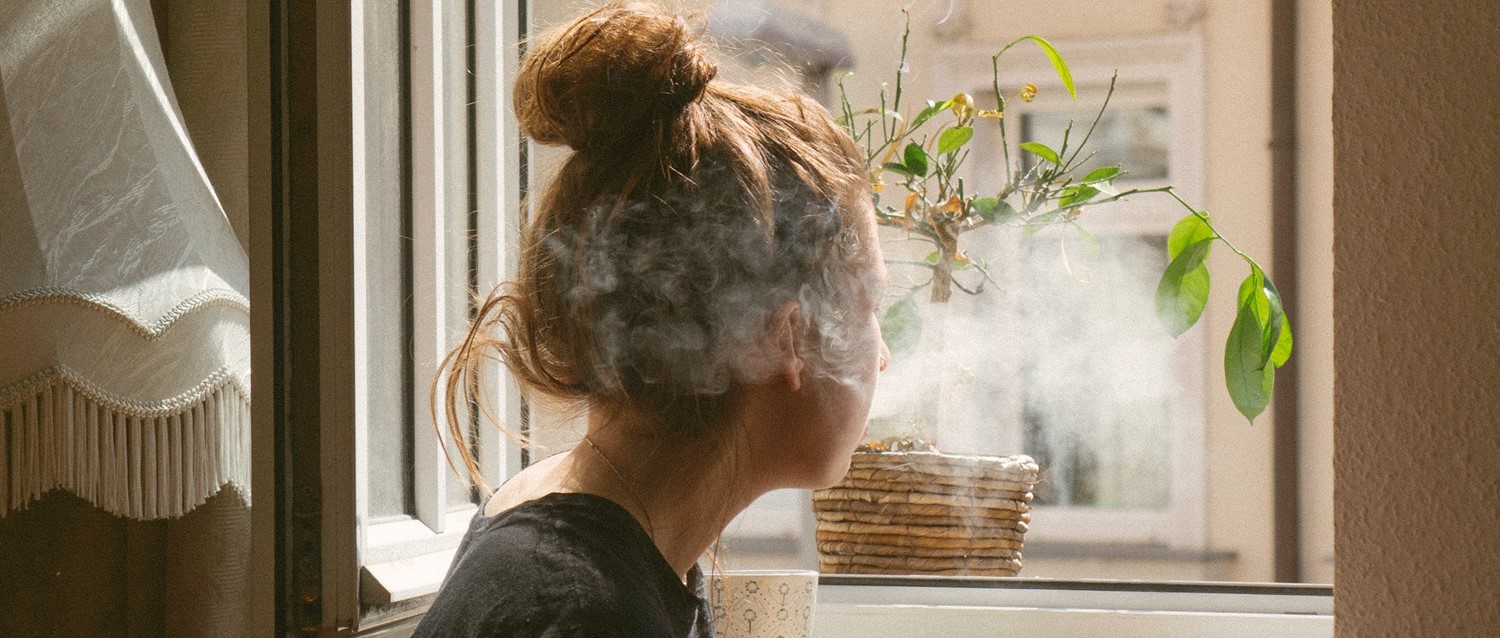
How to stay on top of unhealthy habits in lockdown
Peer reviewed by Dr Sarah JarvisAuthored by Lydia SmithOriginally published 9 Feb 2021
Meets Patient’s editorial guidelines
- DownloadDownload
- Share
- Language
- Discussion
- Audio Version
- Add to preferred sources on Google
When the first lockdown was brought in, many of us vowed not to let it get the better of us. With more time to kill at home, we walked, signed up to online courses and learned how to crochet. A year on, however, it's getting increasingly difficult to eat well, stay active and engage in wholesome hobbies. So how can we avoid unhealthy habits as the pandemic continues?
The disruption to our old way of life has massively shaken our routines and habits, with the uncertainty leading us to replace them with ones we find comforting.
Understandably, the pandemic has led to a surge in anxiety, with one UK study finding rates of mental distress in the general population increased from 18.8% to 27.3% between 2018 and 2020. We're also spending more time at home alone, which can lead to loneliness and boredom. Unfortunately, our go-to coping mechanisms - like comfort eating, drinking more or smoking - aren't always the best for our health.
Why we choose unhealthy coping mechanisms
"This stress can manifest itself in a number of ways, leading us to fall into less healthy habits," says Sophie Pirouet, a registered health coach based in south London. "When we're stressed, we have stronger cravings for sugar and simple carbohydrates, meaning you may find yourself more prone to reaching for chocolate or sweets.
"While sugar can give us a quick boost of energy and dopamine, eating too much in the long run can contribute to many health issues, and may make us feel low in energy and mood, as well as disrupting sleep."
With our social lives on hold, we've also been hitting the bottle at home. According to Alcohol Change, one in five people have been drinking more during the pandemic, out of stress and boredom.
"Some people's alcohol intake has increased as a coping mechanism. Food can also be used as a way of treating ourselves as, at the moment, days out and other treats are limited," says Chloe Hall, registered dietician and British Dietetic Association spokesperson.
And between work and Zoom quizzes, we are also spending more than a quarter of our waking days online - the highest on record. Although video calls and social media have become a lifeline during this isolating period, extended time in front of screens can lead to headaches and eye strain, and impact our sleep and well-being too.
Risks associated with unhealthy habits
We're living through a period of heightened anxiety, so it's important to cut yourself some slack. However, it's easy for bad habits to become routine, which can have a negative impact on your long-term physical and mental health.
"Eating more snacks high in fat and sugar and drinking more alcohol than usual can lead to excess weight gain," Hall says. "This can increase our risk of type 2 diabetes and increase our blood pressure."
Obesity can lead to a number of other serious illnesses, including coronary heart disease, stroke and some types of cancer. Meanwhile, drinking too much alcohol is a risk factor for developing cancer, high blood pressure, liver disease and mental health problems.
Social media can be hard on our self-esteem and confidence too. Several studies have linked the use of social networks with anxiety and depression, while researchers from the University of Pittsburgh discovered that the more different platforms people use, the higher their risk of mental health issues.
And although more than a million Brits have quit smoking since the start of the coronavirus pandemic, it's easy to succumb to cravings when we're feeling bored or low. With smoking one of the biggest causes of death and illness in the UK, it's important to resist the temptation.
How to beat unhealthy habits
Create new routines
Making healthy habits a part of your daily routine can help them become a natural part of your life. Making small, positive steps will help you feel motivated to continue and gradually cut out less healthy habits.
"If you’re now working from home, you may find you are generally more sedentary and this can make us feel more lethargic and even less like exercising," Pirouet says. "But being more active can be extremely beneficial for our overall well-being, as well as boosting our energy levels."
It's important to be honest with yourself about your routine. You may not want - or have time - to go for a run every morning, or you may prefer a short yoga routine.
"Block the time in your calendar and choose a form of exercise that you know you'll find enjoyable," Pirouet adds. "By sticking with small, achievable goals, you'll find it much easier to get active consistently, and that will boost your motivation to keep it up."
Try replacing alcohol
The Chief Medical Officers' guidelines for men and women are to drink no more than 14 units a week, which is around six medium glasses of wine or six pints of beer. If you regularly drink as much as this, it is best to spread your drinking evenly over three or more days.
Make sure you have alcohol-free days and when you do drink try to dilute your drinks. Supermarkets sell a great range of alcohol-free wines and beers, too.
Understanding why you drink can help you manage your drinking. People, places, times and emotions can also be linked to drinking alcohol. It's important to seek support if you need to, from your GP, a therapist or organisations like Drinkaware.
Eat mindfully
Mindfulness is a powerful tool in fighting depression but can also help with unhealthy habits. If you find yourself reaching for unhealthy snacks without realising, eating mindfully can help. Mindful eating is about developing awareness of your experiences, physical cues, feelings and emotions when eating.
"Approaching emotional eating with mindfulness can be a useful tool to help you address the root cause, rather than just the symptom," Pirouet says. "When cravings strike, check in with yourself, and identify how you're feeling in that moment, without judgement. Are you feeling sad, anxious, or craving comfort? This insight can help us address the root of certain cravings, and make more empowered food choices."
If you find yourself reaching for chocolate or crisps, try keeping healthy alternatives in the cupboard instead. There's good evidence that simply putting healthier options in your eyeline, making them more accessible than the unhealthier alternatives, makes a significant difference.
"Choose snacks that contain fibre and protein to try to help fill you up," Hall says. "For example, wholegrain oatcakes with a hoummos or peanut butter, nuts, or low-fat Greek yoghurt. Make sure you have regular balanced meals and fill half your plate with vegetables."
Get help quitting
NHS Stop Smoking Services can offer one-to-one or group sessions with trained stop smoking advisers. To find your nearest NHS Stop Smoking service search our NHS self-referral directory. Nicotine replacement therapy (NRT) products, such as patches, can help you quit smoking.
The NHS Smokefree helpline on 0300 123 1044 offers free help, support and advice on stopping smoking and can give you details of local support services.
Reduce your screen time
We may not be able to avoid being on our laptops or phones all day for work, but it's important to take regular screen breaks. We're far more likely to pick up our phones if we spot a notification, so turning them off may help reduce the amount of time we spend on them. During times when you want a break, try the Do Not Disturb function or put your phone on airplane mode.
Leaving your phone out of the bedroom at night will prevent you from checking it out-of-hours. If you can, put it in another room until the next morning and use a traditional alarm clock instead.
Manage stress
Managing stress and anxiety can make a huge difference to our habits. Exercise, walking, mindfulness, deep-breathing and talking to others can all help. Listen to your body and take breaks or time off if you need to.
If you are struggling with your mental health, it's important to speak with your GP who can offer advice and support. Counselling and therapy can be beneficial too.
Patient picks for Pandemic articles
COVID-19
How to meet friends and family safely outdoors
Across the UK, lockdowns are easing and we're allowed to see friends and family outside (and indoors too if you live in England or Scotland). But that doesn't mean the risk of spreading COVID-19 has vanished; you still need to take precautions to keep yourself and your loved ones safe.
by Andrea Downey
COVID-19
COVID-19: when do experts predict life will return to normal?
"When will the pandemic end?" is a question on everyone's mind, although some may be wary of asking it. Experts are predicting various possible outcomes for when the COVID-19 pandemic will end. They envisage 'the new normal', where COVID-19 is no longer a major threat but instead an endemic disease that we routinely manage.
by Amberley Davis
About the authorView full bio
Authored by

Lydia Smith
Feature writer
BA, MA, MSc
Lydia Smith is an award-winning journalist and feature writer who has written extensively on women's health and mental health. She is currently studying for an MSc in psychology.
About the reviewerView full bio

Dr Sarah Jarvis
Clinical Consultant
MA (Cantab), BM, BCh (Oxon), DRCOG, FRCGP, MBE
After training in medicine at Cambridge and Oxford, Dr Sarah Jarvis MBE became a GP.
Article history
Article also available in English, German, Spanish, French, Italian, Portuguese, Hindi, Hebrew, Arabic, and Swedish.
9 Feb 2021 | Originally published
Authored by:
Lydia SmithPeer reviewed by
Dr Sarah Jarvis
Join the conversation
Share your thoughts or experiences with others in our patient communities.

Ask, share, connect.
Browse discussions, ask questions, and share experiences across hundreds of health topics.

Feeling unwell?
Assess your symptoms online for free
Sign up to the Patient newsletter
Your weekly dose of clear, trustworthy health advice - written to help you feel informed, confident and in control.
By subscribing you accept our Privacy Policy. You can unsubscribe at any time. We never sell your data.