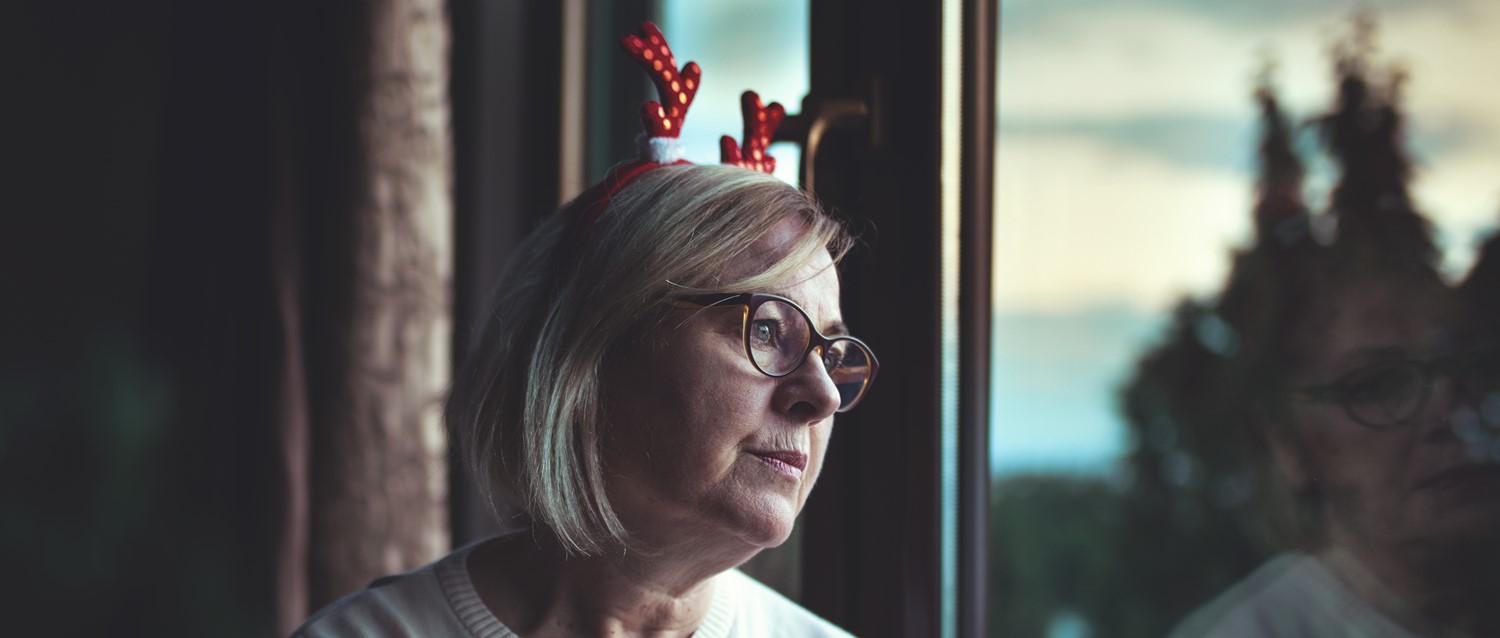
5 ways to look after your mental health this Christmas
Peer reviewed by Dr Krishna Vakharia, MRCGPAuthored by Amberley DavisOriginally published 8 Nov 2022
Meets Patient’s editorial guidelines
- DownloadDownload
- Share
- Language
- Discussion
- Audio Version
- Add to preferred sources on Google
From the hectic and often alcohol-fuelled festive run-up to hosting dinner on the big day, Christmas time comes with its own set of challenges. These five expert-advised tips can help you prioritise your mental health at Christmas.
Mental health support for adults and children
Online CBT and psychological therapy for adults and children aged 8–17. Onebright’s accredited clinicians support people experiencing anxiety, depression and other emotional challenges.
Mental health at Christmas
Whether you love the festive period or shudder every time the TV adverts, radio, or shops you enter blast Christmas songs, Christmas can be emotionally and mentally tough.
One YouGov UK survey1 found that one quarter of people's mental health suffers over Christmas. It revealed that some of the main mental health problems at Christmas include:
Depression - affects 25% of people.
Loneliness - affects 25% of people.
Stress - affects 20% of people.
Anxiety - affects 30% of people.
Eating disorders, grief, and empty nest syndrome can also become extra challenging to navigate during this time of year.
To help you look after your mental health at Christmas, consultant psychologist Dr Elena Touroni, co-founder of The Chelsea Psychology Clinic, shares her five tips.
1. Take the pressure off the big day
"Christmas is often filled with expectation, which can accompany the added pressure for things to be just right," says Dr Touroni. "If things don't go the way we'd planned, it can leave us feeling like we've failed in some way."
To reduce this pressure, she encourages you to be kind to yourself and to remove any expectations of what you think Christmas Day should be like.
What could this look like?
Deciding early in the season if you're genuinely feeling happy and calm enough to host Christmas Day.
Asking family or friends to support and share festive tasks - for example, being responsible for elements of Christmas dinner or setting the table.
Setting a budget that you're comfortable with - as well as reducing financial stress, this can help you to think about what's most important to you at Christmas and to worry less about creating a picture-perfect Christmas setting.
Laughing at the imperfections - remember that Christmas Day itself rarely runs smoothly and some disasters, like a burnt dinner, often lead to laughter and shared memories.
2. Practice plenty of self-care
Self-care means taking the time to do things that bring you joy or relaxation. When it comes to your mental health at christmas, self-care has proven benefits for stress management, energy levels, and even illness prevention2.
According to Dr Touroni, you should make time for the things that nourish you and provide you with a sense of mental wellbeing. December can be very busy, so it's important to feel that you can reserve time for self-care, even when it means saying no to someone else.
What could this look like?
Eating healthily and staying hydrated - unhealthy foods and even mild dehydration can negatively impact your mood and energy levels3. Although important all year round, the amount of alcohol and unhealthy foods around at Christmas make this a key December priority.
Keeping up with the exercise - busy festive social calendars and hangover days often disrupt exercise routines but maintaining just 30 minutes of moderate exercise every day can boost your mood2.
Embracing relaxing hobbies - for example, going for nice walks, reading, DIY projects, or running yourself an indulgent bath.
Focusing on positivity - recognise when any negative thoughts are brought on by Christmas and try to challenge them with a positive thought.
3. Don't force yourself
Christmas can be a difficult time, we can feel the pressure and expectations to do certain things or see certain people. If you're feeling low, exhausted, stressed, or anxious, Dr Touroni warns against doing something that you feel might make these feelings worse.
What could this look like?
Timing your social events - for example, if you struggle with certain family members, be realistic about how much time is healthy to spend with them. You might want to change an overnight stay to a lunchtime visit.
Learning to say no - for example, turning down party invitations to catch up on sleep and relaxation.
Limiting the alcohol - follow advice on how to drink alcohol safely over the festive period, including at work parties.
4. Remember that you're not alone
"Remind yourself that Christmas can be triggering for lots of people," says Dr Touroni. It can sometimes look like everyone else is out having fun, especially on social media, and if we're not enjoying ourselves, it can make our mood worse as we feel more alone.
What could this look like?
Remembering the statistics in this article to realise you're not alone.
Taking a social media holiday and putting that phone or laptop away for a few hours, especially in the evening.
5. Talk it out
If you're struggling with your mental health at Christmas, you don't need to battle through it alone. Talking to friends and staying connected to family can remove a lot of the burden and pressure we feel at Christmas and help you to know that you have a network of support. If you need further tools to help you return to a more positive mental state, speak to your GP or a private therapist.
Further reading
National Institute of Mental Health: Caring for your mental health.
Mental Health Foundation: How are diet and mental health linked?
Patient picks for Mental wellbeing

Mental health
What mental health support is available to veterans?
Over 1,800 charities support veterans in the UK but for those leaving the military, the transition remains stressful and lonely. Having access to mental health support for veterans can make a fresh start easier.
by Ellie Broughton

Mental health
Can spending time in nature benefit your mental health?
It's been suggested that spending more time in nature could be an effective form of stress management and even help more severe mental health problems. But what's the evidence behind this theory? And how does 'ecotherapy' compare to more conventional treatments?
by Ellie Broughton
About the authorView full bio
Authored by

Amberley Davis
Senior writer
BA (Hons), CPD
Amberley is a senior writer with Patient and has written extensively on a range of health and wellbeing topics.
About the reviewerView full bio

Dr Krishna Vakharia, MRCGP
Chief Medical Officer for Health, Optum UK
MBChB, MRCGP(2013), BMedSci (hons), DFSRH, DRCOG, PGDipDerm (Distn)
Dr Krishna Vakharia is an NHS GP. She is also a regular examiner for the postgraduate Diploma in Practical Dermatology at Cardiff University as well as being the Chief Medical Officer for health at Optum UK.
Article history
Article also available in English, German, Spanish, French, Italian, Portuguese, Hindi, Hebrew, Arabic, and Swedish.
8 Nov 2022 | Originally published
Authored by:
Amberley DavisPeer reviewed by
Dr Krishna Vakharia, MRCGP
Join the conversation
Share your thoughts or experiences with others in our patient communities.

Ask, share, connect.
Browse discussions, ask questions, and share experiences across hundreds of health topics.

Feeling unwell?
Assess your symptoms online for free
Sign up to the Patient newsletter
Your weekly dose of clear, trustworthy health advice - written to help you feel informed, confident and in control.
By subscribing you accept our Privacy Policy. You can unsubscribe at any time. We never sell your data.