Sunday scaries: How to beat Sunday night anxiety
Peer reviewed by Dr Krishna Vakharia, MRCGPLast updated by Amberley DavisLast updated 21 Feb 2024
Meets Patient’s editorial guidelines
- DownloadDownload
- Share
- Language
- Discussion
- Audio Version
- Add to preferred sources on Google
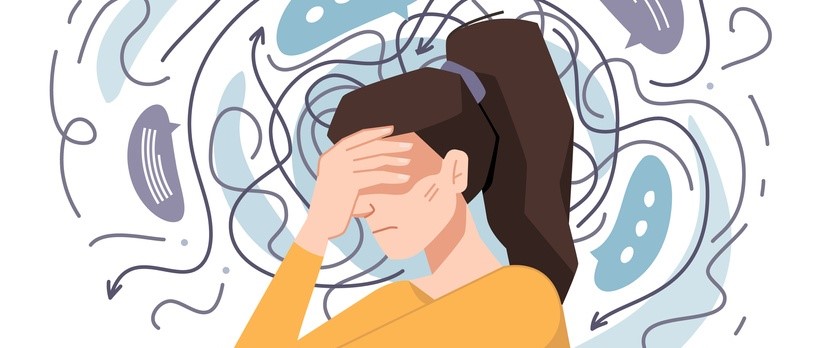
If you've ever had that sinking feeling in your stomach as the weekend draws to a close, you aren't alone. Many of us struggle with feelings of anxiety, low mood and a general sense of dread - dubbed by many as the 'Sunday scaries'.
Mental health support for adults and children
Online CBT and psychological therapy for adults and children aged 8–17. Onebright’s accredited clinicians support people experiencing anxiety, depression and other emotional challenges.
Around 2 in 3 people in the UK struggle with anxiety or the blues on a Sunday as they start to worry about the week ahead.1 But why do we get these feelings - and what can we do to ease them?
Causes of Sunday night anxiety
Sunday scaries and loss of freedom
Katerina Georgiou, a counsellor and psychotherapist, says there are two main things happening on a Sunday night. For many, it's the loss of the weekend, when we get more freedom and time to ourselves. But we're also anticipating the week ahead and wondering what that holds.
"Sunday marks the end of the weekend, the end of a break, and the end of the very brief respite from the previous week's work," she says.
"The party is suddenly over and ahead of you lie five days of work again that can feel like a brand new mountain to climb. The anticipation of that can be very burdensome."
Sunday scaries and work stress
Whether the week ahead fills you with dread also depends on your job.
"If you dislike your job, and you don't feel you had much time to come up for air in the first place, then that feeling worsens," Georgiou adds. "If what lies ahead is high stress, difficult meetings, office politics, maybe an unbearable commute, then that inhalation of breath is going to intensify. It's sometimes only a temporary feeling, but for others it can be so bad."
Many of us only have the two-day weekend to recover from a long working week, which is not enough time and can create resentment.
"The spike of excitement at a Friday night is suddenly met with a dramatic anticlimax on Sunday, rather than a slow burning feeling of relaxation and release," says Georgiou.
Sunday scaries and pressure to enjoy the weekend
Sunday is also usually the day when we try to fulfil everything on our to-do lists that we're too busy to tackle during the week, which can bring pressure to be productive.
Nicky Lidbetter, CEO of Anxiety UK, says you might also expect to have a great time at the weekend - and if that doesn't pan out, it can lead to low mood and resentment.
"Often people recall Sunday evening as being a stressful time, going back to school, getting things ready for the week ahead," explains Lidbetter.
"That can carry on into adulthood where you feel the week ahead is the opposite of the weekend. You can't be free-spirited anymore and you're not in control. And the 'being in control' is really important for people who have anxiety, because feeling out of control is what keeps anxiety going."
Sunday scaries, alcohol and poor sleep
The way we spend our weekends can affect how we feel on a Sunday too, as overdoing it with alcohol, which is a depressant, can harm our mood. Also, feeling anxious or sad at the end of the weekend can lead to sleep problems, which can worsen your mood.
"People get focused on getting a good night's sleep because they have so much to do the next day," Lidbetter says. "People worry they won’t get to sleep or that they will wake in the night. It can become a point of obsession which can become a problem."
Charlotte*, who already struggles with anxiety, says she enjoys the quiet of a slow Sunday, but feels gradually more anxious as the evening arrives.
"As it comes to the evening of any Sunday, my anxiety will build up. I can find myself struggling to fall asleep, or even, wake up," she says. "I sometimes find myself frozen in fear, shaking and worrying about everything that could go wrong and the things that I have to do this week."
How to tackle Sunday scaries
Make changes
If it is your work or another aspect of your life that is making you feel low, it might be time to review your current situation.
Hilda Burke, psychotherapist and author of The Phone Addiction Workbook, says: "If the Sunday night blues are very intense, it's worth asking yourself what it is you're dreading so much about the working week.
"Are you taking on too much work? Are you putting up with a job in which you're no longer learning and growing? What changes do you need to make so that your working week is actually something you look forward to?"
Plan something mid-week
Fun activities shouldn't just be reserved for the weekend - planning a mid-week treat can help break up the monotony of work. Go out for dinner or meet a friend after work on a weekday.
"Try to add in something fun during the week like a dinner or cinema or book in a massage on your lunch break to break up the week," Georgiou says. "Make sure you take annual leave and have a holiday at least once every couple of months."
Even if you don't get much holiday, a day or two added on to your weekend can make a difference.
Make Sunday fun
Likewise, Sundays don't just have to be about preparing for work the next day and catching up on housework. Planning something you enjoy on a Sunday evening can help tackle the dread.
"The key thing is not to get into habit of seeing Sunday evening as a time when you get that gnawing feeling or knot of anxiety, but to set something nice to do - rather than checking emails or preparing," Lidbetter says.
Stay in the moment
The Sunday scaries are about thinking ahead - we aren't enjoying our weekend because we're busy worrying about what's going to happen the next week. Mindfulness, being aware of your surroundings, can help you stay in the moment and improve your mental wellbeing.
"People with anxiety are good at 'what if' scenarios - we have an expression that is 'so what to what if'. You spend your time living in the future that may not ever happen," says Lidbetter.
"Grounding techniques are important. If you find yourself getting ahead, have five things you can see, hear and touch to bring you back into the moment. As a cognitive behavioural therapist myself, a technique I ask is, if there's something you are worried about, will it be something you're worrying about in a few months? Most times you would say no. It gives you perspective."
Be kinder to yourself
It's also important to be kind to yourself. If you haven't got through your to-do list, so what? It's easy to be hard on ourselves if we've not achieved everything we feel we should have on a weekend.
"Even in the worst working weeks, there are some positive things you can find - focusing on those brings more balance to your thoughts," says Lidbetter. "Listing things that you've enjoyed during the week or making note of small successes sounds basic, but can be helpful."
Get professional help
If you struggle with anxiety or low mood frequently, speak with your GP about accessing professional help. They will be able to direct you towards the right treatment, whether it is talking therapies or medication. Speaking with family and friends can help too, or you could try reaching out to Anxiety UK or Mind for advice and information.
Further reading
Patient picks for Anxiety

Mental health
What it's like to have muscle dysmorphic disorder
For most people, lifting weights is a healthy part of a balanced life. But for some men, the pursuit of the body beautiful can spiral into a dangerous obsession.
by Abi Millar

Mental health
Can anxiety cause depression?
Not sure if you – or someone you care about – is suffering from anxiety or depression? Or if one can lead to the other? Find out how to tackle both conditions and get the help you need.
by Danny Chadburn
About the authorView full bio

Lydia Smith
Feature writer
BA, MA, MSc
Lydia Smith is an award-winning journalist and feature writer who has written extensively on women's health and mental health. She is currently studying for an MSc in psychology.
About the reviewerView full bio

Dr Krishna Vakharia, MRCGP
Chief Medical Officer for Health, Optum UK
MBChB, MRCGP(2013), BMedSci (hons), DFSRH, DRCOG, PGDipDerm (Distn)
Dr Krishna Vakharia is an NHS GP. She is also a regular examiner for the postgraduate Diploma in Practical Dermatology at Cardiff University as well as being the Chief Medical Officer for health at Optum UK.
Article history
Article also available in English, German, Spanish, French, Italian, Portuguese, Hindi, Hebrew, Arabic, and Swedish.
Next review due: 21 Feb 2027
21 Feb 2024 | Latest version
28 Apr 2019 | Originally published
Authored by:
Lydia Smith
Join the conversation
Share your thoughts or experiences with others in our patient communities.

Ask, share, connect.
Browse discussions, ask questions, and share experiences across hundreds of health topics.

Feeling unwell?
Assess your symptoms online for free
Sign up to the Patient newsletter
Your weekly dose of clear, trustworthy health advice - written to help you feel informed, confident and in control.
By subscribing you accept our Privacy Policy. You can unsubscribe at any time. We never sell your data.
More in mental health
- Building resilience: how to bounce back from life's challenges
- Can 'prescribed' laughter help people recover from trauma?
- Can men experience postnatal depression?
- Diapression: unravelling the link between diabetes and depression
- How has working from home affected our mental health?
- How students and teachers can beat exam stress
- How to deal with holiday anxiety
- How to deal with negative body image in the summer
- How to decide between different types of therapy
- How to help if your child has an eating disorder
- How to manage your mental health if you've been made redundant
- Is Christmas music good or bad for your mental health?
- Is the term 'wellness' problematic?
- Meal plan tips for eating disorder recovery
- The link between anxiety and insomnia
- The warning signs of stress
- What is post-traumatic embitterment disorder (PTED)?
- What triggers eating disorders in men?
- What's the link between mental health and heart disease?
- When can procrastinating be healthy?