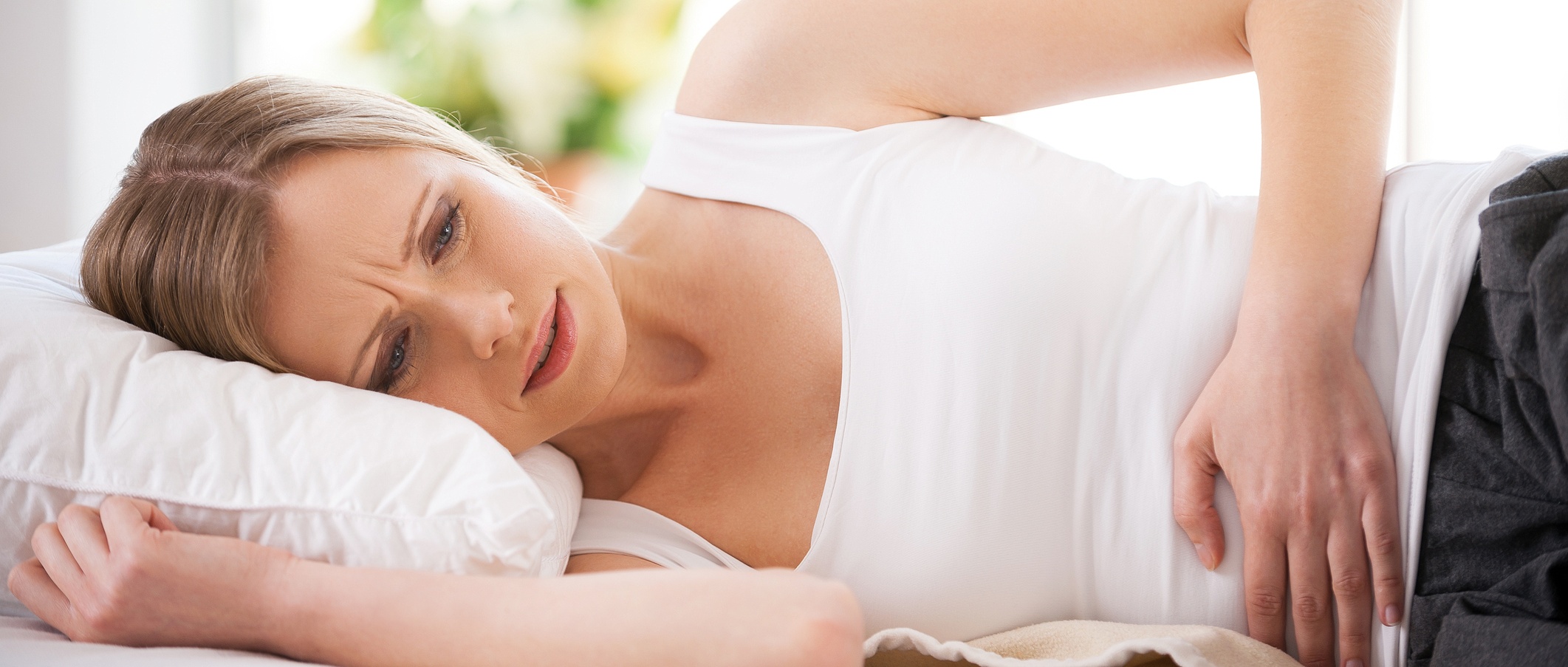
Kann man Gallensteine bekommen, wenn man jung ist?
Begutachtet von Rose Constantine Smith, ANutrZuletzt aktualisiert von Rose Constantine Smith, ANutrZuletzt aktualisiert 9 Oct 2017
Erfüllt die Anforderungen des Patienten Richtlinien des Patienten
- HerunterladenHerunterladen
- Teilen
- Language
- Diskussion
- Audio-Version
- Zu bevorzugten Quellen bei Google hinzufügen
The simple answer is yes! Although gallstones are often seen as a condition that only affects those who are 'fair, fat and 40' the reality is you can get them at any time.
Thomas H. Lewis, an American surgeon, wrote for Brattleboro Memorial hospital saying ‘Patients showing symptoms of gallbladder disease are younger than they ever were before. Gallstones can appear in a person of any age, but the average age when they became a problem used to be when a person reached his or her forties, fifties or sixties. Now, patients with symptomatic gallstones tend to be in their thirties or forties. I’ve even had to remove gallbladders from teenagers. Something is going on.’
I should know, it happened to me
When I was at university I was diagnosed with gallstones, luckily for me my diagnosis was prompt. Unfortunately, though, people showing symptoms of gallstones but without matching the ‘fair, fat and 40’ stereotype are often misdiagnosed.
Georgia was in her early 20’s when she first started getting symptoms...
"I had been suffering with terrible stomach pains that occurred every couple of weeks or so as a very painful attack. I had visited my doctor’s surgery on several occasions, and they felt that the symptoms, along with my age and weight (being under 30 and fairly slim) indicated that I probably had a stomach ulcer. After six months of stomach ulcer treatment, I was finally given an ultrasound scan, and it was confirmed that gallstones had been causing me such problems."
Risk factor – being a woman
What doesn’t seem to be highlighted to the public is that women are at a significantly higher risk of developing this condition. A study found that women across the globe are twice as likely to develop gallstones as men. This is because gallstones are usually formed from cholesterol in bile (the fluid made by the liver and stored in the gall bladder). The female hormone oestrogen has been found to increase the amount of cholesterol in bile. Higher levels of cholesterol also potentially reduce the movement of the gallbladder, another reason for the formation of gallstones.
During fertile years, women have higher levels of oestrogen, particularly during pregnancy and when taking an oestrogen based contraceptive. Girls are also more likely to skip breakfast, which has been found to encourage gallstone formation.
I took an oestrogen based contraceptive pill for 7 years prior to my diagnosis but was never warned of gallstones as a potential side effect and (to be honest) even if I had, I probably wouldn’t have thought much of it.
The awareness of the risk factors and symptoms for gallstones needs to be better, particularly for women who have the ability to mitigate those risks.
What can young people do to reduce risk of developing gallstones?
Eat regularly
When trying to lose weight, people often skip meals and or cut down on their fat intake. This reduces the use and therefore movement of the gall bladder and this in turn increases the chance of stones developing.
For example, a study found that girls with gallstones were more likely to skip breakfast, creating a longer fasting period between the evening meal and their next meal the following day.
Maintain a healthy weight and if trying to lose weight, do it slowly
Although being a healthy weight reduces your risk of developing gallstones, rapid weight loss can increase the risk.
When weight is lost, fat cells reduce in size and hormones (including cholesterol) are released from them. Sudden weight loss also triggers the liver to create more cholesterol, and all these factors can lead to a build-up and development of stones.
Eine ausgewogene Ernährung einhalten
In the UK we tend not to consume the recommended 18g of fibre per day, and low fibre intake along with a high intake of fat and refined carbohydrates have been found to increase your risk. Make sure you opt for plenty of wholegrains and avoid high fat, over processed foods.
Check your family history before choosing a oestrogen based contraceptive pill
There is evidence to show that genetics play a big part in your likelihood of developing gall stones. If you find that gall stones run in your family it may be worth looking at another method of contraception than the contraceptive pill.
Patientenauswahl für Leber und Gallenblase
Verdauungsgesundheit
So pflegen Sie Ihre Leber
Ihre Leber ist erstaunlich. Sie hilft Ihnen, Nahrung zu verdauen, produziert Proteine, die Ihrem Blut beim Gerinnen helfen, und entfernt Giftstoffe und Abfallprodukte aus Ihrem Körper. Sie hilft auch, den Cholesterinspiegel zu kontrollieren und Infektionen zu bekämpfen. Sie ist rund um die Uhr im Einsatz, um Ihren Körper zu entgiften – Sie brauchen wirklich keine Mode-Diäten zum Entgiften! Aber Sie sollten wissen, wie Sie Ihre Leber pflegen – zeigen Sie Ihrer Leber etwas Lebensstil-Liebe, und sie wird weiterhin für Sie sorgen.
von Dr. Sarah Jarvis
Verdauungsgesundheit
Könnten es Gallensteine sein?
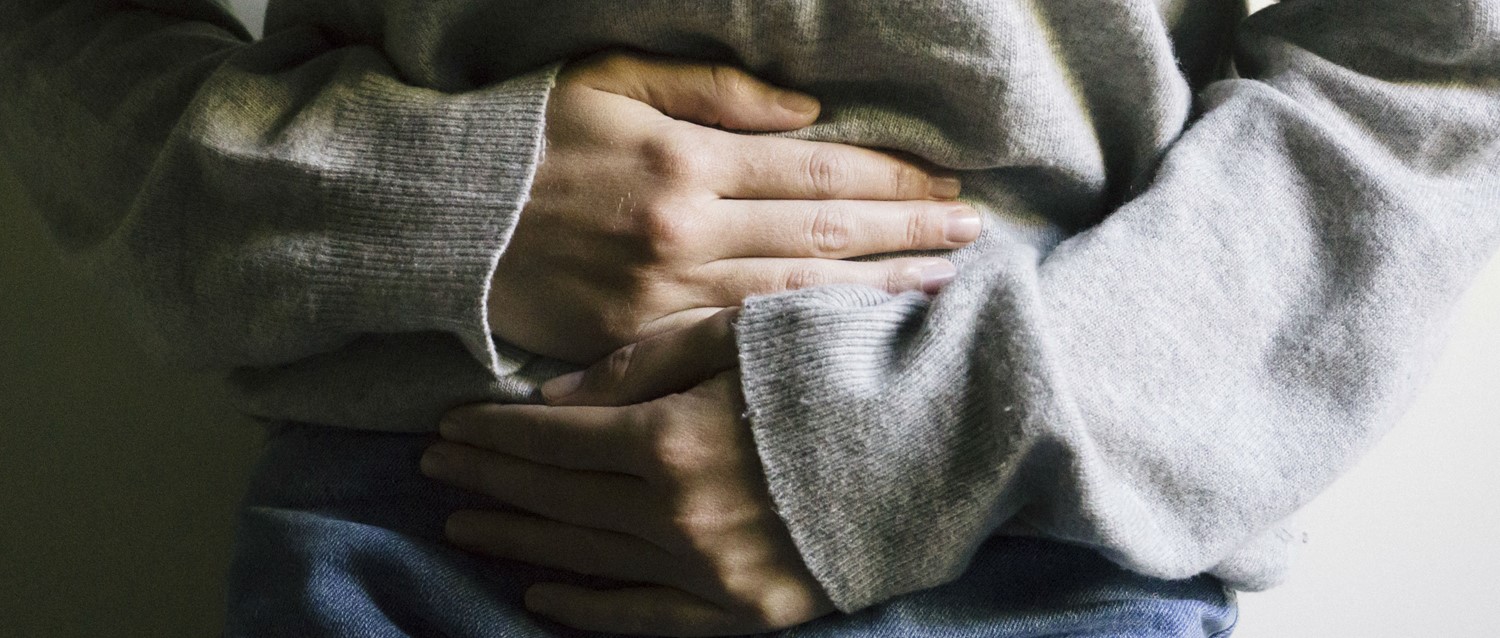
Gallstones are very common: around one in three women and one in six men will get them at some point. However, they don't always cause symptoms - around two in three people who have gallstones don't know they have them. But they are also a common cause of tummy pain. They get more common with age and those who are overweight, smoke, have type 2 diabetes or high cholesterol, take the oral contraceptive pill, or have lost a lot of excess weight in a short amount of time, have an increased risk of gallstones. They can sometimes run in families.
von Dr. Sarah Jarvis
Über den AutorVollständige Biografie anzeigen

Rose Constantine Smith, ANutr
Ernährungsberaterin
BSc (Hons), ANutr
Rose hat für mehrere Publikationen geschrieben, darunter The Healthy Food Guide, und ist Ernährungs- und Wohlfühlmanagerin bei The Good Eating Co.
Über den RezensentenVollständige Biografie anzeigen
Rose Constantine Smith, ANutr
Ernährungsberaterin
BSc (Hons), ANutr
Rose hat für mehrere Publikationen geschrieben, darunter The Healthy Food Guide, und ist Ernährungs- und Wohlfühlmanagerin bei The Good Eating Co.
Artikelverlauf
Die Informationen auf dieser Seite werden von qualifizierten Klinikern begutachtet.
Artikel auch verfügbar in Englisch, Deutsch, Spanisch, Französisch, Italienisch, Portugiesisch, Hindi, Hebräisch, Arabisch, und Schwedisch.
9 Oct 2017 | Neueste Version

Fragen, teilen, verbinden.
Durchsuchen Sie Diskussionen, stellen Sie Fragen und teilen Sie Erfahrungen zu Hunderten von Gesundheitsthemen.

Fühlen Sie sich unwohl?
Bewerten Sie Ihre Symptome online kostenlos
Abonnieren Sie den Patienten-Newsletter
Ihre wöchentliche Dosis klarer, vertrauenswürdiger Gesundheitsberatung - geschrieben, um Ihnen zu helfen, sich informiert, selbstbewusst und in Kontrolle zu fühlen.
Durch das Abonnieren akzeptieren Sie unsere Datenschutzrichtlinie. Sie können sich jederzeit abmelden. Wir verkaufen Ihre Daten niemals.
Mehr zur Verdauungsgesundheit
- Häufige Ursachen von Durchfall
- Morbus Crohn bei Kindern: Wie Sie Ihr Kind unterstützen können
- Sodbrennen in der Nacht: So verbessern Sie die Schlafqualität bei Sodbrennen
- Wie Darmbakterien die Stimmung, Konzentration und Gehirngesundheit beeinflussen
- Wie man diesen Sommer eine Lebensmittelvergiftung vermeidet
- Wie man Reisedurchfall vermeidet
- Wie man Hämorrhoiden loswird
- Wie man Blähungen loswird: Hausmittel, die wirken
- So pflegen Sie Ihre Leber
- Wie man während der Einführungswoche auf seine Leber achtet
- Wie Sie Ihr Sodbrennen an Weihnachten in den Griff bekommen
- Wie man Stuhlinkontinenz behandelt
- Wie man eine Lebensmittelvergiftung zu Hause behandelt
- NeuRohmilch - ist sie wirklich gut für Sie oder nur ein weiterer Wellnesstrend?
- Schlaue Wege, um mehr Ballaststoffe zu essen
- Was macht die Bauchspeicheldrüse?
- Was man bei Sodbrennen essen und vermeiden sollte
- Was verursacht Ihre Schmerzen im Unterbauch?
- Was ist der Zusammenhang zwischen Angst und Darmgesundheit?
- Warum knurrt dein Magen, wenn du nicht hungrig bist?