Does herbal medicine really work?
Peer reviewed by Dr Colin Tidy, MRCGPLast updated by Heather AinsworthLast updated 20 Jul 2026
Meets Patient’s editorial guidelines
- DownloadDownload
- Share
- Language
- Discussion
- Audio Version
- Add to preferred sources on Google
Herbal medicines have been used for centuries to treat a wide range of health conditions. Many people choose them because they're seen as a natural alternative to conventional medicine.
But do herbal medicines actually work - and are they safe to take?
What are herbal medicines?
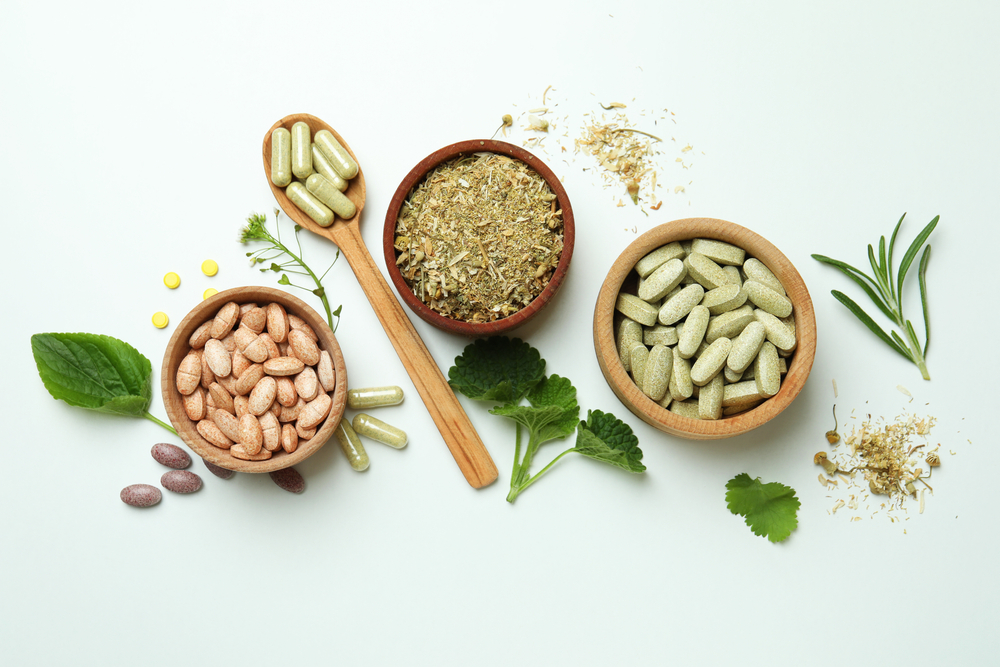
Herbal medicines are a type of complementary and alternative medicine made from plants or plant extracts that are used to prevent, treat, or manage health conditions. They contain active ingredients from parts of plants, such as leaves, roots, flowers, seeds, or bark.
Herbal medicines are also known as herbal remedies or botanical medicines. They can come in many forms, including tablets, capsules, teas, oils, and creams.
Some herbal medicines have been used for centuries as part of traditional medicine, while others have been studied in clinical research to understand how well they work and how safe they are.
Common types of herbal medicine and what they're used for
There are hundreds of herbal medicines available, but some are used far more commonly than others. The most common types and what they are used for are listed below.
Type of herbal medicine: | Commonly used for: |
|---|---|
St John's wort | Mild to moderate depression |
Feeling sick (nausea) and morning sickness | |
Irritable bowel syndrome (IBS) | |
Joint pain and inflammation | |
Stress, anxiety, and sleep | |
Echinacea | Preventing or treating colds |
Ginkgo biloba | Memory and cognitive function |
Red clover | Hot flushes during menopause |
Valerian root | Insomnia and poor sleep |
Rose hip (GOPO) | Pain relief and stiffness in osteoarthritis |
Does herbal medicine actually work?
Research suggests that some herbal medicines may help with certain health conditions. But how effective they are depends on the individual remedy and the quality of the research behind it.
For example, St John's wort may help some people with mild depression, while ashwagandha has shown potential to ease stress and anxiety. Products containing rosehip extract - such as GOPO - could also help relieve osteoarthritis symptoms. However, other commonly used supplements, such as glucosamine, have mixed evidence.
The effectiveness of a herbal medicine also depends on the quality of the product, the dose taken, and the condition being treated.
Which herbal medicines may work?
Some herbal medicines have been studied for their potential benefits in certain health conditions.
These include:
St John's wort - may improve symptoms of mild to moderate depression.1
Ginger - may help relieve nausea, including morning sickness during pregnancy and nausea caused by chemotherapy.2 3
Peppermint oil - may help relieve IBS symptoms such as abdominal pain and bloating.4
Turmeric - may help reduce pain and improve physical function in people with osteoarthritis.5
Ashwagandha - may help reduce stress and anxiety in some people.6
Echinacea - may help prevent and reduce cold symptoms in some people.7
Ginkgo biloba - may provide a small improvement in symptoms for some people with dementia.8
Red clover - may help some menopausal symptoms such as hot flushes and night sweats.9
Valerian root - may improve sleep quality in some people with insomnia.10
Rosehip extract - may reduce osteoarthritis pain and stiffness.11
Is herbal medicine safe?
Many herbal medicines are safe when used correctly, but "natural" doesn't always mean risk-free. Some can cause side effects, interact with prescription medicines, or be unsuitable if you're pregnant, breastfeeding, or have certain health conditions.
Unlike prescription medicines, herbal medicines don't usually have to prove they're effective before being sold. However, in the UK, many products are registered under the Traditional Herbal Registration (THR) scheme, regulated by the Medicines and Healthcare products Regulatory Agency (MHRA).
A THR mark means the product meets quality and safety standards and contains the ingredients listed on the label, but it doesn't prove the herbal medicine works.
Be cautious when buying herbal medicines online, as products from outside the UK may not meet the same standards. Before taking a herbal medicine, speak to your doctor or pharmacist if you take prescription medicines or have any underlying health conditions.
Can herbal medicine interact with prescription medicine?
Some herbal medicines can interact with prescription medicines, making them less effective or increasing the risk of side effects.
Common examples include:
Blood thinners (warfarin) - herbal medicines such as St John's wort, ginseng and ginkgo biloba can affect how well warfarin works, increasing the risk of bleeding or blood clots.
Aspirin - ginkgo biloba may increase the risk of bleeding when taken alongside aspirin.
Decongestants (pseudoephedrine) - green tea supplements may interact with pseudoephedrine and increase the chance of side effects such as a faster heart rate or raised blood pressure.
Other prescription medicines - St John's wort can interact with a wide range of medicines, including some antidepressants, contraceptive pills, heart medicines, and medicines used to treat epilepsy, HIV and cancer. However, it is generally well tolerated in healthy adults.
Before you take any herbal medicine, it's worth checking whether it could interact with your prescribed medication. You can do this by using Patient's drug interaction checker.
Should you choose herbal medicine instead of conventional medicine?
Herbal medicines should not replace conventional medicines, particularly for serious or long-term health conditions. While some herbal remedies may help with certain symptoms, they may not treat the underlying cause of a condition.
The evidence and safety of herbal medicines varies, and some can interact with prescription medicines or affect how well they work. Always speak to your doctor or pharmacist before stopping prescribed treatment or starting a herbal medicine.
How to choose herbal medicine safely
Before trying a herbal medicine, consider the following tips to help reduce your risk of side effects and make an informed choice.
Here are some key things to keep in mind:
Look for the THR mark - this shows the product meets UK quality and safety standards (although this doesn't prove it works).
Buy from reputable retailers - avoid products from unknown sellers or websites, particularly those based outside the UK.
Check the ingredients and dose - make sure you know exactly what's in the product and avoid remedies that don't clearly list their ingredients or dosage.
Research the evidence - look for reliable sources such as Patient.info or MHRA to to find out whether there's good scientific evidence that the herbal medicine works for your condition.
Follow the recommended dose - don't take more than advised as it won't make a herbal medicine more effective and may increase the risk of side effects.
Check for drug interactions - some herbal medicines can interact with prescription medicines, always check with your doctor or use an online drug interaction checker before taking herbal medicines.
Be cautious if you're pregnant, breastfeeding or have a long-term health condition - some herbal medicines aren't suitable in these situations, so seek medical advice before taking them.
Stop taking it if you have side effects - seek medical advice if symptoms are severe.
Be wary of exaggerated claims - if a herbal medicine promises to "cure" multiple conditions or offers guaranteed results, it's unlikely to be supported by good-quality evidence.
Remember that natural doesn't always mean safe.
Summary
Some herbal medicines may help treat the symptoms of certain health conditions, but the evidence varies between remedies.
Their effectiveness depends on the individual medicine, the condition being treated, and the quality of the research behind it.
Herbal medicines can cause side effects and may interact with prescription medicines. Always check with your doctor, pharmacist or a drug interaction checker before taking them.
They should not replace conventional treatments for serious or long-term health conditions without medical advice.
Patient picks for Medicine information
Diet and nutrition
Is mushroom coffee really good for you?
Mushroom coffee has been brewing up a storm in the wellness world. Famed for its potential advantages over regular coffee, mushroom coffee includes a mix of supplemental mushrooms, each claiming to offer distinctive health perks. But what exactly is mushroom coffee? How is it made? And do its benefits live up to the hype?
by Victoria Raw
Diet and nutrition
What is ashwagandha? Health benefits, uses, and side effects
Ashwagandha (Withania somnifera) is a centuries-old herb that’s gaining popularity in today’s wellness world. Also known as Indian ginseng or winter cherry, it’s traditionally been used to help people feel calmer and more energised. Here we look at what it is used for, evidence-backed benefits, and the side effects you should know about.
by Heather Ainsworth
Further reading and references
- Apaydin et al: A systematic review of St. John's wort for major depressive disorder.
- Viljoen et al: A systematic review and meta-analysis of the effect and safety of ginger in the treatment of pregnancy-associated nausea and vomiting.
- Lin et al: Efficacy and Safety of Ginger on Chemotherapy-Induced Nausea and Vomiting
- Alammar et al: The impact of peppermint oil on the irritable bowel syndrome.
- Bideshki et al: The efficacy of curcumin in relieving osteoarthritis.
- Arumugam et al: Effects of Ashwagandha (Withania Somnifera) on stress and anxiety.
- Karsch-Völk et al: Echinacea for preventing and treating the common cold.
- Jiang et al: Ginkgo biloba extract for dementia: a systematic review.
- Kanadys et al: Evaluation of Clinical Meaningfulness of Red Clover (Trifolium pratense L.) Extract to Relieve Hot Flushes and Menopausal Symptoms in Peri- and Post-Menopausal Women.
- Bent et al: Valerian for sleep: a systematic review and meta-analysis.
- Christensen et al:. Does the hip powder of Rosa canina (rosehip) reduce pain in osteoarthritis patients?
About the authorView full bio

Dr Sarah Jarvis
Clinical Consultant
MA (Cantab), BM, BCh (Oxon), DRCOG, FRCGP, MBE
After training in medicine at Cambridge and Oxford, Dr Sarah Jarvis MBE became a GP.
About the reviewerView full bio

Dr Colin Tidy, MRCGP
General Practitioner, Medical Author
MBBS, MRCGP, MRCP (Paediatrics), DCH
Dr Colin Tidy is an NHS Doctor, based in Oxfordshire.
Article history
The information on this page is peer reviewed by qualified clinicians.
Article also available in English, German, Spanish, French, Italian, Portuguese, Hindi, Hebrew, Arabic, and Swedish.
Next review due: 20 Jul 2029
20 Jul 2026 | Latest version
11 Feb 2019 | Originally published
Authored by:
Dr Sarah Jarvis
Join the conversation
Share your thoughts or experiences with others in our patient communities.

Ask, share, connect.
Browse discussions, ask questions, and share experiences across hundreds of health topics.

Feeling unwell?
Assess your symptoms online for free
Sign up to the Patient newsletter
Your weekly dose of clear, trustworthy health advice - written to help you feel informed, confident and in control.
By subscribing you accept our Privacy Policy. You can unsubscribe at any time. We never sell your data.
More in treatment and medication
- Art therapy: creative ways to boost your mental health
- Can a pharmacist prescribe antibiotics?
- Can hair transplants improve mental health?
- Can you have therapy if you don't have a mental health problem?
- Chemical found in cannabis could be more effective than painkillers
- Do beta blockers help with anxiety symptoms?
- Earache relief: medicine and remedies
- Empowering the next generation: St John Ambulance and the Young Responders campaign
- Holiday first aid kit essentials
- How does Mounjaro work for weight loss?
- Is it really reflux? Why you might be mis-prescribed PPIs
- LGBTQI+: what are the barriers and challenges in end of life care?
- Should you give painkillers to children?
- The Stranger Things effect: why nostalgia builds connection and improves our mood
- Understanding EMDR: how can eye movements help process trauma?
- Wegovy FAQs: Common weight loss questions answered
- What happens when you stop taking weight loss injections?
- What is red light therapy? Benefits and risks
- What to expect from your pharmacy consultation
- Who is eligible for weight loss injections?