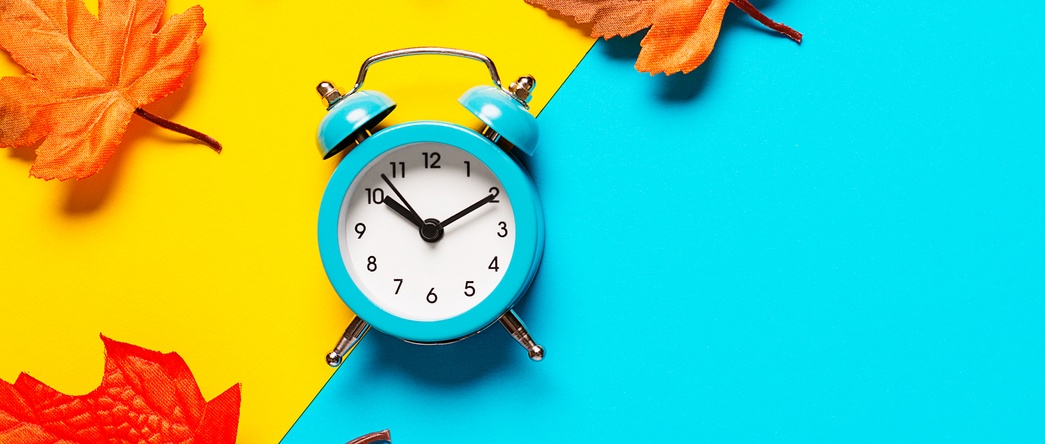
Brauchen Sie im Winter mehr Schlaf?
Begutachtet von Dr Colin Tidy, MRCGPZuletzt aktualisiert von Victoria RawZuletzt aktualisiert 20 Oct 2025
Erfüllt die Anforderungen des Patienten Richtlinien des Patienten
- HerunterladenHerunterladen
- Teilen
- Language
- Diskussion
- Audio-Version
Fühlen Sie sich mitten im Winter schläfrig und träge? Sie sind nicht allein. Wir fragen zwei Schlafforscher, ob man an kälteren, kürzeren Tagen wirklich mehr Ruhe braucht.
In diesem Artikel:
Videoauswahl für Schlaf und Schlaflosigkeit
Lesen Sie unten weiter
What affects our sleep during winter?
When the alarm rings in the morning, and it's still pitch dark and cold outside, many of us find it hard to get out of bed. The long winter months can make us feel weary, and staying energised might be more difficult. Factors such as temperature, and the amount of light we receive during the day in this season may play an important role.
Colder temperatures
When the temperature rises in the summer, sleeping gets challenging as we toss and turn in the sheets and fight to keep the heat at bay. Our body actually needs to cool down for us to fall asleep, so being in a colder environment can be helpful.
Dr Sophie Bostock, The Sleep Scientist, says: "Does this mean that colder weather makes us feel sleepier? Not necessarily - being uncomfortably cold can be an obstacle too.
"The optimal temperature to sleep in, is around 18°C - so cooler than typical room temperature. This means it's often easier to get good-quality sleep in winter than on humid summer nights, just so long as you avoid having the heating on too high."
But winter can also make it more challenging to set up the right environment for rest.
Newcastle-based neurologist and sleep expert Dr Kirstie Anderson explains: "In winter, you get cold during the day, you put the heater on at full capacity in the house, and you may add extra duvets to your bed.
"This can affect your body's cooling system. You may end up struggling to fall asleep to maintain deep sleep, and thus to feel alert during the day."
Winter light
Experts agree that it's actually much more likely that our need to sleep more in winter is associated with the amount of light we are exposed to. The link between our internal body clock that drives our sleep-wake cycle and light has indeed been well established. Also referred to as circadian rhythm, this 'clock' is controlled by a brain region known as hypothalamus, and alternates between sleepiness and alertness at regular intervals.
Lower light intensity means it's time for bed - sending a signal to the brain that it should start preparing the body for sleep - while more light is associated with alertness.
When the brain receives little light - such as in the evening - the brain responds by sending a signal to the body to produce the 'sleep' hormone (Melatonin). This gets your body tired and ready for bed.
In winter, the nights are longer, and we get less light throughout the day and at lower intensity. This limited light exposure helps explain why we may feel like we are more tired and need more sleep. The brain doesn't get the same signal to stay awake and alert as it does in summer during the day.
Anderson says: "If you are sitting at work and getting artificial light all day, the intensity of this light is much lower than that of natural light. Even when it's grey and rainy, you will get more light intensity outside in the middle of the day, than inside in the office. The problem is that people don't go out as much and seek that natural light in winter."
Seasonal affective disorder (SAD)
It's also worth noting that the lower levels of light seen in winter have been linked to saisonale affektive Störung (SAD) - a form of mild-to-moderate depression that arises at this time of the year. People who are affected typically experience lower energy levels and poor mood, but also sleep issues.
How to sleep well during winter
Zurück zum InhaltSo what can you do avoid feeling sleepy during the day in winter and improve your sleep quality? Working on those two factors - light and temperature - can make a massive difference.
Keep your room dark, cool and quiet
"Your bedroom should be dark, cool and quiet, with a light exposure contrasting as much as possible with outside light," advises Anderson. "Avoid screens with artificial light."
Go for a walk
Going for a walk outdoors to get natural light every day - even if it's rainy and foggy - can also help to maintain your energy levels. You can also try using a lightbox when you wake up to kick-start your circadian rhythm. It's also a good idea to maintain the same bedtime and wake-up time.
Ditch the booze
In winter, one of the biggest threats to sleep is actually associated with the festive season. This is because many people go to bed at irregular times and consume more alcohol.
Bostock says: "There's more pressure to drink in the winter because of all these parties. Though in the short term, alcohol behaves like a sedative, the quality of the sleep is disrupted. It leaves us a bit more irritable, and not as productive and alert. So it's all about being moderate, to deal better with this time of the year and improve our sleep."
When to see a doctor about sleep issues
Remember that if you have long-term sleep issues such as insomnia, it's important that beyond these lifestyle changes, you speak directly with your doctor, who can support you. They can potentially refer you to a sleep expert or suggest effective strategies - such as kognitive Verhaltenstherapie, the gold standard for help with better sleep.
Patientenempfehlungen für Schlaf und Schlaflosigkeit
Gesundes Leben
Wie Sie Ihr Schlafverhalten verbessern können
Schlaf ist wichtig für unser Wohlbefinden, und ein Mangel an Schlaf kann alles von der Arbeitsleistung bis zur Immunfunktion beeinträchtigen. Da jeder Fünfte von uns nicht genug Schlaf bekommt, erkunden wir die besten Möglichkeiten, das Schlafverhalten zu verbessern.
von Victoria Raw
Gesundes Leben
Wie man besser schläft
Insomnia is very common - with at least 1 in 3 people having problems sleeping. But simple changes can make a difference to your ability to sleep well. So how do you and your pillow become friends again?
von Amberley Davis
Lesen Sie unten weiter
Artikelverlauf
Die Informationen auf dieser Seite werden von qualifizierten Klinikern begutachtet.
Next review due: 19 Oct 2028
20 Oct 2025 | Neueste Version
7 Jan 2019 | Ursprünglich veröffentlicht
Verfasst von:
Léa Surugue

Fragen, teilen, verbinden.
Durchsuchen Sie Diskussionen, stellen Sie Fragen und teilen Sie Erfahrungen zu Hunderten von Gesundheitsthemen.

Fühlen Sie sich unwohl?
Bewerten Sie Ihre Symptome online kostenlos
Abonnieren Sie den Patienten-Newsletter
Ihre wöchentliche Dosis klarer, vertrauenswürdiger Gesundheitsberatung - geschrieben, um Ihnen zu helfen, sich informiert, selbstbewusst und in Kontrolle zu fühlen.
Mit dem Abonnieren akzeptieren Sie unsere Datenschutzrichtlinie. Sie können sich jederzeit abmelden. Wir verkaufen Ihre Daten niemals.