Your diet and the menopause
Peer reviewed by Dr Colin Tidy, MRCGPLast updated by Lawrence HigginsLast updated 5 Feb 2026
Meets Patient’s editorial guidelines
- DownloadDownload
- Share
- Language
- Discussion
- Audio Version
- Add to preferred sources on Google
Hot flushes are just one of the many symptoms of the menopause, along with mood swings, exhaustion, and weight gain, which can affect your day-to-day life. HRT is an effective treatment for hot flushes, but making changes to your diet may also help ease some of the challenging symptoms too.
Sign up for our free 10-week Menopause course!
Each week, we'll explore different topics to help you better understand and navigate your menopausal journey, including HRT, diet, exercise, and mental health.
By subscribing you accept our Privacy Policy. You can unsubscribe at any time. We never sell your data.
Hot flushes
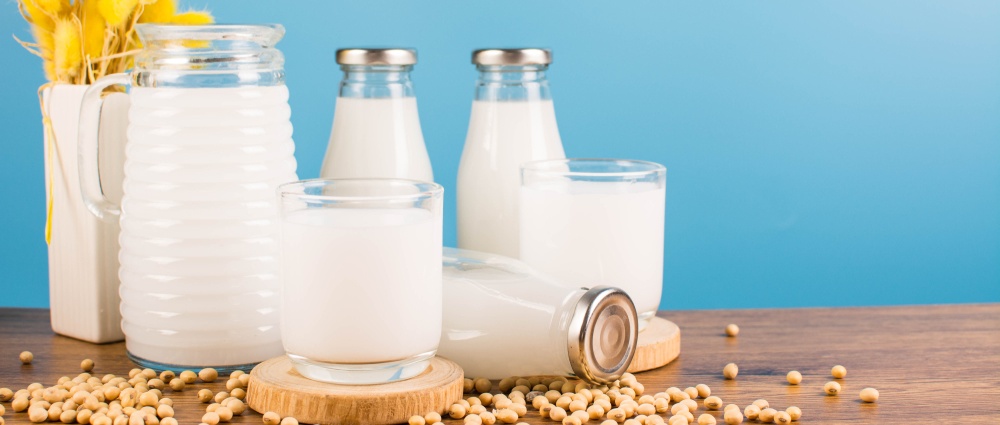
The Japanese have lots of bright ideas where diet is concerned. Obesity and heart disease levels are low in Japan, and much of the credit has been given to their diet. The typical Japanese diet is high in soya in the form of tofu, soya beans, soya milk and other products.
They also eat plenty of oily fish and low levels of saturated fat and refined, sugary foods. Japanese women are less likely to be troubled by hot flushes than their Western counterparts, and increasing your soya intake may help relieve you of them too1.
Seeds - such as linseed, pumpkin, sesame, sunflower seeds - and red clover isoflavones, available as capsules from pharmacists (60-80 milligrams a day) have a similar effect. At the opposite end of the spectrum, spicy foods, coffee and alcohol may trigger hot flushes, so are worth avoiding.
It's also important to keep an eye on your alcohol intake, as research suggests alcohol can increase the risk of breast cancer after the menopause. A diet high in red - particularly processed - meat and saturated fat may also increase your risk.
Mood swings and tiredness
Previously, there was controversy about how much the mood swings, often seen around the menopause, were due to hormone changes, and how much were down to other life stresses seen around this age. But there's no doubt now that mood swings can be part of menopause and keeping your blood glucose (sugar) stable can reduce irritability and counter sudden tiredness.
Keep chocolate and sugary foods for occasional treats and eat 'slow-burn' foods to avoid sudden spikes and dips in your blood sugar. Go for unrefined carbohydrates - wholegrain and wholemeal - nuts and seeds, and whole fruit rather than fruit juice can help keep blood sugar steady.
Foods high in tryptophans can make it easier for your body to manufacture serotonin - a brain chemical linked to protection from depression. Turkey is the classic source, but if you don't want Christmas dinner every day, try oats, root vegetables, and cottage cheese.
Weight gain
You are likely to gain weight following menopause. Being overweight can increase the risk of type 2 diabetes and increases your risk of breast cancer.
The key to avoiding weight gain isn't crash diets - it's sustainable changes to your diet. Key elements include:
Managing your portion sizes. Eating from smaller plates, not eating on the go, drinking a glass or two of water and eating 'mindfully' can all help.
Filling your plate with vegetables before you add more calorie-loaded foods.
Eating wholegrain and wholemeal 'complex carbohydrates' as well as proteins - from lean white meat, tofu, eggs, seeds - which help keep you full and prevent food cravings from sudden drops in blood sugar.
Limiting sugary and processed foods.
Heart disease
Your risk of heart disease goes up after the menopause, which may be linked to lower levels of the female hormone oestrogen. A Mediterranean-style diet has been shown to protect you.
Thinning bones
Menopause speeds bone loss and increases the chance of osteoporosis. Vitamin D is vital for bone health, and up to 90% of our vitamin D is made in our skins when we're exposed to sun. Oily fish, eggs and fortified cereals can help increase your vitamin D intake. An alternative is a 10 microgram (400 units) daily supplement - which the government recommends most people should take every day in the autumn and winter months.
Calcium is also a key building block for bones and you should try to up your intake after the menopause. Aim for three portions a day of dairy, from cow's milk or alternatives with added calcium, cottage cheese, yoghurt, tinned fish, tofu and seeds.
Patient picks for Menopause and HRT

Hormones
What is postmenopausal depression?
It's all change in your fifties. The kids have fled the nest, you're starting to make plans for retirement, and chances are if you're a woman you're also going through the menopause. All too often, it's also a time when mood swings and depression strike for females. How can women know whether it's 'just' the menopause or something more?
by Dr Sarah Jarvis
Hormones
How long do the symptoms of menopause last?
Hot flushes, night sweats, mood swings, vaginal dryness, weight gain - they've all been linked to the menopause. But how do you know what's in store and how can you stop your symptoms from interfering with your life?
by Heather Ainsworth
About the authorView full bio

Dr Sarah Jarvis
Clinical Consultant
MA (Cantab), BM, BCh (Oxon), DRCOG, FRCGP, MBE
After training in medicine at Cambridge and Oxford, Dr Sarah Jarvis MBE became a GP.
About the reviewerView full bio

Dr Colin Tidy, MRCGP
General Practitioner, Medical Author
MBBS, MRCGP, MRCP (Paediatrics), DCH
Dr Colin Tidy is an NHS Doctor, based in Oxfordshire.
Article history
The information on this page is peer reviewed by qualified clinicians.
Article also available in English, German, Spanish, French, Italian, Portuguese, Hindi, Hebrew, Arabic, and Swedish.
Next review due: 5 Feb 2029
5 Feb 2026 | Latest version
18 Dec 2017 | Originally published
Authored by:
Dr Sarah Jarvis
Join the conversation
Share your thoughts or experiences with others in our patient communities.

Ask, share, connect.
Browse discussions, ask questions, and share experiences across hundreds of health topics.

Feeling unwell?
Assess your symptoms online for free
Sign up to the Patient newsletter
Your weekly dose of clear, trustworthy health advice - written to help you feel informed, confident and in control.
By subscribing you accept our Privacy Policy. You can unsubscribe at any time. We never sell your data.
More in hormones
- Are you going through the perimenopause?
- Could your 'morning dread' be a sign of perimenopause?
- High cortisol: symptoms, causes, and tests
- How menopause can affect women at work
- How PCOS affects your mental health
- How to ease your perimenopause symptoms
- How to lower cortisol levels: 10 proven ways
- Living with HRT
- Menopause - the questions to ask
- New insight into breast cancer risk after stopping HRT
- Surprising facts about thyroid problems
- Testosterone can boost sexual desire after menopause
- Video: How do you know you're going through the menopause?
- Video: How much does PCOS affect fertility?
- What are the signs HRT is not working anymore?
- What HRT did for me
- What it's like to go through the menopause when you have HIV
- What you need to know about testosterone and menopause
- What's behind the HRT shortage in the UK?
- What's the link between PCOS and diabetes?