How to cope with climate change anxiety
Peer reviewed by Dr Sarah JarvisLast updated by Milly EvansLast updated 6 Aug 2019
Meets Patient’s editorial guidelines
- DownloadDownload
- Share
- Language
- Discussion
- Audio Version
- Add to preferred sources on Google
Campaigns from charities, worldwide protests and research into the effects of human activity are gripping the media and bringing attention to the climate crisis. But if it's leaving you anxious, you are not alone.

It seems like every day there is a new study or big headline on the effects of climate change. Whilst increased awareness is critical to reversing and halting it, the constant coverage of the climate crisis can make us feel scared, stressed and depressed.
For some people, the feelings of hopelessness, anxiety and fear can manifest themselves as 'eco-anxiety', as detailed in an American Psychological Association report on mental health and climate change in 2017.
One survey commissioned by The Recycling Partnership found that 96% of respondents were worried about climate change to some degree, with one in four admitting that it is their biggest fear. In one case, a viral academic paper scared people so much that it reportedly caused people to go into therapy, quit their jobs and move out of the city.
With seemingly nothing but bad news coming our way, how can we feel more positive and care for our mental health in the age of climate anxiety?
Talk about it
There's currently no specific treatment for climate anxiety and it's not currently included in the official list of mental disorders, but that doesn't mean that it's not worth seeking professional help if it's taking over your life. Many people who have eco-anxiety and obsess over climate change already deal with anxiety in other areas of their lives.
"It is possible for anxiety to be experienced around many different issues, of which climate change could play a role," explains Nicky Lidbetter, CEO of Anxiety UK. "People may also worry about their role in climate change as well as having further worries and fears related to climate change. This is however more likely to be linked to a pre-existing anxiety condition as opposed to being sufficient such as to warrant being categorised as an anxiety disorder in its own right.
"Cognitive behavioural therapy (CBT) is a popular treatment for anxiety as it teaches you coping mechanisms to manage anxiety and fears. One of the most effective ways to manage anxiety is through gaining access to evidence-based tools and techniques through undertaking a course of psychological therapy such as CBT."
Hilda Burke, spokesperson for the UK Council for Psychotherapy (UKCP), psychotherapist, couples counsellor and author of The Phone Addiction Workbook, has noticed more people with climate anxiety coming into therapy.
"Concern and anxiety over the environment is increasingly a topic brought into my therapy room. Recently a client became quite distressed when she spoke about the consumption habits of her colleagues - lunches bought encased in plastic, carried back in plastic bags and then dumped into the bin with nothing recycled. She apologised for being 'so dramatic'. But I consider her response entirely understandable. It's just her consciousness and awareness of the impact of our consumer habits on our planet. Unlike other anxieties a client may have which are based in unfounded fears, eco-anxiety is rooted in factual data about the deterioration of our planet."
The feeling of being alone in the face of a seemingly impossible task tends to cause the anxiety to spiral, she explains. "The anxiety can often turn to despair and a sense that as one single individual it's impossible to make a difference and therefore the person feels stuck and useless. This is a psychological state known as 'learned helplessness', a state which develops when a person has accepted that they have no control over a situation and thus gives up trying."
Since many people with eco-anxiety can find themselves imagining the worst-case scenarios of climate change and feeling personally guilty, developing a more proactive approach to therapy can help. Talking through your fears and coming up with coping strategies to manage both the current fears and the hypothetical outcomes of climate disaster can help you to handle your anxiety in day-to-day life. For example, you may be encouraged to think about and create an emergency plan for a hypothetical weather disaster scenario so that you can feel prepared.
Not everyone has access to a therapist, or they may feel that their experience of eco-anxiety isn't severe enough to warrant professional help. Talking with friends and family can help to relieve stress and stop you from keeping it bottled up. It can help you to relieve your frustration and have spiralling thoughts rationalised by others. You can even do this online with social media so that you can speak to people in a similar situation.
Take action
Some people find that their paralysing anxiety is relieved by action. In fact, Burke suggests that her patients manage their anxiety by getting involved in movements to prevent environmental problems.
"As a therapist, I encourage the client feeling anxious about the environment to listen to their anxiety, to hear it out, and explore ways they could get involved to shape change, whether it's joining an action group or just becoming more conscious of how they can personally act in a way that helps the planet. Doing this can help the client feel more empowered and less 'stuck' in their anxiety. Taking steps - however small - to affect change can help to ease their sense of helplessness."
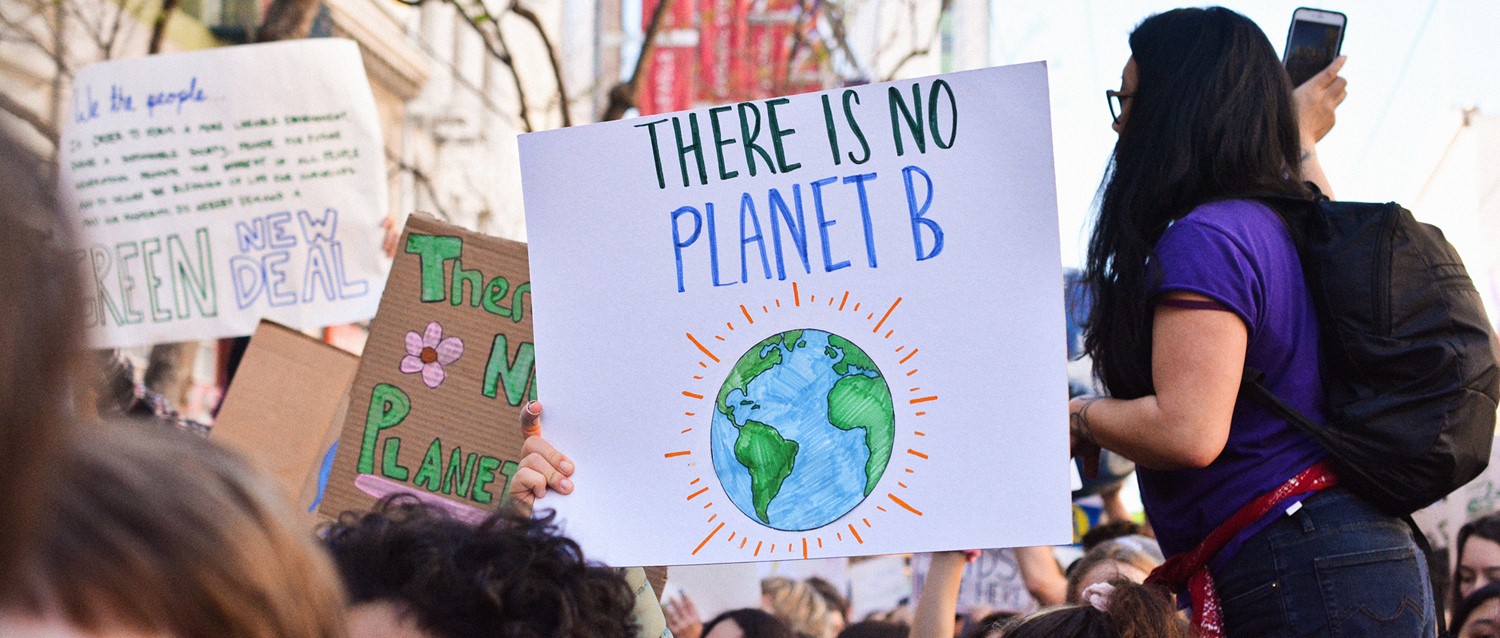
Getting involved in protests, campaign groups or even just making small environmentally friendly changes to your own life can help you feel that you are doing your bit. Often it has the added benefit of surrounding you with communities of people who feel the same anger and frustration as you and channel it into productivity.
This climate activism can be done in many ways, which don't even necessarily involve you leaving your house. Writing, creating art and sharing on social media can all be therapeutic ways of letting your fears out. Some people might prefer to join protests and campaign groups or get involved in petitions and letter writing. However, it is important not to allow this to consume your life - that could make your anxiety worse.
Switch off
If 24-hour news and social media coverage is making you anxious every time you go on your phone or turn on the TV, switching off for a while or avoiding it completely can reduce key triggers. Even restricting the hours when you can look at climate change-related content could help you sleep better and put you in a better mood during the day, especially if you avoid it first thing in the morning or late at night.
This doesn't mean that you're ignoring the problem completely but it allows you to better handle the news that you choose to see. On some platforms you can also mute social media accounts or keywords which cause you to feel anxious so that you only dip in when you choose to.
Look after yourself
It is easy to feel isolated and overwhelmed when dealing with the enormity of a topic like climate change. However, you are certainly not alone in your fears, and that collective worry is causing change and sparking movements.
It might feel impossible at times but taking time to breathe and do things you enjoy can help to relieve your anxiety and make you feel motivated, even temporarily.
"Mindfulness is a useful strategy that when practised on a regular basis can lead to increased feelings of well-being and relaxation," suggests Lidbetter.
Maintain a healthy sleep routine, eat a balanced diet and engage in exercise to boost your overall happiness and make anxiety easier to cope with. Very few people will be able to deal with their mental health well when they aren't taking care of their body's needs.
Patient picks for Anxiety

Mental health
Does hypnotherapy work for anxiety?
Treatments for anxiety are available on the NHS but waiting lists for talking therapies can be long, so many people look to other options. Could clinical hypnotherapy for anxiety be helpful for those with the condition?
by Natalie Healey

Mental health
Can magnesium help with anxiety?
TikTok is full of claims over the health benefits of magnesium, including that it can help relieve anxiety - something many of us struggle with, especially around Christmas. As anxiety is so common, it's understandable that people turn to different methods to deal with it. But are the claims made on social media backed by science?
by Lydia Smith
About the authorView full bio

Milly Evans
Editor
Milly writes on a range of health topics, with a particular interest in health inequality and sexual health.
About the reviewerView full bio

Dr Sarah Jarvis
Clinical Consultant
MA (Cantab), BM, BCh (Oxon), DRCOG, FRCGP, MBE
After training in medicine at Cambridge and Oxford, Dr Sarah Jarvis MBE became a GP.
Article history
The information on this page is peer reviewed by qualified clinicians.
Article also available in English, German, Spanish, French, Italian, Portuguese, Hindi, Hebrew, Arabic, and Swedish.
6 Aug 2019 | Latest version
Join the conversation
Share your thoughts or experiences with others in our patient communities.

Ask, share, connect.
Browse discussions, ask questions, and share experiences across hundreds of health topics.

Feeling unwell?
Assess your symptoms online for free
Sign up to the Patient newsletter
Your weekly dose of clear, trustworthy health advice - written to help you feel informed, confident and in control.
By subscribing you accept our Privacy Policy. You can unsubscribe at any time. We never sell your data.
More in mental health
- Breaking the stigma of mental health
- Can hugging be good for your health?
- Can stress cause vertigo?
- How borderline personality disorder affects your life
- How gut bacteria affect mood, focus and brain health
- How to be a calm parent when you're stressed
- How to be happy: 12 everyday tips
- How to gain weight after having an eating disorder
- How to manage your mental health if you've been made redundant
- How to overcome a fear of flying
- How to stop worrying about things you can't change
- Pearson syndrome: how one family learned to live in the present
- What is 'good mental health'?
- What working overtime is really doing to your health
- What's the link between anxiety and gut health?
- When can procrastinating be healthy?
- Which foods can reduce your stress and anxiety?
- Why do we use dark humour as a coping mechanism?
- Why new year's resolutions fail - and what you can do about it