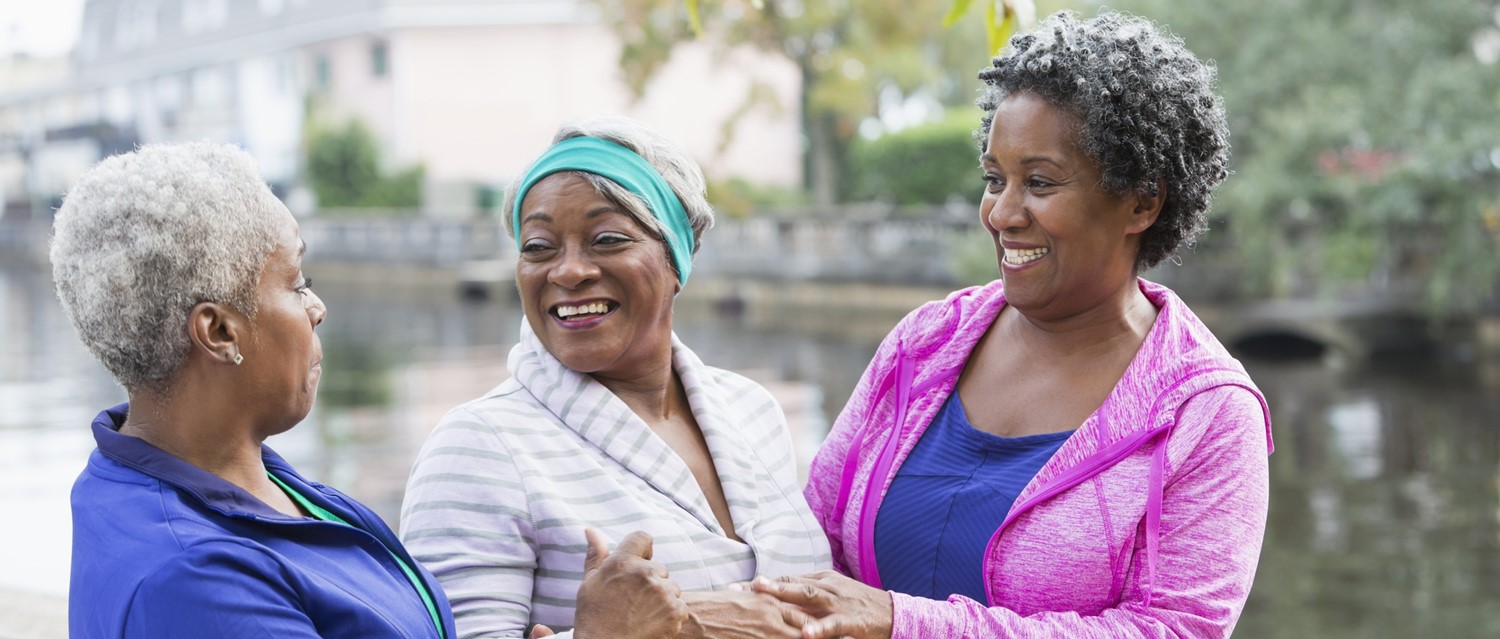
How to tackle poor body image in older women
Peer reviewed by Dr Sarah JarvisAuthored by Lydia SmithOriginally published 22 Nov 2020
Meets Patient’s editorial guidelines
- DownloadDownload
- Share
- Language
- Discussion
- Audio Version
- Add to preferred sources on Google
We're often told that with age comes confidence and that as we grow older, we will feel more self-assured and comfortable in our own skin. In reality, though, women of all ages can struggle with poor body image, particularly as we age.
Mental health support for adults and children
Online CBT and psychological therapy for adults and children aged 8–17. Onebright’s accredited clinicians support people experiencing anxiety, depression and other emotional challenges.
The relationship we have with our self-esteem can be a tricky one. Some days you feel great, but at other times, you are your own worst enemy.
Popular opinion suggests that poor body image is a problem most acutely felt by teenagers and millennials - in part, because they have grown up with the damaging effects of social media - but this isn't always the case.
Research shows women over 40 face a myriad of factors which influence the way they feel about their appearance, from seeing their bodies change, to feeling under pressure to rid themselves of lines or grey hairs.
"As I've got older, I actually feel less confident about the way I look," says Jane*, 41. "I'm confident when it comes to my work and other aspects of my life, but I feel more conscious of my weight and lines on my face. I'm also busy working and looking after my family, so it's difficult to make time for self-care."
Why does body image change as we age?
Andrea Huttly, a psychotherapist, eating disorder therapist and service manager at Priory Arthur House, a residential service in south-west London for clients with eating disorders, explains that having a negative body image is a common problem among women as they grow older.
She says there are three main factors that can impact the way women experience their bodies in later life: ageing, life stages and the underrepresentation of older women in the media.
"As we go through life, our bodies experience constant change, which means that the way we see ourselves, and the relationship we develop with our bodies, will also change - and adjust - to the new you," Huttly explains.
Over time, our bodies go through hormonal, physiological, psychological and environmental transformations that can impact our relationships with our bodies. We go through puberty, pregnancy, changes in family dynamics, menopause, retirement, health problems and more. In particular, menopausal symptoms such as hot flushes, low libido, vaginal dryness and night sweats can alter how we feel about ourselves.
"All these pivotal points in our lives will have an impact on our overall well-being, ability to manage stress, self-esteem and our perception of ourselves, which of course includes the bodies that we live in," Huttly says.
Societal ideals of beauty
Often, beauty is equated with youthfulness and thinness in our society. Models in magazines, newspapers and adverts are often young and slim, which alters our perception of what beauty is supposed to be. Even the phrase 'anti-ageing' on cosmetic products reinforces the message that ageing is a condition we should be fighting.
"Underrepresentation of beauty at any age in the media and an emphasis on the 'young ideal' can leave women feeling unable to meet expectations," Huttly says. "In turn, this can cause high levels of stress and anxiety. It can make women feel undesirable, and there is a risk of them 'disconnecting' from their own body."
Paradoxically, though, women also face added pressure to 'act their age' - and failing to fit into these narrow parameters can contribute to our insecurities.
"It simply makes women feel a lot of pressure and as if they cannot win. Women have to walk this fine line between the two concepts and find the perfect balance," Huttly explains. "If they dress to look 'youthful', women are often judged for trying too hard. If they 'act their age', they can be unfairly judged as being boring. Society does not give women enough room to express themselves but instead puts many unrealistic demands on them."
Ultimately, this can negatively affect our sense of who we are and our ability to feel attractive. "This can make women feel overwhelmed or that they are constantly failing," Huttly says. "Overall, it is a contributing factor to increased body image negativity, which can lead to low self-esteem, self-harm, anxiety and depression."
How to improve your body image
Accepting yourself and developing a positive body image isn't a simple task. However, there are steps we can take to help us understand our bodies and improve how we treat ourselves.
See beauty ideals for what they are
The first step is to accept that this is a long journey and that the way we see our bodies will not change overnight. "We need to deconstruct the 'beauty ideal' that society is selling us. It is unrealistic and unachievable in many cases," Huttly says.
Have a think about what beauty means to you and where these thoughts come from. "Are these beliefs yours or what you heard from others as you were growing up?" Huttly says. "What thoughts come to mind when you think about your body as a whole, or specific parts of your body? How can you challenge those thoughts and reframe them?"
Practise gratitude
For all of our perceived 'faults', our bodies do incredible things every day. Practising gratitude can help us recognise and appreciate these things more. Think about your abilities, skills and achievements and how your body has helped you fulfil these.
"Have positive messages around your mirror or anywhere in your room or house," Huttly says. "Always be patient and gentle with yourself."
Seek professional help
If body image concerns are having a seriously negative impact on your day-to-day life, it's worth making an appointment with your GP. Your doctor will be able to advise on the best course of action to help you, which may be a form of therapy or medication.
Talking therapies such as cognitive behavioural therapy (CBT) may be recommended for poor body image. This can help you manage symptoms such as constantly worrying about your appearance by helping you identify triggers and altering the way you think.
Cut down on social media
Social media can also be problematic for our body confidence. Whether it's fitness gurus on Instagram or carefully curated photos of friends on Facebook, we are constantly invited to compare and critique ourselves against others.
Spending less time on social media reduces the opportunity to compare yourself with others. You don't have to delete your accounts, but limit the time you spend scrolling instead.
Have a good support network
It's important not to suffer in silence. Surrounding yourself with supportive friends or family who you can talk to about worries or concerns is essential. And if you do struggle with poor body image, it's helpful to remember that you aren't alone.
Patient picks for Anxiety
Mental health
The link between anxiety and insomnia
Not being able to sleep, whether it's not being able to fall asleep or waking up throughout the night, is incredibly frustrating - but the feeling of anxiety that often accompanies it can be debilitating too. Insomnia is often attributed to anxiety, as many of us brood on worries in the quiet of night. In turn, sleeplessness makes us exhausted, irritable and foggy, which can make anxiety during the day worse. So what is the relationship between the two - and which triggers the other?
by Lydia Smith
Mental health
What to do when the news is making you anxious
Whether we're worried about politics, concerned about crime or feel helpless hearing about natural disasters, many of us have experienced worry when watching or reading the latest news.
by Gillian Harvey
About the authorView full bio

Lydia Smith
Feature writer
BA, MA, MSc
Lydia Smith is an award-winning journalist and feature writer who has written extensively on women's health and mental health. She is currently studying for an MSc in psychology.
About the reviewerView full bio

Dr Sarah Jarvis
Clinical Consultant
MA (Cantab), BM, BCh (Oxon), DRCOG, FRCGP, MBE
After training in medicine at Cambridge and Oxford, Dr Sarah Jarvis MBE became a GP.
Article history
Article also available in English, German, Spanish, French, Italian, Portuguese, Hindi, Hebrew, Arabic, and Swedish.
22 Nov 2020 | Originally published
Authored by:
Lydia SmithPeer reviewed by
Dr Sarah Jarvis
Join the conversation
Share your thoughts or experiences with others in our patient communities.

Ask, share, connect.
Browse discussions, ask questions, and share experiences across hundreds of health topics.

Feeling unwell?
Assess your symptoms online for free
Sign up to the Patient newsletter
Your weekly dose of clear, trustworthy health advice - written to help you feel informed, confident and in control.
By subscribing you accept our Privacy Policy. You can unsubscribe at any time. We never sell your data.
More in mental health
- NewAdam Smith on mindfulness, mental health, and diabetes
- Bipolar disorder, public figures, and the line between explanation and accountability
- Building healthier habits with Holly Health
- Can magnesium help with anxiety?
- How peer support can help boost your mental health
- How to deal with negative body image in the summer
- How to get over gym anxiety
- Let’s talk about dating app burnout
- Managing grief during your first Christmas without a loved one
- Not quite 'back to normal': a guide to post-pandemic family healing
- Protecting your mental health during fertility treatment
- Redefining work-life balance: what is the Quiet Quitting movement?
- Transform your sleep: a guide to overcoming stress dreams
- Understanding EMDR: how can eye movements help process trauma?
- Video: Can stress cause a miscarriage?
- What is forest bathing and can it improve your health?
- UpdatedWhat is Swedish death cleaning and how can it benefit you?
- What triggers eating disorders in men?
- Why do I feel depressed in the New Year?