
Wirken natürliche Erkältungsmittel?
Begutachtet von Dr Colin Tidy, MRCGPZuletzt aktualisiert von Lynn StephenZuletzt aktualisiert 23. Jan. 2026
Erfüllt die Anforderungen des Patienten Richtlinien des Patienten
- HerunterladenHerunterladen
- Teilen
- Language
- Diskussion
- Audio-Version
This winter many of us find ourselves fighting off well-known cold symptoms, including a sore throat, a runny nose, coughing, and blocked sinuses. We explore the natural cold remedies you can use at home - and ask how well they work.
In diesem Artikel:
Videoauswahl für Virale Infektionen
Whilst a Erkältung can leave you feeling under the weather, you can usually treat it at home without seeing a doctor.
Advice from the National Institute for Health and Care Excellence (NICE) and Public Health England (PHE) advises the public to buy self-care products from the pharmacy, instead of expecting Antibiotika - as these are of no use for common colds because they don't kill viruses.
Lesen Sie unten weiter
Natural cold remedies
Dr Sara Kayat, GP, says that when it comes to natural cold remedies, there's lots of anecdotal advice out there about how to manage colds.
"Some remedies do have a medical basis to them, and others less so," she says.
So, what natural cold remedies do we tend to reach for, and is there any evidence that they work?
Echinacea
This herbal remedy has traditionally been the treatment of choice for treating colds over the winter months. It is believed that the herb boosts the immune system by increasing white blood cells which fight infections and reduces many of the symptoms of a cold. However, Kayay explains that the evidence is mixed as to whether it works.
For example, one review of 16 trials found that some showed that echinacea may reduce the length of time colds last and relieve symptoms - while others showed it did not work.1 However, a more recent, smaller study looking at echinacea tablets in children found them to shorten the length of colds.2
Kayat adds: "More robust research is needed before the effects of echinacea on preventing or treating colds can be concluded."
Honey and lemon
Lemon and honey may work in a number of ways.
"Firstly, you are taking in fluids, which is important when you are ill," says Kayat. "Secondly, you are also getting Vitamin C from the lemon. Several studies show that vitamin C can reduce the duration and severity of a common cold.
"Thirdly, the honey may offer a boost of energy and a soothing element for a Halsschmerzen."
She adds that honey is also thought to have antibacterial properties, although this may not be helpful in a viral infection. If you heat the lemon and honey, the steam may also offer some help in reducing the congestion.
Ingwer
Ginger has been used for medicinal purposes for centuries and is thought to soothe many ailments due to its active compounds, which include gingerols and shogaols. Studies have shown that these compounds have anti-inflammatory and pain-relieving properties, which may help reduce symptoms, including a sore throat.
"Ginger does have some anti-inflammatory properties, which may help with the symptoms of the common cold," advises Kayat.
Knoblauch
In theory, garlic has antimicrobial and antiviral properties that may help the immune system fight viral infections and relieve the common cold. However, according to Kayat, the evidence for the use of garlic in managing a cold is limited.
If you have a bleeding disorder, take blood thinning medicine, or are pregnant then garlic supplements should be avoided because it may increase the chance of bleeding.
Zinc
Zinc is an essential mineral which your body doesn't make on its own. There is some evidence to suggest that taking zinc within 24 hours of a cold starting will reduce its duration and severity.
Dr Riccardo Di Cuffa, GP, says that if you have a healthy balanced diet then additional zinc should not be required.
"Foods rich in zinc include nuts, seeds, eggs, dairy products such as cheese, meat, and whole grains," he says. "Too much zinc can be harmful so be careful with supplements as some people report unpleasant side-effects."
Menthol
Menthol, which is included in many over-the-counter-medicines, is the essential oil that comes from mint plants. Di Cuffa advises that there is limited medical evidence that menthol is effective at easing congestion. Some people do find it relieves blocked sinuses and congested airways making you more comfortable and able to breathe more freely.
He says: "It can be applied to your skin or pillow with a rub purchased from pharmacists or inhaled via a humidifier or hot water steam inhalation over a sink, by adding a few drops of essential oil.
"But don't apply essential oils directly to your skin as they can irritate and cause a reaction."
Vitamin D
There is evidence to suggest that vitamin D is useful for preventing a cold. Di Cuffa explains that your body gets vitamin D from certain foods - such as eggs, oily fish and red meat - and from skin exposure to sunlight. However, levels in most foods are low, and vitamin D formation in the skin doesn't happen in the UK between October and April, as the sun isn't strong enough.
Di Cuffa says: "The evidence is not conclusive, but vitamin D may help with a cold as a good immune system support. It’s generally agreed that most people should get enough vitamin D from their diets in the spring and summer months, but that you should take a supplement during the autumn and winter months in the UK."
If you're concerned, speak to your doctor to get advice. Certain groups, including pregnant women, over-65s, and anyone who is housebound or who covers up for religious reasons, should take a supplement all year round.
Probiotics
Probiotics can have health benefits during periods of illness and can help keep your gut healthy.
Di Cuffa explains that your immune system is linked to your gut, so a healthy gut will generally mean a healthier immune system.
He explains: "Probiotics are live bacteria that can be found in yoghurt and other fermented foods - for example, pickle, kefir and some cheeses."
You can also buy a wide variety of probiotic supplements.
Speeding up your recovery when you're under the weather
Zurück zum InhaltAccording to Kayat, the best way to manage a common cold is to let it run its course.
"If you need to rest, rest," she says. "But if you feel well enough to get up and go for a walk, there is evidence to suggest that light Bewegung may boost your immune system."
She recommends staying hydrated by drinking plenty of water. A balanced diet, and foods high in antioxidants such as vitamin C and omega 3, will also boost your immune system.
Patientenempfehlungen für Virale Infektionen
Infektionen
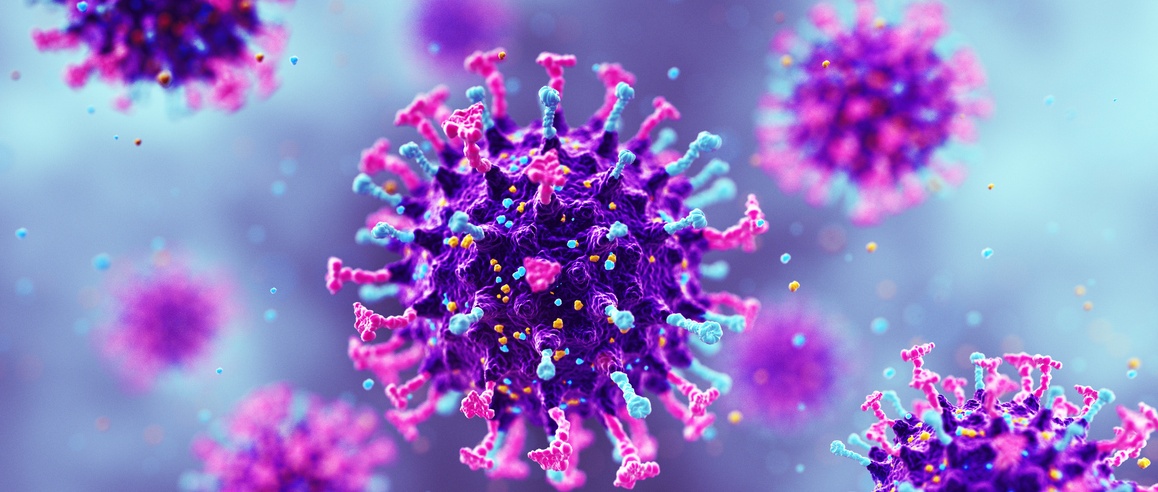
Was ist HMPV und sollten wir uns Sorgen machen?
Wenn Sie in letzter Zeit bemerkt haben, dass ein Virus namens HMPV in Ihren Nachrichten-Feeds auftaucht, liegt das wahrscheinlich an einem kürzlichen Anstieg der Infektionen. Diese Fälle neigen dazu, im Winter und frühen Frühling zuzunehmen, was jetzt der perfekte Zeitpunkt ist, um informiert zu bleiben. Hier ist ein kurzer Überblick über HMPV, seine Symptome und ob Sie sich Sorgen machen sollten.
von Victoria Raw
Gesundheit von Kindern
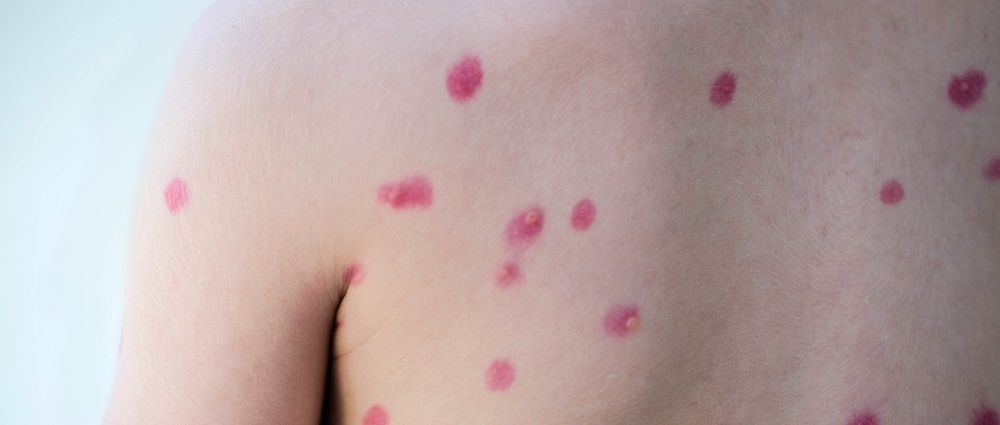
Sollte Ihr Kind die Windpocken-Impfung erhalten?
Viele von uns erinnern sich daran, als Kind Windpocken gehabt zu haben. Die juckenden roten Flecken waren fast unmöglich nicht zu kratzen, aber das Kratzen konnte zu Narben führen. Um den Juckreiz zu lindern, übergossen uns die Eltern mit Calamin-Lotion und Haferflockenbädern. Aber jetzt, anstatt das Virus zu bekommen, um Immunität zu erlangen, gibt es einen anderen Weg, den Eltern wählen können - die Windpocken-Impfung.
von Lydia Smith
Weiterführende Lektüre und Referenzen
- Linde K, Barrett B, Wolkart K, et al; Echinacea for preventing and treating the common cold. Cochrane Database Syst Rev. 2006 Jan 25;(1):CD000530. doi: 10.1002/14651858.CD000530.pub2.
- Weishaupt R, Bachler A, Feldhaus S, et al; Safety and Dose-Dependent Effects of Echinacea for the Treatment of Acute Cold Episodes in Children: A Multicenter, Randomized, Open-Label Clinical Trial. Children (Basel). 2020 Dec 15;7(12):292. doi: 10.3390/children7120292.
Lesen Sie unten weiter
Artikelverlauf
Die Informationen auf dieser Seite werden von qualifizierten Klinikern begutachtet.
Nächste Überprüfung fällig: 23. Jan. 2029
23. Jan. 2026 | Neueste Version
22 Oct 2019 | Ursprünglich veröffentlicht
Verfasst von:
Karen Gordon

Fragen, teilen, verbinden.
Durchsuchen Sie Diskussionen, stellen Sie Fragen und teilen Sie Erfahrungen zu Hunderten von Gesundheitsthemen.

Fühlen Sie sich unwohl?
Bewerten Sie Ihre Symptome online kostenlos
Abonnieren Sie den Patienten-Newsletter
Ihre wöchentliche Dosis klarer, vertrauenswürdiger Gesundheitsberatung - geschrieben, um Ihnen zu helfen, sich informiert, selbstbewusst und in Kontrolle zu fühlen.
Mit dem Abonnieren akzeptieren Sie unsere Datenschutzrichtlinie. Sie können sich jederzeit abmelden. Wir verkaufen Ihre Daten niemals.