Ist Blähungen normal und was verursacht sie?
Fachlich geprüft von Dr Sarah JarvisVerfasst von Emily Jane BashforthUrsprünglich veröffentlicht 6. Jan 2022
Entspricht den redaktionellen Richtlinien
- HerunterladenHerunterladen
- Teilen
- Language
- Diskussion
- Audio-Version
- Zu bevorzugten Quellen bei Google hinzufügen
Blähungen können unangenehm sein und dazu führen, dass Sie sich fragen, ob das normal ist oder nicht. Tatsächlich gibt es mehrere Gründe, warum Ihr Bauch aufblähen könnte: Einige davon sind natürlich und können durch Änderungen im Lebensstil behoben werden, andere könnten jedoch Anlass zur Sorge sein. Lassen Sie uns untersuchen, warum Blähungen auftreten und wann Sie Ihren Arzt konsultieren sollten.
Was ist Blähungen und warum treten sie auf?
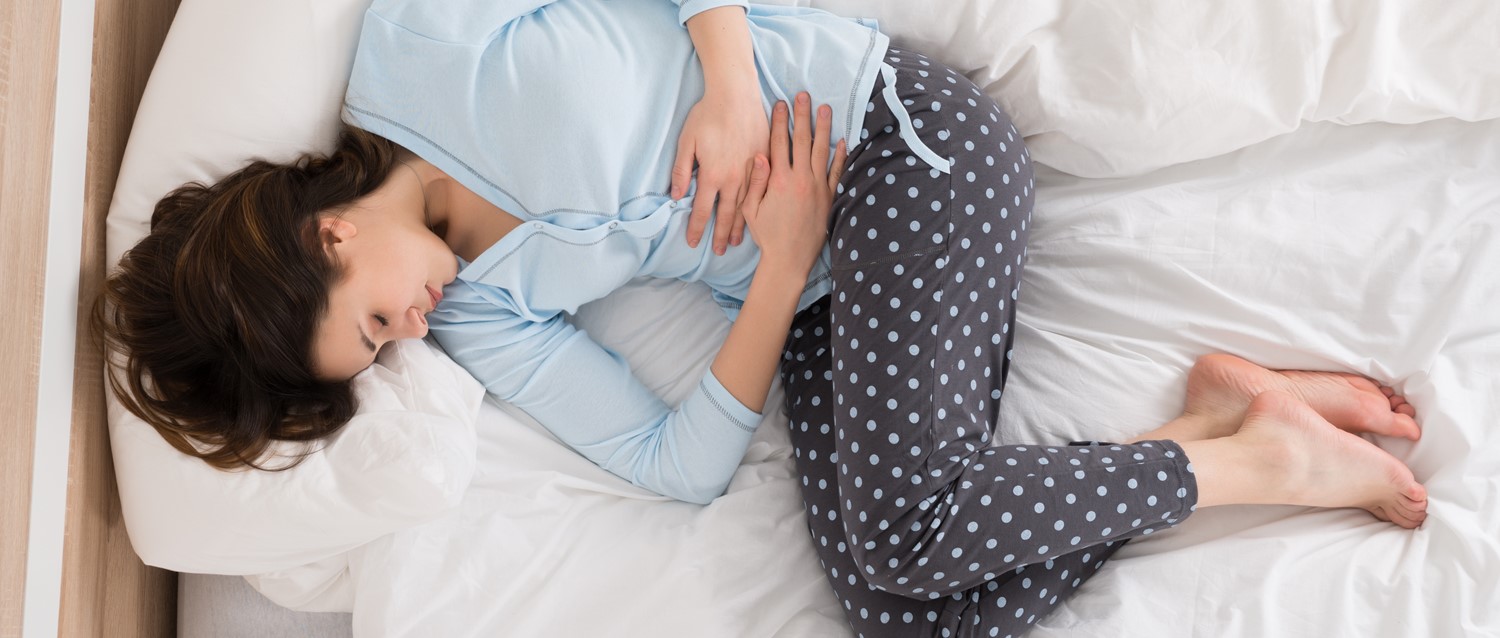
Blähungen treten im Bauch auf und können dazu führen, dass Sie sich extrem voll fühlen, als ob kein Platz mehr in Ihrem Magen ist. Ihr Bauch könnte etwas größer aussehen oder in einigen Fällen deutlich anschwellen. Das kann unangenehm und sogar schmerzhaft sein, besonders wenn Sie enge Kleidung tragen.
Most of the time, Blähungen is no cause for concern. Normal bloating occurs when the gastrointestinal tract becomes filled with air or gas, which often happens after you eat food. Some foods produce more gas than others, hence why you might bloat more after certain meals.
There are also other simple explanations for your bloating. As well as the types of food you eat, bloating can be caused by overeating. Verstopfung, Gewichtszunahme, Reflux and swallowing air (when you chew gum, smoke or eat too quickly) can all also lead to bloating. In some, but not all, bloating can be a Nebenwirkung der Menstruation oder hormonal changes in the premenstrual period auch.
Einige der Hauptursachen für normale Blähungen sind:
Verzehr von salzreichen Lebensmitteln.
Viel Kohlenhydrate essen.
Kohlensäurehaltige Getränke trinken.
Zu viel Milchprodukte essen.
Übermäßiger Alkoholkonsum.
Flüssigkeitsretention.
Verstopfung.
Zu viel Luft.
Gibt es ernsthaftere Gründe für Blähungen?
In the majority of cases, bloating can be attributed to diet, lifestyle factors, an Unverträglichkeit, or even Stress, insbesondere wenn Sie an Reizdarmsyndrom (RDS). Es gibt jedoch bestimmte wichtige Symptome, die niemals ignoriert werden sollten, da sie auf eine ernsthaftere Ursache Ihrer Blähungen hindeuten könnten.
An underlying medical condition is more likely if your bloating is persistent or you have other symptoms. If this is the case, you should always make a GP appointment so your doctor can assess the problem and identify the root cause of it. While investigations will usually rule out an urgent medical problem, your doctor will need to assess whether you need investigation to exclude cancer of the digestive tract or ovary, coeliac disease or entzündliche Darmerkrankung (Morbus Crohn und Colitis ulcerosa).
Anzeichen für eine ernsthaftere Gesundheitsstörung neben Blähungen können sein:
Anhaltende Blähungen
Most non-sinister causes of bloating lead to intermittent symptoms - bloating which gets worse after meals or towards the end of the day. However, a key symptom of Eierstockkrebs in women is bloating that doesn't come and go, and which may result in your tummy being persistently larger.
Weitere Symptome sind Schwierigkeiten beim Essen; schnelles Sättigungsgefühl; anhaltende Schmerzen oder Druck im unteren Bauch oder Beckenbereich; und manchmal Veränderungen im Blasen- oder Darmverhalten, unerklärlicher Gewichtsverlust und Appetitlosigkeit. Wenn Sie eines dieser Symptome haben, sprechen Sie mit Ihrem Arzt.
Schwere Leberschäden can lead to ascites - the accumulation of fluid inside your abdominal cavity - which can also result in persistent bloating. However, this is highly unlikely to be at the root of your bloating if you do not have other symptoms such as Gelbsucht.
Gewichtsverlust
Wenn Sie unerwarteten Gewichtsverlust feststellen, der nicht auf eine Diät oder eine Veränderung des Lebensstils zurückzuführen ist, sollten Sie ihn niemals ignorieren. Wenn Sie mehr als ein paar Pfund unerwartet verlieren – insbesondere wenn es 10 % oder mehr Ihres Körpergewichts sind – sollten Sie Ihren Hausarzt konsultieren, der die Ursache feststellen kann.
Müdigkeit
Constant tiredness and a bloated stomach could be a sign of something more serious. Of course, there is a wide range of causes for fatigue and bloating, with some obvious explanations like consuming rich or salty meals, eating too much, or short-term stress. However, some longer-term causes can include conditions such as RDS, Small intestinal bacterial overgrowth (SIBO), and Gastroparese.
Inflammatory bowel diseases (Crohn's disease and ulcerative colitis) and Zöliakie can prevent you from absorbing nutrients effectively from your gut. This in turn can lead to persistent tiredness. Flare-ups of inflammatory bowel disease can make you feel generally unwell and feverish as well as tired.
Veränderungen im Toilettenverhalten
If you experience changes in your bathroom habits that are not normal for you - including persistent Durchfall or just needing to go more frequently - this should always be flagged to your GP. Blut im Stuhl, vaginal bleeding between periods, or postmenopausale vaginale Blutungen can also all be caused by conditions that also result in bloating.
Most causes of these symptoms are not serious: it could be Hämorrhoiden, Myome, endometrial atrophy, or hormonal changes linked to your Menstruationszyklus. Wenn Sie insbesondere Blutungen bemerken, sollten Sie Ihren Arzt konsultieren, um auszuschließen, dass es sich um Anzeichen von Krebs oder entzündlichen Darmerkrankungen handelt.
Most of the time, bloating will go down on its own and you can manage it at home. Other causes of bloating include infection and Beckenentzündung (PID), and it can also be a side effect of medication - check with your pharmacist.
Wie wird Blähungen diagnostiziert und behandelt?
:
Seien Sie achtsam bei Ihrer Ballaststoffaufnahme - Ballaststoffe is a carbohydrate that the body cannot digest. While it has important functions, such as helping regulate blood sugar levels, it can lead to excessive amounts of gas. In this case, you should be mindful of how much and what type of fibre you are consuming, and alter your diet.
Unlösliche Ballaststoffe können eine besonders starke Ursache für Blähungen und Völlegefühl sein – sie lösen sich nicht in Wasser auf und bleiben im Verdauungstrakt unverändert, während die Nahrung weitertransportiert wird. Um die Symptome zu lindern, kann es hilfreich sein, die Aufnahme von unlöslichen Ballaststoffen zu reduzieren und mehr lösliche Ballaststoffe zu sich zu nehmen, die wichtig für die Darmgesundheit sind, aber in der Regel nicht die gleichen Probleme verursachen.
Einige Lebensmittel sind reich an sogenannten 'FODMAPs', thought to increase wind production. This can be a significant cause of bloating for people with IBS. A low FODMAPs diet has been zeigt, dass es Symptome lindert, aber es kann schwierig sein, dies aufrechtzuerhalten, ohne das Risiko unzureichender Vitamine oder Mineralstoffe. Idealerweise sollte dies mit fachkundiger Unterstützung eines Ernährungsberaters erfolgen.
Vermeiden Sie Lebensmittel mit hohem Fettgehalt - some fat is a vital part of a balanced diet, but it can take longer to pass through the digestive tract. This can lead to bloating as it may delay the emptying of the stomach.
Langsam essen und trinken - eating too quickly can make you swallow more air, which causes a build-up of gas in the gastrointestinal tract. Therefore, eating and drinking slowly and mindfully might ease your bloating. Likewise, talking while eating and frequently chewing gum can cause you to swallow more air, so try to avoid doing these too often.
Informieren Sie sich über Unverträglichkeiten - if you're constantly bloated, there's a chance it might be an intolerance causing excess gas production. Possible culprits include lactose, fructose and Gluten.
Versuchen Sie sanfte Bewegung - after eating, leichte Bewegung can help reduce normal bloating. You shouldn't push yourself too hard, especially after a big meal, but a walk might be enough to relieve bloating and remove gas.
Was sollten Sie tun, wenn Sie mit Blähungen zu kämpfen haben?
If your bloating is constant and uncomfortable, you should speak to your GP, especially if you have concerns about another underlying health condition. To find out what's going on, your doctor might ask you for a stool sample or request an X-ray of your small intestine. They may also test you for lactose intolerance or Zöliakie.
Patientenauswahl für Blähungen
Anzeichen und Symptome
Warum pupse ich so viel?
Ein unbeabsichtigter Furz in der Öffentlichkeit kann peinlich sein. Aber wenn du mehr als gewöhnlich furzt, solltest du vielleicht deine Ernährung ändern. Wir haben mit einem Apotheker über einige häufige Ursachen für Blähungen gesprochen und welche Lebensmittel du vermeiden solltest, um deine Blähungen zu lindern.
von Victoria Raw

Anzeichen und Symptome
Warum bläht sich mein Bauch bei heißem Wetter auf?
Wenn Sie das Gefühl haben, dass Ihr Magen bei heißem Wetter aufgebläht ist, kann das unangenehm und hemmend sein - und Sie können sich besonders träge fühlen. Welche Sommergewohnheiten könnten für Ihr Bauchschwellen verantwortlich sein und was können Sie dagegen tun?
von Lynn Stephen
Über den AutorVollständige Biografie anzeigen

Emily Jane Bashforth
Feature-Autorin
NCTJ
Emily ist Feature-Autorin bei Patient und schreibt Artikel zu verschiedenen Themen rund um Gesundheit und Wohlbefinden.
Über den RezensentenVollständige Biografie anzeigen

Dr. Sarah Jarvis
Klinische Beraterin
MA (Cantab), BM, BCh (Oxon), DRCOG, FRCGP, MBE
Nach ihrer medizinischen Ausbildung in Cambridge und Oxford wurde Dr. Sarah Jarvis MBE Hausärztin.
Artikelverlauf
Die Informationen auf dieser Seite werden von qualifizierten Klinikern begutachtet.
Artikel auch verfügbar in Englisch, Deutsch, Spanisch, Französisch, Italienisch, Portugiesisch, Hindi, Hebräisch, Arabisch, und Schwedisch.
6. Jan 2022 | Ursprünglich veröffentlicht
Verfasst von:
Emily Jane BashforthFachlich geprüft von
Dr. Sarah Jarvis

Fragen, teilen, verbinden.
Durchsuchen Sie Diskussionen, stellen Sie Fragen und teilen Sie Erfahrungen zu Hunderten von Gesundheitsthemen.

Fühlen Sie sich unwohl?
Bewerten Sie Ihre Symptome online kostenlos
Abonnieren Sie den Patienten-Newsletter
Ihre wöchentliche Dosis klarer, vertrauenswürdiger Gesundheitsberatung - geschrieben, um Ihnen zu helfen, sich informiert, selbstbewusst und in Kontrolle zu fühlen.
Durch das Abonnieren akzeptieren Sie unsere Datenschutzrichtlinie. Sie können sich jederzeit abmelden. Wir verkaufen Ihre Daten niemals.
Mehr zu Anzeichen und Symptomen
- Können Schmerzmittel tatsächlich Kopfschmerzen verursachen?
- Krebsbedingte Müdigkeit: Was es ist und wie man damit umgeht
- Kokosnussallergie: Kann Kokosnussöl Ihre Haut jucken lassen?
- Häufige Ursachen für einen juckenden Po
- Häufige Ursachen für eine juckende Kopfhaut
- Wie man mit stinkenden Fürzen, lauten Rülpsern und schlechtem Atem umgeht
- Wie man juckende Augen im Sommer lindert
- Ist Ihr Husten wirklich eine Brustinfektion?
- Leben mit Fibromyalgie - Jennys Geschichte
- Leben mit Tinnitus: Symptome und Lösungen
- Was verursacht extrem stinkende Fürze?
- Was verursacht juckende Haut?
- Was ist CBD-Öl und funktioniert es?
- Was es bedeuten könnte, wenn Sie ständig müde sind
- Was Ihre geschwollenen Drüsen bedeuten könnten
- Wann man sich über einen anhaltenden Husten Sorgen machen sollte
- Wann man sich über Nachtschweiß Sorgen machen sollte
- Warum bin ich nach dem Essen extrem müde?
- Warum Sie beim Sport Kopfschmerzen bekommen könnten