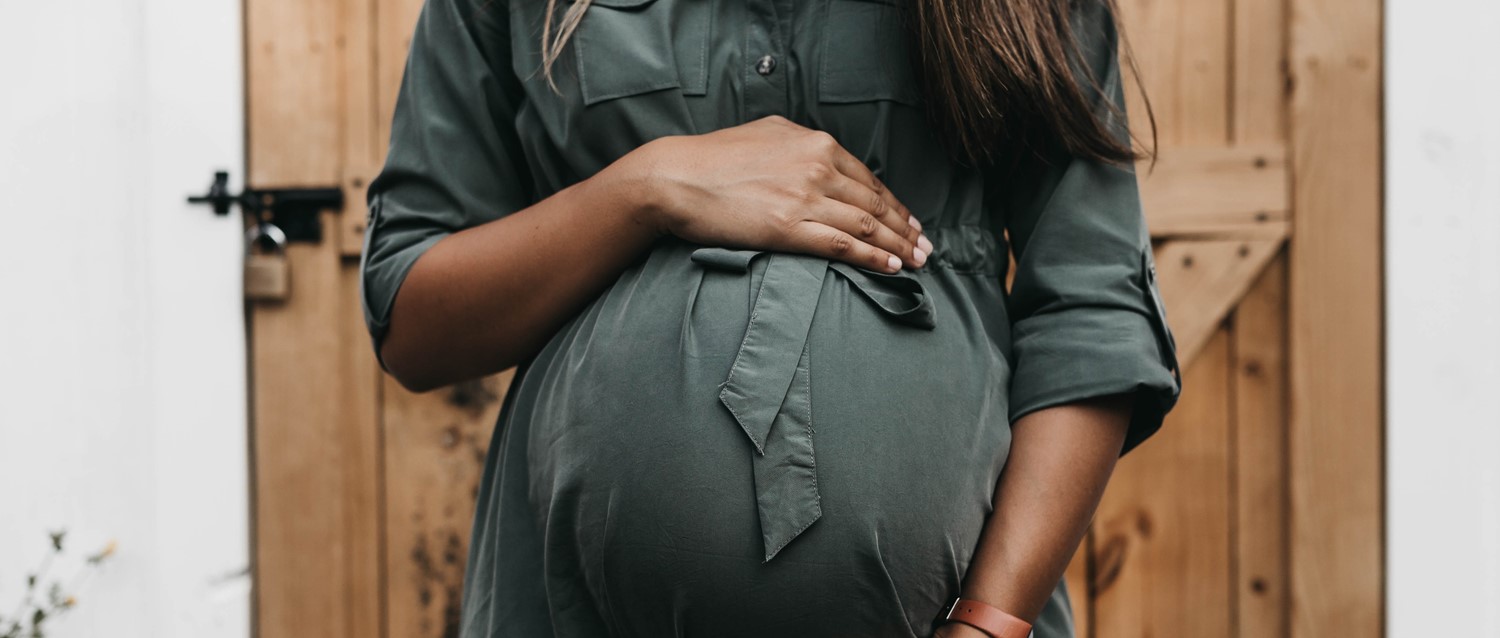
Wie man mit einem negativen Körperbild in der Schwangerschaft umgeht
Begutachtet von Dr Sarah JarvisVerfasst von Lydia SmithUrsprünglich veröffentlicht 4 Dec 2021
Erfüllt die redaktionelle Richtlinien
- HerunterladenHerunterladen
- Teilen
- Language
- Diskussion
- Ask Patient
- Audio-Version
- Zu bevorzugten Quellen bei Google hinzufügen
Pregnancy isn't always the magical time we are often led to believe it is. Not only can symptoms like nausea and backache be difficult to cope with, it's a big life event that can affect your mood and emotions. Even though it's a normal part of pregnancy, seeing your body change as your bump develops can also be challenging too.
Melden Sie sich für unseren kostenlosen 8-wöchigen Kurs zur gesunden Schwangerschaft an!
Jede Woche teilen wir nützliche Informationen und wichtige Tipps zu Themen wie Ernährung, Bewegung, psychische Gesundheit, Symptome, auf die Sie achten sollten, und Vorbereitung auf die Geburt, um Ihnen zu helfen, Ihre Schwangerschaftsreise in jeder Phase zu meistern.
Durch das Abonnieren akzeptieren Sie unsere Datenschutzrichtlinie. Sie können sich jederzeit abmelden. Wir verkaufen Ihre Daten niemals.
Videoauswahl für Psychische GesundheitVideothek
Why pregnancy can affect your body image
Many mums struggle to mentally process the body changes during Schwangerschaft. According to a Umfrage of more than 1,500 women, just over 41% of women who had been pregnant said they felt more negative about their bodies afterwards. A further 18% felt 'much more negative', while 23% felt 'slightly more negative' about their post-pregnancy bodies.
"Through adolescence and beyond, we can all struggle with fluctuating body image influenced by a vast array of factors," says Dr Marielle Quint, chartered clinical psychologist at The Soke, a mental health clinic in London.
How we feel about our bodies is a complex issue, often influenced by strict and unrealistic social and cultural beauty ideals. Our personal experiences, such as Mobbing, Trauma, our health and relationships, can all contribute to negative body image too.
Soziale Medien often plays a significant role, as it allows us to compare ourselves to other people and idealised bodies. What we see on Instagram, TikTok and Pinterest is rarely a genuine insight into other people's lives, which can lead us to have unrealistic expectations about our own experiences.
Feeling 'alien'
Während Schwangerschaft, existing concerns about body image can become exacerbated. Even if you've not experienced negative feelings about your body before, you may find yourself struggling with it feeling 'alien' as your body changes during pregnancy.
"These issues can become increasingly complex during pregnancy, as it is naturally a time where Gewicht gain and changes in our body are inevitable, rapid and largely out of our control," says Quint.
"There is also something about pregnancy that seems to give others often well-intended, but ill-perceived, licence to comment on size and shape," she adds. "Ordinarily, unacceptable comments can feel incredibly difficult for women struggling to inhabit their constantly evolving schwangere bodies."
Reality of pregnancy
It's also normal to experience a disconnect between what you thought Schwangerschaft would be like, compared to the reality. You may also find yourself comparing your body and pregnancy experience to other people's on sozialen Medien, where thinness is often valued above all else.
Negative feelings towards your body can be compounded by other mood problems such as Angstzustände oder Depressionen. Not only do pregnancy hormones impact psychisches Gesundheitsproblem, pregnancy and fears over Geburt and child-rearing can lead us to feel overwhelmed and low. In some cases, women may find themselves mourning their 'old' lives as they navigate the challenges of pregnancy and new motherhood.
"It's OK to have complex feelings about what your body is going through, but you have to keep in mind that it's all part of producing your beautiful baby," says Tina Prendeville, midwife for the pregnancy charity Tommy’s.
"Recognise that your body is going through a huge challenge and celebrate the amazing thing it's doing. It's also important to remember that pictures on sozialen Medien or in the news are often edited and unrealistic - and even in person, you can't compare yourself to other mums, because there's really no such thing as normal."
How to feel better about yourself during pregnancy
Bleiben Sie aktiv
We tend to associate exercise with Gewichtsverlust, but it's a great way to boost our psychisches Gesundheitsproblem. Körperliche Aktivität can relieve feelings of Angstzustände, tension and Stress, while enhancing well-being through the release of endorphins.
"Staying aktiv throughout pregnancy will not only keep you physically fit but can help you feel better psychologically too. There are lots of pregnancy safe exercises, such as swimming, cycling, Laufen, walking and strength training," says Prendeville.
"Reconnect with your body in a positive way, maybe through pregnancy massieren, Pilates or Yoga. Whatever you do, try to focus on how you feel rather than how you look. Your health and your baby are far more important."
Try to be realistic about your weight
It's natural to put on weight during Schwangerschaft. As well as the small human you're growing, other things will be contributing to your weight gain. This includes the placenta, amniotic fluid, extra water in the body and growing breasts.
These changes might feel strange and uncomfortable, but it's important to be realistic about normal and desirable weight gain, says Quint.
Eating a balanced Diät and keeping aktiv can help you stay at a healthy weight during pregnancy. This includes eating plenty of whole grains and Ballaststoffe-rich foods, at least five portions of fruit and veg every day and cutting back on high-fat or high-sugar food and drinks.
Get rid of the scales
If you're struggling with your appearance, removing scales from your bathroom can help. While it's important to maintain a healthy weight, the urge to weigh yourself every day can be damaging to your psychisches Gesundheitsproblem.
Take a break from social media
Social media is flooded with images of glowing, slim pregnant women. However, this isn't necessarily the reality for many women during pregnancy.
Seeing these unrealistic images can lead us to compare our appearance to others, which can negatively impact our mental well-being. Taking a break from Instagram, Pinterest and other apps - or being more mindful when you go on them - can provide some much needed relief.
Professionelle Hilfe in Anspruch nehmen
If you're struggling with your mental health or experiencing Angstzustände oder Depressionen in pregnancy, it's important to speak to your doctor. They may advise Gesprächstherapie - for which you can selbst anmelden on the NHS - or medication.
Sometimes, poor body image is linked to negative past experiences. Talking therapy and Beratung can be a good way to explore these feelings and overcome mental health issues.
"If your distress is significantly impacting your life, or it brings up past trauma or exacerbates pre-existing difficulties, it may be that it would be helpful to seek therapeutic support," says Quint. "A qualified professional who can support you through this exciting but emotionally challenging time."
Sprechen Sie mit Menschen, denen Sie vertrauen
It's important not to keep negative feelings or emotions to yourself. Speak to trusted friends or family about how you feel and any worries you might have. They may not have answers, but sharing a problem can make it feel less overwhelming.
Speaking to other pregnant friends can help too. Apps like Peanut connect women with others and there may be local Peer-Unterstützung groups in your area too.
Patientenauswahl für Psychische Gesundheit
Schwangerschaft
Quiz: Habe ich postnatale Depressionen?
Ein Baby zu bekommen kann eine freudige Erfahrung sein. Aber die Kombination aus Hormonen, Schlafmangel und emotionalem Aufruhr, die mit der Geburt eines neuen Lebens einhergeht, kann neue Mütter belasten. Es ist kein Wunder, dass sich viele Frauen niedergeschlagen fühlen. Aber was ist der Unterschied zwischen Niedergeschlagenheit und postnataler Depression?
von Lawrence Higgins
Schwangerschaft
Welche Verhaltensänderungen sollten Sie während der Schwangerschaft erwarten?
Starke Stimmungen und Emotionen sind in der Schwangerschaft sehr häufig, aber wann werden sie mehr als nur normale Schwangerschaftsveränderungen? Wir schauen uns an, worauf Sie achten sollten und wann Sie medizinischen Rat einholen sollten.
von Dr. Jennifer Kelly, MRCGP
Über den AutorVollständige Biografie anzeigen
Verfasst von

Lydia Smith
Feature-Autorin
BA, MA, MSc
Lydia Smith ist eine preisgekrönte Journalistin und Feature-Autorin, die umfangreich über Frauengesundheit und psychische Gesundheit geschrieben hat. Derzeit studiert sie für einen MSc in Psychologie.
Über den RezensentenVollständige Biografie anzeigen

Dr. Sarah Jarvis
Klinische Beraterin
MA (Cantab), BM, BCh (Oxon), DRCOG, FRCGP, MBE
Nach ihrer medizinischen Ausbildung in Cambridge und Oxford wurde Dr. Sarah Jarvis MBE Hausärztin.
Artikelverlauf
Artikel auch verfügbar in Englisch, Deutsch, Spanisch, Französisch, Italienisch, Portugiesisch, Hindi, Hebräisch, Arabisch, und Schwedisch.
4 Dec 2021 | Ursprünglich veröffentlicht
Verfasst von:
Lydia SmithBegutachtet von
Dr. Sarah Jarvis
Teilen Sie Ihre Gedanken oder Erfahrungen mit anderen in unserem Patientengemeinschaften.
Abonnieren Sie den Patienten-Newsletter
Ihre wöchentliche Dosis klarer, vertrauenswürdiger Gesundheitsberatung - geschrieben, um Ihnen zu helfen, sich informiert, selbstbewusst und in Kontrolle zu fühlen.
Durch das Abonnieren akzeptieren Sie unsere Datenschutzrichtlinie. Sie können sich jederzeit abmelden. Wir verkaufen Ihre Daten niemals.