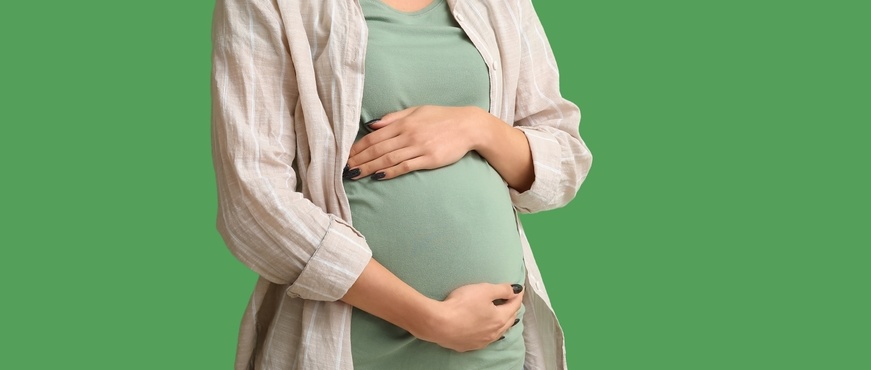
What is pre-eclampsia and how can it affect pregnant women?
Peer reviewed by Dr Colin Tidy, MRCGPLast updated by Lawrence HigginsLast updated 7 Mar 2026
Meets Patient’s editorial guidelines
- DownloadDownload
- Share
- Language
- Discussion
- Audio Version
- Add to preferred sources on Google
Pre-eclampsia is a condition that affects blood pressure in pregnancy, but despite up to 6 out of every 100 women experiencing it, we still don’t know exactly what causes it. Here we look at what are its effects and what what it means for long-term health.
Sign up for our free 8-week Healthy Pregnancy course!
Each week we’ll share useful information and essential tips on topics such as nutrition, exercise, mental health, symptoms to look out for, and preparing for childbirth, to help you navigate your pregnancy journey whatever stage you are at.
By subscribing you accept our Privacy Policy. You can unsubscribe at any time. We never sell your data.
What is pre-eclampsia?
Deirdre de Barra, head of pregnancy information at the pregnancy charity Tommy’s, explains that pre-eclampsia is a ‘hypertensive disorder’ - which combines raised blood pressure and often protein in the pee and problems with the kidneys or liver.
"These symptoms will not be obvious to you and you will not know if you have them. However, they are picked up in your routine appointments through the blood pressure checks and pee tests," she says.
"Pre-eclampsia usually affects women during the second half of pregnancy or soon after the baby is delivered."
Symptoms of pre-eclampsia include:
Swollen ankles. feet, face and hands.
Severe headache.
Problems with vision.
Around 6 in 100 people have a mild version of pre-eclampsia, but 2 in 100 have a severe form.
It can lead to serious complications for both mother and baby if not monitored or treated. “If pre-eclampsia is severe, it can start to affect other systems in the body - but these complications are rare,” says De Barra.
What causes pre-eclampsia?
Despite pre-eclampsia being relatively common, we still don’t fully understand what causes the condition. It is thought to happen when there’s a problem with the placenta - an organ that develops in the womb during pregnancy. The placenta moves oxygen, nutrients, and antibodies from your blood to your baby, and pre-eclampsia may develop when the blood supply to the placenta is weaker.
A large-scale study called POPPY involving up to 3,500 first-time mums was launched in 2023 - and still ongoing - to find out more about pre-eclampsia. Women are being monitored before, during and after their pregnancy to see what factors might be influencing the health of their placenta.
Dr Bernadette Jenner, a medical registrar in obstetric medicine at Cambridge University Hospitals NHS Foundation Trust who is leading the POPPY study in Cambridge, said:
"This study is the first of its kind, monitoring thousands of women before they become pregnant for the first time and tracking them through their pregnancies to try and discover why some develop placental conditions and others don’t," she says.
"We also hope to find out whether or not these conditions trigger longer-term health issues such as heart disease and diabetes. Our lack of knowledge and understanding about placental conditions is really poor, especially when you consider how common they are, and the serious impact they can have on women and babies, which at times is life-threatening."
De Barra adds that like many pregnancy complications and broader ‘women’s health issues’, pre-eclampsia research has not seen the financial investment and attention it deserves. "However, our understanding of pre-eclampsia, how it develops and who is at highest risk has progressed in recent years," she explains.
"For example, as a result of the Tommy’s PARROT trial a quick, accurate, simple blood test is now available that can screen for pre-eclampsia risk. It measures levels of a protein called placental growth factor. If you're between 20 weeks and 36 weeks and 6 days (36+6) pregnant, and your doctors think you may have pre-eclampsia, they may offer you this blood test to help rule out pre-eclampsia."
Who is at higher risk of developing pre-eclampsia?
High blood pressure, diabetes, autoimmune conditions, age, and having obesity before pregnancy can increase the risk of pre-eclampsia and placental dysfunction, but it’s unclear exactly why and whether there are other causes. This is something the POPPY study is exploring.
"Others who have a slightly raised risk include women and birthing people over 40, those with a higher BMI, those who are expecting more than one baby, those having a first pregnancy or a pregnancy when their last one was more than 10 years ago, and people with a family member who has had pre-eclampsia," says De Barra.
Can pre-eclampsia affect someone’s long-term health?
Having pre-eclampsia increases the risk of developing high blood pressure, heart disease and stroke in later life, and also raises the risk of having it again in a future pregnancy.
But it’s not clear however whether placental complications cause heart disease and diabetes directly, or whether these conditions happen in women who already have underlying or unknown health issues before pregnancy.
"However, healthy lifestyle changes like avoiding smoking, exercising, eating a balanced diet and maintaining a healthy weight will help reduce this risk," De Barra says.
How is pre-eclampsia treated?
Fleur Parker, an NCT Practitioner and antenatal educator, pre-eclampsia is usually resolved with the baby’s birth, although treatment doesn’t usually end straight away.
After being diagnosed, you’ll be assessed by a specialist and given the necessary treatment. If you have pre-eclampsia, you'll be closely monitored until it's possible to deliver the baby. You may be advised to have your baby at the 37th or 38th week of pregnancy, which may mean you need to be induced - have labour brought on artificially - or need to have a caesarean section. Delivering your baby early reduces the risk of complications from pre-eclampsia.
"After having your baby, a longer hospital stay may be required so your blood pressure can be monitored, and medication may be prescribed if necessary," she says. "People with pre-eclampsia are often home and recovering well after a couple of weeks in my experience."
If you’re worried about your health at any point during pregnancy - or if you’re concerned about any changes in your wellbeing - it’s essential to speak to your midwife or your doctor.
Patient picks for Complications
Pregnancy
Gestational diabetes - what's the outlook?
Gestational diabetes is a type of diabetes that develops during pregnancy. If you're due to be tested for this condition, or have recently received a positive test, it's natural to be concerned. We look at the condition, available treatments, and long-term prognosis for those diagnosed.
by Gillian Harvey
Pregnancy
When you should and shouldn't worry during your pregnancy
Often seen as a time of bump-patting, nursery-decorating and eager anticipation, pregnancy can also be fraught with worries. Most women, particularly during their first pregnancy, experience unexpected symptoms, and may find it hard to know when to seek help.
by Gillian Harvey
About the authorView full bio

Lydia Smith
Feature writer
BA, MA, MSc
Lydia Smith is an award-winning journalist and feature writer who has written extensively on women's health and mental health. She is currently studying for an MSc in psychology.
About the reviewerView full bio

Dr Colin Tidy, MRCGP
General Practitioner, Medical Author
MBBS, MRCGP, MRCP (Paediatrics), DCH
Dr Colin Tidy is an NHS Doctor, based in Oxfordshire.
Article history
The information on this page is peer reviewed by qualified clinicians.
Article also available in English, German, Spanish, French, Italian, Portuguese, Hindi, Hebrew, Arabic, and Swedish.
Next review due: 7 Mar 2029
7 Mar 2026 | Latest version
22 Sept 2023 | Originally published
Authored by:
Lydia Smith
Join the conversation
Share your thoughts or experiences with others in our patient communities.

Ask, share, connect.
Browse discussions, ask questions, and share experiences across hundreds of health topics.

Feeling unwell?
Assess your symptoms online for free
Sign up to the Patient newsletter
Your weekly dose of clear, trustworthy health advice - written to help you feel informed, confident and in control.
By subscribing you accept our Privacy Policy. You can unsubscribe at any time. We never sell your data.
More in pregnancy
- Bacterial vaginosis in pregnancy: What you need to know
- Can Pilates help strengthen your pelvic floor during pregnancy?
- Can pregnancy make you more sensitive to hay fever?
- Can you prevent breakthrough bleeding on the pill?
- Contraception videos
- Do anabolic steroids cause infertility?
- Does testicular cancer affect your fertility?
- Gestational diabetes - what's the outlook?
- How to cope with anxiety during pregnancy
- How to safely maintain your exercise routine while pregnant
- Looking after your mental health when returning to work after maternity leave
- Pregnancy complications videos
- The truth about egg freezing
- The truth about getting pregnant after 40
- Thrush in pregnancy: what you can and can't do
- What behaviour changes should you expect during pregnancy?
- What happens after finding out you're pregnant?
- What's the future of contraception?
- When will I become fertile again after coming off contraception?
- Which pregnancy vitamins do I really need?