
Sind Sie zu abhängig von Schmerzmitteln?
Fachlich geprüft von Dr Krishna Vakharia, MRCGPVerfasst von Dr Sarah JarvisUrsprünglich veröffentlicht 30. Jan 2023
Erfüllt die Anforderungen des Patienten redaktionellen Richtlinien
- HerunterladenHerunterladen
- Teilen
- Language
- Diskussion
- Audio-Version
- Zu bevorzugten Quellen bei Google hinzufügen
Praktisch alle von uns haben irgendwann in unserem Leben Schmerzmittel eingenommen, und sie können sicherlich kurzfristige Linderung von Schmerzen bieten. Aber nationale Richtlinien von NICE (dem National Institute for Health and Care Excellence) ermutigen Ärzte, bei vielen Menschen mit Schmerzen von ihnen abzuraten. Es ist nicht, weil sie wollen, dass jemand leidet - ganz im Gegenteil. Es liegt an dem Risiko, süchtig nach verschreibungspflichtigen Schmerzmitteln zu werden, was noch mehr Probleme verursachen kann als der ursprüngliche Schmerz.
There's no question that use of illegal drugs is widespread: in England and Wales, around 1 in 11 16-59 year-olds (around 3 million people) and 1 in 5 16-24 year-olds - around 1.1 million people - reported using drugs in the year ending June 2022. 862,000 of these are frequent drug users who take illicit drugs at least once a month. Although more than 4 in 10 16-24 year-olds und 16-59 year-olds who take these drugs do so only once or twice a year.
Is there a problem with prescription painkillers?
In addition to illicit drug use and use of legal recreational drugs, millions of people in the UK take painkillers regularly. A 2021 survey found that 1 in 10 UK residents have overused prescription pain medication. The government was so concerned about painkiller addiction that in 2015 it set up an All-Party Parliamentary Group on prescribed drug dependence. The government believes that if the issues continue, we could be heading for a public health disaster along the lines of that seen in the USA.
What are strong painkillers?
There are many different types of painkiller. 'Non-opioid' painkillers such as Paracetamol are not addictive. Neither are non-steroidal anti-inflammatory medicines (NSAIDs) such as ibuprofen. However, for severe pain, stronger painkillers called Opioide are often prescribed. These medicines are related to morphine and include Codein, Dihydrocodein, Tramadol, Morphin, Fentanyl, Oxycodon, Buprenorphin und Diamorphin.
What are the risks of opioid painkillers?
Prescriptions for opioid painkillers increased from three to 23 million between 1991 and 2014. Even though by 2018 they were slowly starting to fall, levels are still much higher than they were 25 years ago. Sometimes these are prescribed for a fairly short period - say, to cope with pain while recovering from surgery. Sometimes the risk of addiction is much less than the need to control pain completely - for instance, in people with cancer needing end-of-life care.
But chronic pain affects between 1 in 2 and 1 in 3 adults in the UK - just under 28 million people. The most common reason for chronic pain is muscle and joint problems - musculoskeletal conditions. Symptoms of Osteoarthritis, Rücken und Nackenschmerzen can last for years and paracetamol makes little difference. In fact, national guidance recommends that paracetamol shouldn't be prescribed for back pain or osteoarthritis because it doesn't work.
As a consequence, many patients turn to stronger, opioid painkillers.
Unfortunately, all of these carry a risk of painkiller addiction - and the stronger they are the greater the risk. Most people never imagine they can become addicted to medicines prescribed by a doctor, but that's not true.
What are addictive drugs?
Addictive drugs share certain properties. As time goes on, you become tolerant of the drug - in other words, you need higher and higher doses to have the same effect. If you don't get the drug, you start to crave it - you can't think about anything other than your next dose. And if you stop it suddenly, it leads to withdrawal symptoms.
Because strong painkillers are so addictive, they have less and less effect as time goes on. That means the dose you were prescribed may not control your pain. The longer you've been taking a painkiller, and the higher the dose, the more likely it is that you will find yourself relying on them.
What are the signs of painkiller addiction?
Signs of painkiller addiction may come on gradually, but over time they start to have more and more impact on your ability to function. They can be broadly divided into behavioural, psychological, physical and cognitive.
Behavioural symptoms include:
Taking a higher dose of medication than you've been prescribed.
Running out of medicine early.
Exaggerating your pain to get more medicine.
Borrowing painkillers from friends.
Going to multiple pharmacists to get supplies of non-prescription opioid painkillers.
Hiding medicine or medication packaging.
Thinking about your medication, and when you can get your next dose, all the time.
Spending less time with family and friends.
Psychological symptoms include:
Being moody or irritable.
Feeling constantly ängstlich.
Low mood or Depressionen.
Cognitive symptoms include:
Sich verwirrt oder desorientiert fühlen.
Probleme, sich zu konzentrieren.
Making poor decisions.
Having hallucinations or delusions.
Physical symptoms include:
Problems sleeping or sleeping too much.
Feeling itchy.
Excess sweating.
Keinen Appetit haben.
Pinpoint pupils.
What should I do if I'm worried about painkiller addiction?
If you're concerned about your painkiller intake, do speak to your doctor. They are very used to helping people with this sort of problem, and they won't judge you. Instead, they can help work with you to develop a plan to reduce or even stop your tablets.
The process isn't quick and you'll need to tail off slowly. Your doctor can also help with other non-drug treatments that can help your pain. For instance, Physiotherapie, regelmäßige Bewegung and sometimes counselling have been found to be very effective for helping many people manage pain.
Mit Dank an das Magazin 'My Weekly', in dem dieser Artikel ursprünglich veröffentlicht wurde.
Patientenauswahl für Medikamenteninformationen

Behandlung und Medikamente
Sollten Sie sich über eine Schmerzmittelabhängigkeit Sorgen machen?
Dank Schmerzmitteln können wir viele Arten von Schmerzen lindern, die unsere Vorfahren belastet haben. Aber die Abhängigkeit von Schmerzmitteln ist ein ernstes Risiko, wenn man sie zu lange einnimmt. Wie erkennt man, ob man abhängig ist, und was kann man dagegen tun?
von Amberley Davis
Behandlung und Medikamente
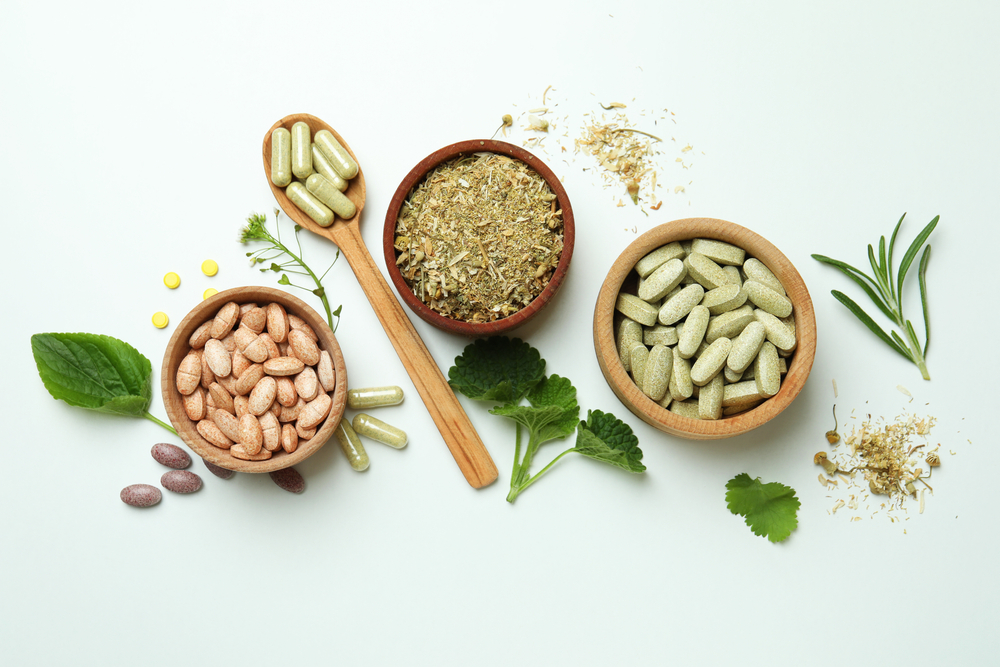
Funktioniert pflanzliche Medizin wirklich?
Herbal medicines have been used for centuries to treat a wide range of health conditions. Many people choose them because they're seen as a natural alternative to conventional medicine. But do herbal medicines actually work - and are they safe to take?
von Heather Ainsworth
Über den AutorVollständige Biografie anzeigen

Dr. Sarah Jarvis
Klinische Beraterin
MA (Cantab), BM, BCh (Oxon), DRCOG, FRCGP, MBE
Nach ihrer medizinischen Ausbildung in Cambridge und Oxford wurde Dr. Sarah Jarvis MBE Hausärztin.
Über den RezensentenVollständige Biografie anzeigen

Dr Krishna Vakharia, MRCGP
Chief Medical Officer für Gesundheit, Optum UK
MBChB, MRCGP(2013), BMedSci (hons), DFSRH, DRCOG, PGDipDerm (Distn)
Dr. Krishna Vakharia ist eine NHS-Hausärztin. Sie ist auch regelmäßige Prüferin für das postgraduale Diplom in Praktischer Dermatologie an der Cardiff University und zudem Chief Medical Officer für Gesundheit bei Optum UK.
Artikelverlauf
Die Informationen auf dieser Seite werden von qualifizierten Klinikern begutachtet.
Artikel auch verfügbar in Englisch, Deutsch, Spanisch, Französisch, Italienisch, Portugiesisch, Hindi, Hebräisch, Arabisch, und Schwedisch.
30. Jan 2023 | Ursprünglich veröffentlicht
Verfasst von:
Dr. Sarah JarvisFachlich geprüft von
Dr Krishna Vakharia, MRCGP

Fragen, teilen, verbinden.
Durchsuchen Sie Diskussionen, stellen Sie Fragen und teilen Sie Erfahrungen zu Hunderten von Gesundheitsthemen.

Fühlen Sie sich unwohl?
Bewerten Sie Ihre Symptome online kostenlos
Abonnieren Sie den Patienten-Newsletter
Ihre wöchentliche Dosis klarer, vertrauenswürdiger Gesundheitsberatung - geschrieben, um Ihnen zu helfen, sich informiert, selbstbewusst und in Kontrolle zu fühlen.
Durch das Abonnieren akzeptieren Sie unsere Datenschutzrichtlinie. Sie können sich jederzeit abmelden. Wir verkaufen Ihre Daten niemals.
Mehr zu Behandlung und Medikamenten
- 4 Erste-Hilfe-Tipps für ein sicheres und fröhliches Weihnachten
- Sind Proteinshakes gut zum Abnehmen?
- Kunsttherapie: Kreative Wege zur Förderung Ihrer psychischen Gesundheit
- Kann Hypnotherapie bei Schlaflosigkeit helfen?
- In Cannabis gefundene Chemikalie könnte wirksamer als Schmerzmittel sein
- AktualisiertFunktioniert pflanzliche Medizin wirklich?
- Sex nach einer Vasektomie
- Heuschnupfen: Wie Ihr Apotheker helfen kann
- Wie funktioniert Mounjaro zur Gewichtsabnahme?
- Wie funktioniert Wegovy zur Gewichtsabnahme?
- Wie man die Einnahme von Mounjaro beendet oder zu einer Alternative wechselt
- Wie eine Gewichtsverlustoperation mein Leben veränderte: Gemmas Geschichte
- Ist ASMR das Geheimnis für sensorisches Glück?
- Jeder vierte Erwachsene erhält verschreibungspflichtige Suchtmedikamente
- Rezepte: Ihre Fragen beantwortet
- Sollte die Operation mit vaginalem Netz verboten werden?
- Verstehen von EMDR: Wie können Augenbewegungen bei der Verarbeitung von Trauma helfen?
- Was passiert, wenn Sie aufhören, Abnehmspritzen zu nehmen?
- Was ist Videophysiotherapie und wem kann sie helfen?
- Wer ist für Gewichtsverlust-Injektionen geeignet?