Why fibre is your friend
Peer reviewed by Dr Krishna Vakharia, MRCGPLast updated by Victoria RawLast updated 7 Apr 2025
Meets Patient’s editorial guidelines
- DownloadDownload
- Share
- Language
- Discussion
- Audio Version
- Add to preferred sources on Google
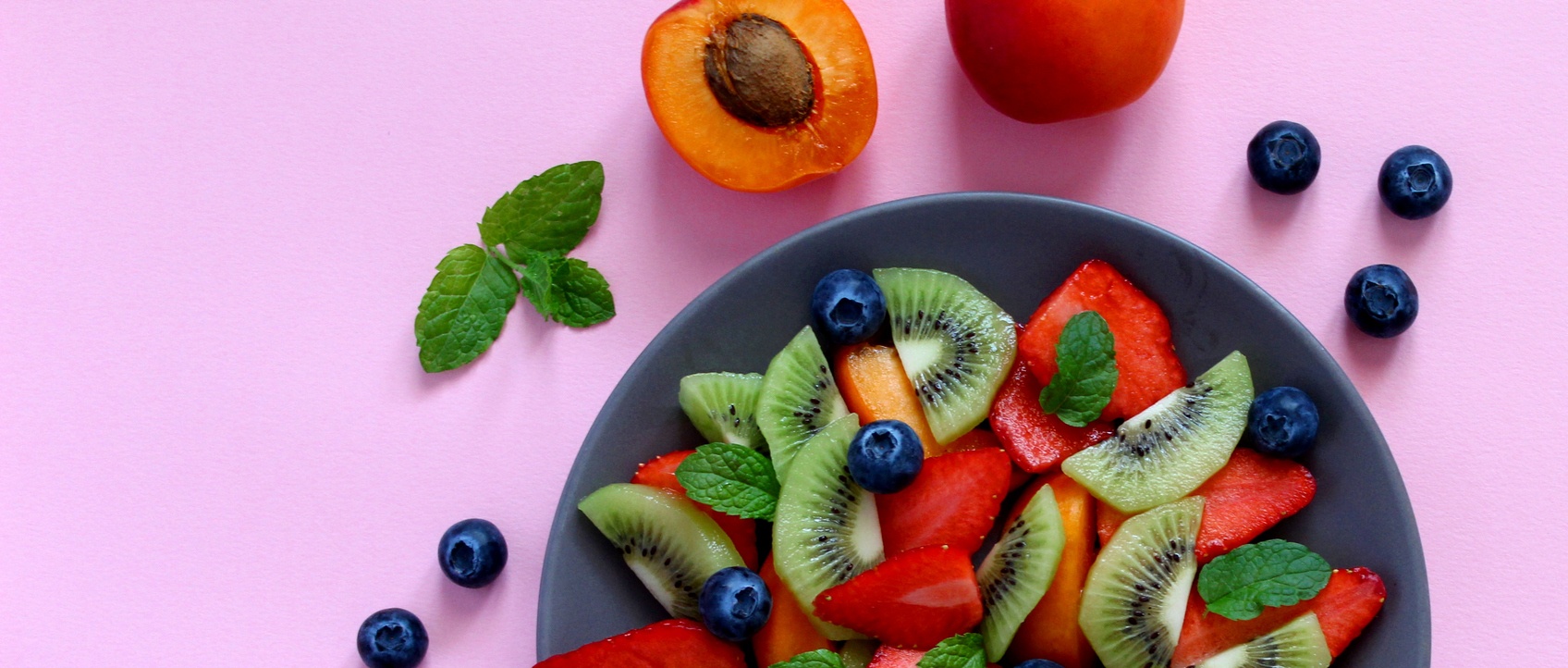
It's recommended that we all try to eat 30 grams of fibre a day - but most of us only manage about 18 grams. We should try to eat at least 30 different vegetables, fruits, nuts, seeds, beans and pulses every week to meet our fibre needs. Here's why it's important to prioritise a fibre-rich diet.
Two types of fibre
There are two main types of fibre.
Insoluble fibre is sometimes called roughage. It isn't digested and absorbed from your gut, which means it stays in your bowels, helping to bulk out your poos.
Good sources of insoluble fibre include:
Wholemeal and wholegrain products.
Wheat bran.
Beans.
Pulses.
Many fruit and vegetables.
Soluble fibre dissolves in water to form a gel in your gut.
Good sources of soluble fibre include:
Oats.
Bananas.
Barley.
Potatoes.
Strawberries.
Plums.
Peaches.
Aubergines.
Apples.
Pears.
In many fruit and vegetables, the skin is high in insoluble fibre while the flesh is a good source of the soluble variety.
Why should you eat fibre?
It's good for your bowels
There's no question that fibre in your diet is good for your bowels. As well as helping you avoid constipation, fibre can reduce your likelihood of developing other bowel problems such as painful piles and diverticular disease. It may even lower your chance of getting bowel cancer.
It stabilises cholesterol and blood sugar
But we now know that fibre can do much more. Soluble fibre in particular can help reduce your cholesterol and stabilise your blood sugar. This may protect against heart disease and even help stave off type 2 diabetes.
It supports a healthy gut
We've also learnt much more in recent years about the importance of the gut microbiome - the trillions of bacteria and other microbes that live naturally in your large bowel. Without them, we wouldn't be able to digest food. Eating more fibre can create a healthy balance between good and bad bacteria.
About 70% of your immune cells - which help you fight off infection and reduce inflammation in the body - are found in your gut. Your gut is also packed with nerve cells, which communicate with your brain. A healthy gut microbiome has now been found to improve your ability to fight off infection, and your mood.
The wider the range of microbes in your gut, the more healthy it is. Having more friendly bacteria can crowd out germs that cause gut infections and may make it easier for you to keep a healthy weight. Many high-fibre foods act as prebiotics, feeding your healthy bacteria. Probiotic foods - such as live yoghurt, sauerkraut, and sourdough - and probiotic supplements can also help boost your friendly bacteria.
Is fibre good or bad for IBS?
Irritable bowel syndrome, (IBS) is a long-term gut condition thought to affect as many as 1 in 5 adults - especially women. It leads to symptoms such as colicky tummy pain, bloating, wind, constipation, and diarrhoea.
If you have IBS, you may find that eating more insoluble fibre actually makes your symptoms worse. However, gradually upping your intake of soluble fibre may relieve constipation, pain and bloating.
If you have IBS, it's also worth being aware that some high-fibre foods are high in FODMAPS. These are fermentable ingredients which mean the bacteria in your gut create gas as they're digesting them. If you're struggling to increase the fibre in your diet, a dietitian may be able to advise you on a low FODMAPS diet.
How to eat more fibre
If you don't have IBS or another bowel condition that causes diarrhoea, there's very little downside - and lots of possible health benefits - to increasing the fibre in your diet.
If your diet has been low in fibre for years, you may want to up your intake gradually to avoid short-term bloating. Over time, your gut will get used to the higher levels of fibre and thank you for it.
At the very least, you should be aiming for at least five portions of fruit and vegetables a day. Fresh, frozen, and tinned varieties - in natural juices, not sweetened - all count.
One portion is the same as:
One large fruit - such as an apple or pear.
Two smaller fruits - such as satsumas or plums.
A dessert bowl of salad.
2-3 tablespoons of vegetables.
Here are some ways you can ensure you're getting enough fibre:
Many doctors now recommend aiming for 30 different fibre foods each week. This includes nuts, seeds, beans, and pulses as well as fruit and veg.
Try to focus more on veg than fruit. Although the natural sugar in fruit isn't as harmful as pure sugar, it can cause spikes in blood sugar.
Eat a rainbow of fruit and veg. All fruit and vegetables contain different vitamins, minerals and other micro-nutrients. Think orange carrots and oranges, red berries, purple cabbage and aubergines, white cauliflower or turnips and green from beans, broccoli and more.
Start your day with a high-fibre cereal or some porridge for soluble fibre.
Add extra vegetables to mince dishes, soups, stews and casseroles. Onions and root vegetables add flavour as well as fibre.
Bulk out stews and casseroles with a tin of lentils or beans. These are both delicious and economical, making meat go further.
If your digestion can tolerate it, eat the skin as well as the flesh of fruit and veg.
Try not to overcook vegetables - a little crunch left in them means the fibre hasn't broken down as much.
With thanks to My Weekly magazine, where this article was originally published.
Patient picks for Healthy eating
Diet and nutrition
Can chicory root be a healthier alternative to coffee?
Chicory root comes from a vibrant blue flower that looks a little like a dandelion. Beneath the flower lies a thick taproot that can be ground into a powder and brewed as a naturally caffeine-free alternative to coffee. But is chicory root actually good for you? We take a closer look at the potential benefits of swapping your usual coffee for this increasingly popular wellness drink.
by Victoria Raw
Diet and nutrition
Tadpole water - what is it, and does it actually have any health benefits?
If you’ve heard of people trying ‘tadpole water’ online, don’t worry. Despite the name, anyone following this viral trend isn’t scooping up buckets of frogspawn and taking them home to drink. Tadpole water is actually less gross. The term refers to the practice of adding chia seeds to water and drinking the mixture for a range of supposed health benefits. But what are these benefits, and do they actually stack up? We take a closer look.
by Victoria Raw
About the authorView full bio

Dr Sarah Jarvis
Clinical Consultant
MA (Cantab), BM, BCh (Oxon), DRCOG, FRCGP, MBE
After training in medicine at Cambridge and Oxford, Dr Sarah Jarvis MBE became a GP.
About the reviewerView full bio

Dr Krishna Vakharia, MRCGP
Chief Medical Officer for Health, Optum UK
MBChB, MRCGP(2013), BMedSci (hons), DFSRH, DRCOG, PGDipDerm (Distn)
Dr Krishna Vakharia is an NHS GP. She is also a regular examiner for the postgraduate Diploma in Practical Dermatology at Cardiff University as well as being the Chief Medical Officer for health at Optum UK.
Article history
The information on this page is peer reviewed by qualified clinicians.
Article also available in English, German, Spanish, French, Italian, Portuguese, Hindi, Hebrew, Arabic, and Swedish.
Next review due: 7 Apr 2028
7 Apr 2025 | Latest version
14 Feb 2024 | Originally published
Authored by:
Dr Sarah Jarvis
Join the conversation
Share your thoughts or experiences with others in our patient communities.

Ask, share, connect.
Browse discussions, ask questions, and share experiences across hundreds of health topics.

Feeling unwell?
Assess your symptoms online for free
Sign up to the Patient newsletter
Your weekly dose of clear, trustworthy health advice - written to help you feel informed, confident and in control.
By subscribing you accept our Privacy Policy. You can unsubscribe at any time. We never sell your data.
More in diet and nutrition
- Can red yeast rice lower your cholesterol?
- Can you lower cholesterol through diet alone?
- Do probiotics promote healthy hair?
- UpdatedGallstones diet: foods to eat and avoid
- How much red meat should you eat?
- How to eat more vegetables without trying
- How to gain weight healthily
- How your gut affects your overall health
- Is a dairy-free diet healthy?
- Patient's Christmas Cook Off
- The best gut health foods - and why you need them
- The Reducetarian diet: how to eat less meat
- Vitamin B12 deficiency signs you need to know
- What are the benefits of a plant-based diet?
- What is cortisol belly? Why stress could be making it harder to lose belly fat
- What is inflammation and which foods reduce it?
- What is intuitive eating - and can it improve your relationship with food?
- What would your stomach choose at the supermarket?
- What's the healthiest high street Christmas sandwich?
- Why fad diets can actually lead to weight gain