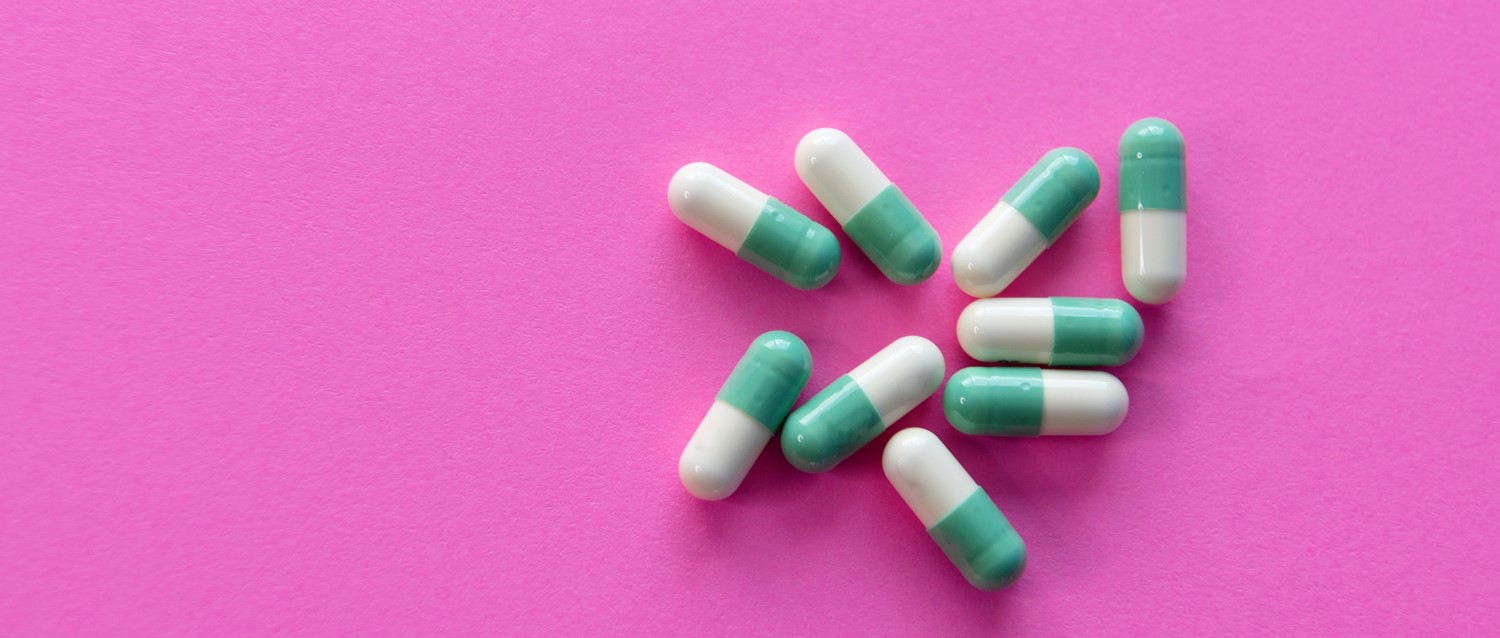
Was ist das Serotonin-Syndrom und was verursacht es?
Begutachtet von Dr Sarah JarvisZuletzt aktualisiert von Lydia SmithZuletzt aktualisiert 23. Nov. 2021
Erfüllt die Anforderungen des Patienten Richtlinien des Patienten
- HerunterladenHerunterladen
- Teilen
- Language
- Diskussion
- Audio-Version
- Zu bevorzugten Quellen bei Google hinzufügen
Manchmal wird Serotonin als das 'Glückshormon' bezeichnet, da es ein Neurotransmitter ist, der mit unserer Stimmung und anderen wichtigen Funktionen verbunden ist. Mehrere Medikamente, die Depressionen, Angstzustände und andere psychische Probleme behandeln, wirken auf den Serotoninspiegel und andere Neurotransmitter, um Ihre Stimmung und andere Symptome zu verbessern. Selten können Antidepressiva jedoch eine gefährliche Reaktion namens Serotoninsyndrom auslösen.

Was ist das Serotoninsyndrom?
Serotonin - also known as 5-hydroxytryptamine, or 5-HT - is a chemical that functions as a neurotransmitter to carry signals between nerve cells throughout your body. In the brain, serotonin helps to regulate Stimmung und Speicher, but it also has other important roles such as aiding digestion.
Serotonin's effect on mood is why it's often a target of medications that are used to treat psychisches Gesundheitsproblem conditions. For example, increasing serotonin levels is the purpose of the class of Antidepressiva known as selective serotonin reuptake inhibitors (SSRIs). However, it is possible for serotonin levels to become too high - so-called serotonin syndrome.
"Serotonin is a chemical which is naturally produced in the body and is required for nerve cells and the brain to function," says Dr Natasha Bijlani - consultant psychiatrist at the Priory Hospital Roehampton London.
"Too much serotonin leads to the development of a set of potentially dangerous symptoms called serotonin syndrome. Serotonin syndrome usually occurs as a result of taking medications that cause high levels of serotonin to accumulate in the body," she explains. "Serotonin syndrome can be a life-threatening condition and should be regarded as a medical emergency. It requires immediate treatment."
What causes serotonin syndrome?
SSRI Antidepressiva are the most commonly prescribed class of drugs for moderate to severe depression. They can be extremely effective, especially when used alongside other treatments like Gesprächstherapie.
However, serotonin syndrome can occur if someone overdoses on their Antidepressiva, or if they take different types of antidepressant medications at the same time.
"SSRIs work by increasing the availability of serotonin in the brain and other parts of the body," explains Bijlani. "But if multiple SSRIs are prescribed at the same time or used in conjunction with other serotonin-enhancing medications or substances, then the risk of serotonin syndrome is enhanced."
Forschung has shown that various types of antidepressant, including SSRIs, serotonin and norepinephrine reuptake inhibitors (SNRIs), tricyclic Antidepressiva and monoamine-oxidase inhibitors (MAOIs), been linked to serotonin syndrome.
"Some cases can arise after a single dose of a selective serotonin reuptake inhibitor (SSRI). It can also arise when the dose of a drug that acts on serotonin levels has increased or a new drug is added," she says. "Some dietary supplements and recreational drugs have also been associated with the development of serotonin syndrome."
Illicit drugs such as cocaine, LSD, amfetamines and ecstasy can affect serotonin levels. Triptan medications used to treat migraines, and herbal supplements such as St John’s wort, can also have an effect. On rare occasions, some over-the-counter Erkältung Medikamenten can also interact with antidepressants, which may risk increasing serotonin levels.
What are the symptoms of serotonin syndrome?
"Serotonin syndrome symptoms develop within six hours of initial use, change in dose or following overdose," says Bijlani. "Initial serotonin syndrome symptoms are usually mild and include Durchfall, shivering and feeling more ängstlich, agitated and restless. Serotonin syndrome symptoms also include Schlaflosigkeit, Kopfschmerzen, rigid muscles, mild Fieber and developing goosebumps."
Worsening serotonin syndrome symptoms lead to the development of increased heart rate and Blutdruck, dilated pupils, loss of muscle co-ordination and twitching, alongside heavy Schwitzen and confusion.
"Signs of severe serotonin syndrome include high fever, Anfällen, irregular heartbeat with unconsciousness and eventually possible death," says Bijlani.
How to avoid serotonin syndrome
Prescription medication such as SSRIs should always be taken at doses recommended by your doctor.
"People should be made aware of the possible risk of Serotonin syndrome and what to do if they develop any of the signs and symptoms," says Bijlani. "One should never increase the dose of any medication, or take any additional medications or supplements, without talking to their doctor first."
If you are concerned you have serotonin syndrome, it's important to seek medical help as quickly as possible.
"Serotonin syndrome is regarded as a medical emergency. Serotonin syndrome symptoms can escalate quite rapidly and lead to dangerous consequences," says Bijlani. "Anyone who suspects they may be developing such symptoms should seek urgent medical assistance.
"Serotonin syndrome treatment involves monitoring for vital physical signs and stopping all medications that could be contributing to elevated serotonin levels," she adds. "It might involve managing agitation with suitable medication, reducing body Temperatur and the consideration of intensive-care treatment if severe serotonin syndrome has developed."
Patientenauswahl für Medikamente für die psychische Gesundheit

Psychische Gesundheit
Führt die Einnahme von Antidepressiva wirklich zu einer Gewichtszunahme?
Wenn Sie sich entschieden haben, Hilfe bei Depressionen zu suchen, und Ihnen Antidepressiva verschrieben wurden, ist die Chance groß, dass sie eine positive Wirkung haben. Leider können diese Medikamente manchmal eine unerwünschte Nebenwirkung haben: Gewichtszunahme.
von Abi Millar
Psychische Gesundheit
Sollte ich das Antidepressivum wechseln?
Es ist ein verbreiteter Mythos, dass Antidepressiva eine schnelle Lösung für psychische Probleme wie Depressionen und Angstzustände sind. In Wirklichkeit bieten für viele Menschen nicht-medikamentöse Behandlungen wie Gesprächstherapien langfristig bessere Ergebnisse. Außerdem ist die Suche nach dem richtigen Medikament kein einfacher Prozess, und es kann einige Zeit dauern, bis die Wirkungen spürbar sind. Und nicht jeder wird sich mit dem ersten Antidepressivum, das er ausprobiert, besser fühlen.
von Lydia Smith
Über den AutorVollständige Biografie anzeigen

Lydia Smith
Feature-Autorin
BA, MA, MSc
Lydia Smith ist eine preisgekrönte Journalistin und Feature-Autorin, die umfangreich über Frauengesundheit und psychische Gesundheit geschrieben hat. Derzeit studiert sie für einen MSc in Psychologie.
Über den RezensentenVollständige Biografie anzeigen

Dr. Sarah Jarvis
Klinische Beraterin
MA (Cantab), BM, BCh (Oxon), DRCOG, FRCGP, MBE
Nach ihrer medizinischen Ausbildung in Cambridge und Oxford wurde Dr. Sarah Jarvis MBE Hausärztin.
Artikelverlauf
Die Informationen auf dieser Seite werden von qualifizierten Klinikern begutachtet.
Artikel auch verfügbar in Englisch, Deutsch, Spanisch, Französisch, Italienisch, Portugiesisch, Hindi, Hebräisch, Arabisch, und Schwedisch.
23. Nov. 2021 | Neueste Version
23. Nov. 2021 | Ursprünglich veröffentlicht

Fragen, teilen, verbinden.
Durchsuchen Sie Diskussionen, stellen Sie Fragen und teilen Sie Erfahrungen zu Hunderten von Gesundheitsthemen.

Fühlen Sie sich unwohl?
Bewerten Sie Ihre Symptome online kostenlos
Abonnieren Sie den Patienten-Newsletter
Ihre wöchentliche Dosis klarer, vertrauenswürdiger Gesundheitsberatung - geschrieben, um Ihnen zu helfen, sich informiert, selbstbewusst und in Kontrolle zu fühlen.
Durch das Abonnieren akzeptieren Sie unsere Datenschutzrichtlinie. Sie können sich jederzeit abmelden. Wir verkaufen Ihre Daten niemals.
Mehr zur psychischen Gesundheit
- Videos zu Angstzuständen
- Kann Bewegung helfen, sich weniger gestresst zu fühlen?
- CBT bei Schlaflosigkeit: Wie funktioniert es?
- Entlarvung von Mythen und Stereotypen über Essstörungen
- Beeinflusst der Mond uns wirklich?
- Wie häufig ist die Binge-Eating-Störung und wie wirkt sie sich auf Menschen aus?
- Wie man mit dem Neujahr umgeht, nachdem man einen geliebten Menschen verloren hat
- Wie Sie Ihrem Kind helfen können, mit Prüfungsstress umzugehen
- Wie Sie während Ihres Menstruationszyklus auf Ihre psychische Gesundheit achten
- Wie man das Hochstapler-Syndrom überwindet
- Wie man eine Einladung zu Weihnachten ablehnt
- Wie man aufhört, zu prokrastinieren
- Wie man jemanden mit Psychose unterstützt
- Umgang mit PTBS während der Feuerwerkssaison
- Haustiere als Therapie: Vorteile für alle Altersgruppen
- Verwandle deinen Schlaf: Ein Leitfaden zur Überwindung von Stressträumen
- Video: Welche verschiedenen Arten von psychischen Störungen gibt es?
- NeuWas ist Waldbaden und kann es Ihre Gesundheit verbessern?
- Was ist psychodynamische Therapie?
- Warum Selbstfürsorge für Männer so wichtig ist