Long COVID
Peer reviewed by Dr Krishna Vakharia, MRCGPAuthored by Dr Doug McKechnie, MRCGPOriginally published 29 Nov 2022
Meets Patient’s editorial guidelines
- DownloadDownload
- Share
- Language
- Discussion
- Audio Version
- Add to preferred sources on Google
Most people with COVID-19 infection (SARS CoV-2 infection) feel better within a few days or weeks and recover completely within 12 weeks of the infection. However, some people have ongoing symptoms that remain for weeks, months, or longer, which is usually called "long COVID". For some, these long-term effects of COVID-19 can be debilitating. These effects can be very different from person to person, and it seems likely that there are different 'types' of long COVID, or different syndromes, which might behave in different ways.
At a glance
Long COVID symptoms can last from 4 weeks to over 12 weeks after initial infection.
Common symptoms include fatigue, breathlessness, chest pain, and 'brain fog'.
It is not contagious, but you can catch COVID-19 again if you have long COVID.
There is no specific test; diagnosis involves ruling out other causes for symptoms.
Treatment focuses on managing individual symptoms.
COVID-19 vaccination lowers the risk of developing long COVID.
See your GP if symptoms last 12 weeks, are severe, or you are worried.
What is long COVID?
Long COVID was first identified in 2020, during the early stages of the COVID-19 pandemic, and, like any recently identified condition, there is much that is not yet fully understood about it. This includes the definition of long COVID, for which there is no clear international consensus.
In the UK, the National Institute for Health and Care Excellence (NICE), Scottish Intercollegiate Guidelines Network (SIGN) and Royal College of General Practitioners (RCGP) have described two conditions, both of which are considered 'long COVID':
Ongoing symptomatic COVID-19: signs and symptoms of COVID-19 from 4 weeks to up to 12 weeks.
Post-COVID-19 syndrome: signs and symptoms developing during, or after, COVID-19 infection, that continue for more than 12 weeks and are not explained by an alternative diagnosis.
Whilst long COVID has only recently been described, in some cases it shares similar features to myalgic encephalitis/chronic fatigue syndrome (ME/CFS). Knowledge of the causes and treatment of ME/CFS may help us understand long COVID, and vice versa.
How long does long COVID last?
The length of symptoms varies a lot from person to person. Based on the UK’s Office for National Statistics (ONS) data, about 1 in 10 people who get COVID-19 still have symptoms after five weeks, and, amongst those people, just over two thirds recover by twelve weeks.
People who are still feeling unwell with long COVID at 12 weeks after the initial infection may still improve over the next weeks or months. However, in some people, the symptoms do not resolve completely, and have remained for years, so far. In these people, long COVID seems to behave more like a long-term condition, and their symptoms may remain at a constant level, with flare-ups from time to time.
What are the symptoms of long COVID?
People with long COVID can have a wide variety of symptoms. None of these symptoms occurs only in long COVID; other conditions can cause these as well. It's important to speak to a healthcare professional, such as your GP, if these symptoms have lasted for 12 weeks, if they are severe, or if you are worried about them, to explore other causes.
Symptoms of long COVID include:
Fatigue, tiredness, and exhaustion. Some people find that these symptoms (and others) get worse after physical or mental exertion. This is called "post-exertional malaise" or "post-exertional symptom exacerbation", and is also seen in ME/CFS.
Feeling short of breath, particularly during physical activity. Some people have breathlessness that comes on at rest, or have a sensation that they can’t get enough air into their lungs.
Chest pain: sometimes feelings of burning in the chest or lungs, or chest tightness. Some people get chest pain that comes on when walking or exercising and improves when resting. See a doctor urgently if this is the case, as this could be a sign of angina.
Problems with memory and concentration - often described as "brain fog".
Sore, or dry, throat, sometimes with changes in the voice.
Headaches.
Sleep problems: disturbed sleep, nightmares or vivid dreams, or unrefreshing sleep.
Light-headedness - feeling as if about to faint or pass out.
Some people develop symptoms that are related to posture - ie standing up or lying down. These can include light-headedness, fainting, a racing heartbeat, palpitations, chest pain, and breathlessness on standing, which may be due to postural orthostatic tachycardia syndrome (PoTS).
Joint and muscle pain, which can be in one location, or felt throughout the body.
Loss of smell and taste, or altered smell and taste.
Vertigo - a sensation of the 'room spinning'.
Allergic-type symptoms, such as skin rashes (especially hives) and conjunctivitis.
Mental health problems, such as symptoms of depression, anxiety, and post-traumatic stress disorder.
Performing poorly at work or in education or being unable to go to work or school.
In young people and children with long COVID, shortness of breath, chest pains, coughing, palpitations, and pains on breathing seem to be less common than in adults with long COVID.
Is long COVID contagious?
Whilst COVID-19 infection is very contagious, long COVID itself is not contagious. However - like anyone - people with long COVID can catch COVID-19 infection again. If they do, they can spread COVID-19 to other people and should follow the local public health guidance to reduce the risk of spreading it to others. See the COVID-19 leaflet for more information.
What causes long COVID?
We are still learning more and more about long COVID. There isn’t yet a clear explanation for why some people recover completely from COVID-19 (or have no symptoms at all), and yet others develop long COVID. It's unlikely that there will be one simple answer. It may be that multiple different things cause COVID-19, and that these may be different from person to person.
Current theories are that the following might be implicated in long COVID:
Organ damage that occurs during the initial infection with COVID-19. We know that COVID-19 infection, and the body's response to it, can cause various problems, such as heart attacks, strokes, and lung damage, and these can have long-lasting effects. However, this on its own does not fully explain long COVID. Some people who had 'mild' symptoms in the initial phase of COVID-19 infection - without signs of organ damage - develop long COVID, and there is further research that suggests there may be other ongoing issues at play in people with long COVID.
Ongoing inflammation and autoimmune problems. Inflammation describes the body's response to infections and injuries, and is usually a good thing for recovering from them. However, inflammation can also cause major problems if the body uses it in the wrong place or for too long; long-lived ('chronic') inflammation has been linked to lots of other conditions. In long COVID, there is some evidence of long-lasting inflammation - this could cause problems in many areas, such as causing nerve damage, muscle weakness and wasting, and heart and lung damage. Some have suggested that COVID-19 infection could trigger the development of autoimmune problems in some people, ie conditions where the body's immune system mistakenly attacks normal body parts and organs.
Persistent infection with the SARS-CoV-2 virus. Some researchers have found evidence of the virus that causes COVID-19 in the organs of people with long COVID, even months after the initial infection. If the virus (or fragments of it) remains in people with long COVID, it could cause organ and tissue damage - either directly, or by provoking the body's inflammation response.
Issues with blood clotting. We know that COVID-19 infection is linked to a higher risk of developing blood clots within the body - for example, blood clots in the lungs (pulmonary emboli) and legs (deep vein thromboses). Some researchers have reported finding tiny 'microclots' in the blood of people with long COVID. They suggest that these microclots may get stuck in the blood vessels supplying the lung (and possibly elsewhere), causing organ damage and problems with organ function. (It hasn't yet been shown that these microclots are the cause of long COVID - it's possible that something else is causing both long COVID and microclots to form.)
Psychological aspects of serious and long-term illness. Symptoms of anxiety and depression are common in people with long COVID. We have known for some time that people who were critically ill and survived intensive care can be left with post-traumatic stress disorder-like symptoms. Being chronically ill with long COVID can cause symptoms of depression and anxiety. "Mental" and "physical" health are often thought of as separate issues, but lots of evidence shows the two are very closely linked; poor mental health can lead to poor physical health, and vice versa. Psychological distress alone does not explain why people get long COVID, but is certainly a consequence of the condition, and may increase the impact of symptoms for some.
What are the risk factors for long COVID?
Anyone can get long COVID, and we don't yet understand why some people develop it, and others don't. Higher rates of long COVID have been reported in the following groups:
People who have not been fully vaccinated against COVID-19.
Women.
Older age groups; in the UK's ONS data, long COVID symptoms were most common in the 50- to 69-age group. However, people of all ages can get long COVID.
People with other long-term medical conditions.
People with overweight or obesity.
Is there a test for long COVID?
Currently, there is no specific test for long COVID. The diagnosis is made by having symptoms of long COVID that occurred after a probable COVID-19 infection, with other causes of the symptoms having been ruled out.
Healthcare professionals should offer appropriate tests to look for other causes of long COVID symptoms. Each person's symptoms and examination findings will determine which tests might be helpful, and these will be different from person to person.
Tests that might be done, depending on what the signs and symptoms are, include:
Urgent tests, done in hospital, if clinicians are concerned that there is an immediately serious or life-threatening condition. If a heart attack or other types of heart damage are suspected, this might include an electrocardiogram (ECG) and a blood test looking for heart damage (troponin). If a blood clot in the legs or lungs is suspected, this might include: a blood test looking for blood clots (D-Dimer); an ultrasound scan of the leg veins; a CT scan of the arteries that supply the lungs.
A 'sit-to-stand' test, where people are asked to sit down and stand up repeatedly for a certain length of time - usually a minute. Blood oxygen levels and heart rate are measured at the beginning and end of the test. Some tests ask people to walk a certain distance as well. A drop in oxygen levels after exercise suggests the presence of lung problems.
A measurement of blood pressure and heart rate whilst lying down, and then after standing up, if there are symptoms suggestive of low blood pressure on standing, or of PoTS.
Blood tests. For example:
A full blood count, kidney and liver function tests, ferritin (iron), thyroid function tests, calcium levels, and sometimes vitamin D may be done to look for causes of exhaustion.
A C-reactive protein test may be offered to look for evidence of significant infection or inflammation.
An NT-proBNP blood test can be used if there is suspicion of heart failure.
An HbA1c test, to look for diabetes.
A resting ECG may be helpful if there are palpitations or other symptoms of heart or lung problems. Sometimes, an ECG monitor worn for 24 hours (or longer) may be useful if palpitations are ongoing but no cause is apparent from the resting ECG.
A chest X-ray will usually be offered if there are ongoing chest symptoms (eg cough or breathlessness) at 12 weeks after the initial COVID-19 infection.
Questionnaires to grade the severity of exhaustion, anxiety and depression.
Lung function tests to look for lung problems - at present, these are usually requested by hospital clinicians rather than GPs.
An ultrasound scan of the heart (echocardiogram) if the NT-proBNP blood test (looking for heart failure) is raised, or if there are other concerns about heart problems.
Other tests may be useful in specific situations, and more specialised tests may be requested by post-COVID clinics in hospitals, depending on each person's signs and symptoms.
Whilst there is ongoing research into the possibility that inflammation, autoimmunity, and microclots may be causing long COVID, the tests used in these research studies have not yet found a role in clinical practice. It's currently unclear how these tests can help either the diagnosis or treatment of people with long COVID. They are therefore generally not available in the NHS. It's possible that this may change in future, if good-quality evidence emerges to support their use.
How to treat long COVID
Much like with tests and investigations, there is no single treatment for long COVID, and treatments are guided by the symptoms that individuals are experiencing. Research is ongoing to find new, and hopefully more effective, treatment for people suffering with long COVID.
Current treatments include:
Treatment of any other conditions that are identified during assessment – for example, heart failure, PoTS, asthma or blood clots. See the relevant leaflets for more detail.
Pacing and conserving energy. People with tiredness, fatigue, and exhaustion from long COVID often find that over-exerting themselves causes symptoms to get worse. Activity management strategies can help to manage this. Symptom diaries can be helpful to monitor exhaustion and fatigue. A commonly used strategy is the "3 Ps":
Pace - manage activity and exertion to avoid becoming exhausted. This might involve: breaking tasks up into smaller chunks and doing them at different times throughout the day; taking regular breaks; stopping activities when feeling tired, rather than pushing through to the point of exhaustion; and doing things at a slower pace than before.
Plan - looking at tasks that have to be done that day, or that week, and spacing them out appropriately. For example, arranging to do tasks that are tiring on different days throughout the week, with rest days in between.
Prioritise - thinking about which tasks need to be done now, or in one go, and which can wait, be split up into chunks, or not done at all. Sometimes enlisting the help of other people can be helpful.
Breathing control exercises can be helpful for breathlessness, particularly for people with an altered breathing pattern, or dysfunctional breathing disorder.
Antihistamine medicines, for people with allergic-type symptoms (eg rashes).
Sleep hygiene for people with poor sleep, and, occasionally, a short course of sleeping tablets.
Smell training can help with changes in the sense of smell and taste. Nasal steroid sprays may possibly help as well.
Painkillers and gentle exercise can help with joint and muscle pain.
Rehabilitation programmes, with input from different healthcare professionals, such as physiotherapists, occupational therapists, and psychologists, can be helpful in supporting people to recover physically and emotionally from the effects of long COVID.
Mental health support, such as talking therapy, mindfulness, and medications can be helpful for people suffering from depression, anxiety, or other mental health conditions.
Sickness certification for work and school; some people may be too unwell to work at all for a time, and some people may need gradual returns to work with adjustments made by their employer.
COVID-19 vaccination. Research suggests that receiving COVID-19 vaccines is linked to an improvement in long COVID symptoms in some people, although in some studies, a small proportion of people experienced worsening of symptoms after vaccination. COVID-19 vaccination remains the most effective way of preventing serious illness and death from COVID-19 infection.
Many of the initial tests and treatments can be performed by GPs. In some cases - such as where the initial treatments have been unsuccessful, where symptoms are severe, or where the diagnosis is unclear, GPs may refer people with long COVID to an NHS 'post COVID' service. These generally involve input from multiple different specialists and healthcare professionals, aiming to provide comprehensive physical, cognitive and psychological assessments, arrange any additional diagnostic tests that may be needed, and support with treatment and rehabilitation.
There are other treatments that are being researched for long COVID; for example, the STIMULATE-ICP trial is looking at the use of combination antihistamines, blood-thinning drugs, and an anti-inflammatory drug for the treatment of long COVID. We don’' yet have good evidence that these drugs work for long COVID; evidence from well-designed research trials is needed to show whether these help people with long COVID, or whether they cause harm. At present, these treatments are not recommended for routine use in long COVID and should only be given as part of a research study.
Some treatments, such as those claiming to remove microclots, are being offered via private clinics, or outside the UK. There is little or no evidence that these are effective for treating long COVID, and these are therefore effectively experimental treatments. It's unclear currently whether these will help people with long COVID, or if they cause harm.
How to prevent long COVID
Vaccination against COVID-19 reduces the risk of developing long COVID - both by reducing the chances of catching COVID-19, and by reducing the risk of getting long COVID if you do catch COVID-19 - and is the best way to prevent serious illness and death from COVID-19.
See the separate article called The future of COVID-19 vaccinations for more details.
Other measures to avoid catching COVID-19 can help reduce the risk of getting COVID-19, and therefore the risk of developing long COVID. See the COVID-19 leaflet for more information.
We don’t currently have any reliable ways to prevent long COVID once someone has developed a COVID-19 infection.
Patient picks for Chest infections

COVID-19
Why it's a good thing if you feel unwell after your COVID-19 booster jab
If you’ve had your COVID-19 booster vaccine recently, there’s every chance you’ve felt a little unwell afterwards. But new research suggests that the unpleasant side effects - like tiredness, a headache or chills - may actually be a good thing.
by Lydia Smith
Chest and lungs
Pneumonia
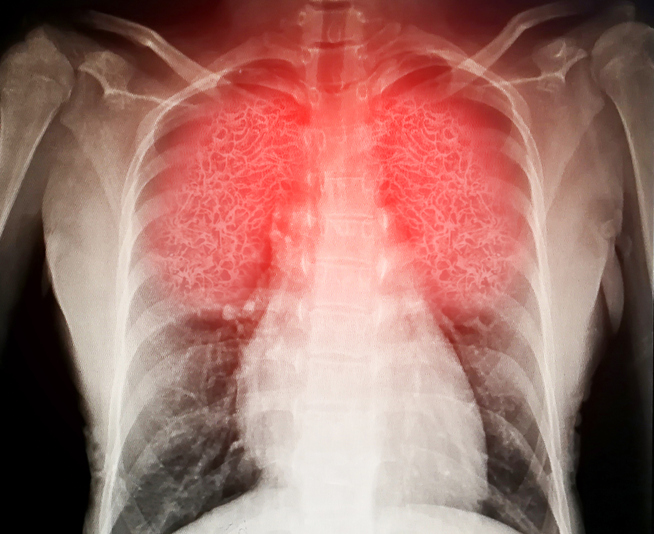
Pneumonia is a lung infection that causes inflammation and swelling in the air sacs (alveoli). These sacs can fill with fluid, making it harder to breathe and for oxygen to reach the bloodstream. It's usually caused by bacterial infections but can also be caused by viral infections, and sometimes fungi. This leaflet explains the types, causes, symptoms, treatment, and prevention of pneumonia.
by Dr Mohammad Sharif Razai, MRCGP
Frequently asked questions
What is the difference between "ongoing symptomatic COVID-19" and "post-COVID-19 syndrome"?
In the UK, both 'ongoing symptomatic COVID-19' and 'post-COVID-19 syndrome' are considered types of long COVID. The distinction lies in the duration of symptoms. Ongoing symptomatic COVID-19 refers to symptoms lasting from 4 weeks up to 12 weeks. Post-COVID-19 syndrome is diagnosed when symptoms persist for more than 12 weeks after the initial infection, provided they cannot be explained by another medical condition.
Can children and young people get long COVID?
Yes, children and young people can get long COVID. While overall symptoms can vary widely, some symptoms like shortness of breath, chest pains, coughing, palpitations, and pains on breathing are noted to be less common in younger individuals compared to adults with long COVID.
If I had a mild initial COVID-19 infection, can I still get long COVID?
Yes, having a mild initial COVID-19 infection does not prevent you from developing long COVID. Some individuals who had only mild symptoms in the acute phase of COVID-19 have gone on to develop long COVID, even without signs of organ damage during their initial illness.
Are there any treatments for long COVID that are still being researched?
Yes, various treatments for long COVID are currently under research. For example, the STIMULATE-ICP trial is investigating the use of a combination of antihistamines, blood-thinning drugs, and an anti-inflammatory drug. However, it's important to note that these drugs are not yet recommended for routine use and should only be given as part of a research study, as there isn't enough evidence to confirm their effectiveness or safety outside of a trial setting.
What is the role of post-COVID services in the NHS?
NHS 'post COVID' services are specialised clinics for individuals with long COVID, particularly if initial treatments haven't helped, symptoms are severe, or the diagnosis is unclear. These services typically involve multiple specialists and healthcare professionals who provide comprehensive physical, cognitive, and psychological assessments, arrange any necessary additional diagnostic tests, and offer support with treatment and rehabilitation.
Does vaccination against COVID-19 affect long COVID symptoms if I already have it?
Research suggests that receiving COVID-19 vaccines might lead to an improvement in long COVID symptoms for some people. However, in a small proportion of studies, some individuals have reported a worsening of symptoms after vaccination. While vaccination remains highly effective in preventing serious illness and death from COVID-19 infection, its impact on existing long COVID symptoms can vary.
Further reading and references
- Living with Covid19 – Second review - A dynamic review of the evidence around ongoing Covid19 (often called Long Covid); National Institute for Health and Care Research, March 2021
- Long covid - an update for primary care; British Medical Journal, September 2022
- Long COVID burden and risk factors in 10 UK longitudinal studies and electronic health records; Nature Communications, June 2022
- Long covid patients travel abroad for expensive and experimental “blood washing”; British Medical Journal, July 2022
- Symptoms, Trajectory, Inequalities and Management: Understanding Long-COVID to Address and Transform Existing Integrated Care Pathways; STIMULATE-ICP,
About the authorView full bio

Dr Doug McKechnie, MRCGP
Medical Writer
MA, MBBS, MSc, DRCOG, MRCP(UK), MRCGP(2021), FHEA
Dr Doug McKechnie is an NHS GP working in London. He works full-time clinically and is also the Deputy Lead for the Clinical and Professional Practice module at University College London Medical School.
About the reviewerView full bio

Dr Krishna Vakharia, MRCGP
Chief Medical Officer for Health, Optum UK
MBChB, MRCGP(2013), BMedSci (hons), DFSRH, DRCOG, PGDipDerm (Distn)
Dr Krishna Vakharia is an NHS GP. She is also a regular examiner for the postgraduate Diploma in Practical Dermatology at Cardiff University as well as being the Chief Medical Officer for health at Optum UK.
Article history
The information on this page is written and peer reviewed by qualified clinicians.
Article also available in English, German, Spanish, French, Italian, Portuguese, Hindi, Hebrew, Arabic, and Swedish.
Next review due: 28 Nov 2027
29 Nov 2022 | Originally published
Authored by:
Dr Doug McKechnie, MRCGPPeer reviewed by
Dr Krishna Vakharia, MRCGP
Join the conversation
Share your thoughts or experiences with others in our patient communities.

Ask, share, connect.
Browse discussions, ask questions, and share experiences across hundreds of health topics.

Feeling unwell?
Assess your symptoms online for free
Sign up to the Patient newsletter
Your weekly dose of clear, trustworthy health advice - written to help you feel informed, confident and in control.
By subscribing you accept our Privacy Policy. You can unsubscribe at any time. We never sell your data.
More in chest and lungs
- Angina
- Aspiration pneumonia
- Asthma Control Test (ACT)
- Breathing difficulties in children
- Breathlessness and difficulty breathing
- Brittle asthma
- Bronchiolitis
- Chest pain
- Chronic persistent cough in adults
- Costochondritis
- Cough medicines
- COVID-19
- Epiglottitis
- Legionnaires' disease
- Mesothelioma
- Microvascular angina
- Mucolytics
- Oral bronchodilators
- Pulmonary oedema
- Respiratory syncytial virus (RSV)